Natur&Foto - Magazine for nature and photography enthusiasts
Date
4. May
- 15. May 2026
Place
Galápagos Islands,
Ecuador
Difficulty
Moderate
Spots
0
Price
8800 USD
In the footsteps of Darwin on the Galápagos Islands
Join Natur & Foto on an unforgettable journey around the iconic Galápagos Islands—following in the footsteps of Charles Darwin. We have chartered a private boat exclusively for Natur & Foto, accommodating 14 photographers.
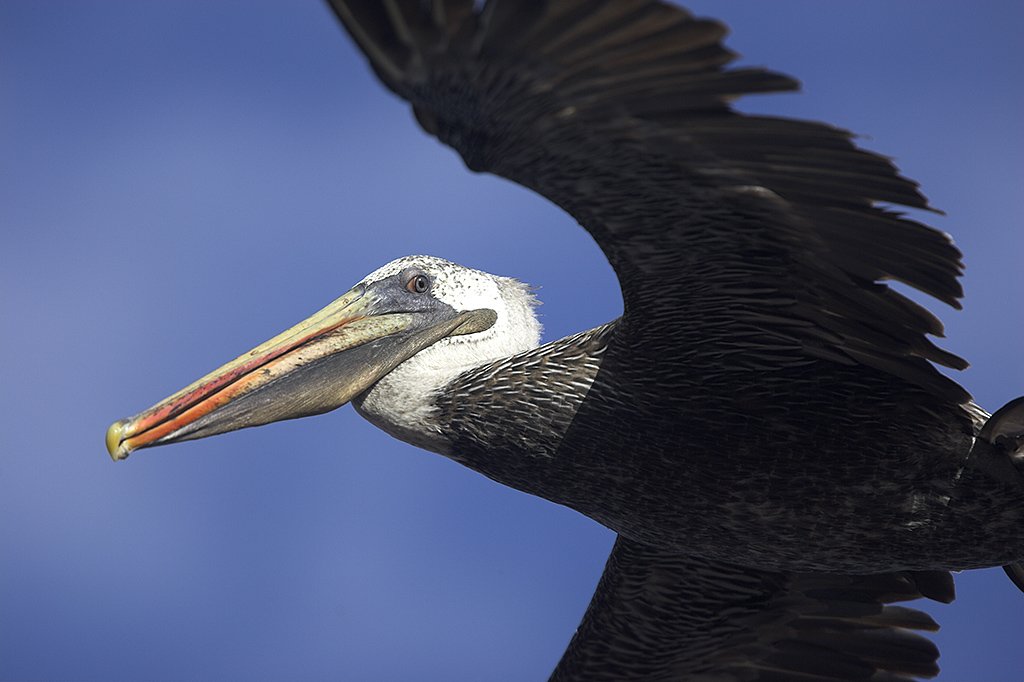
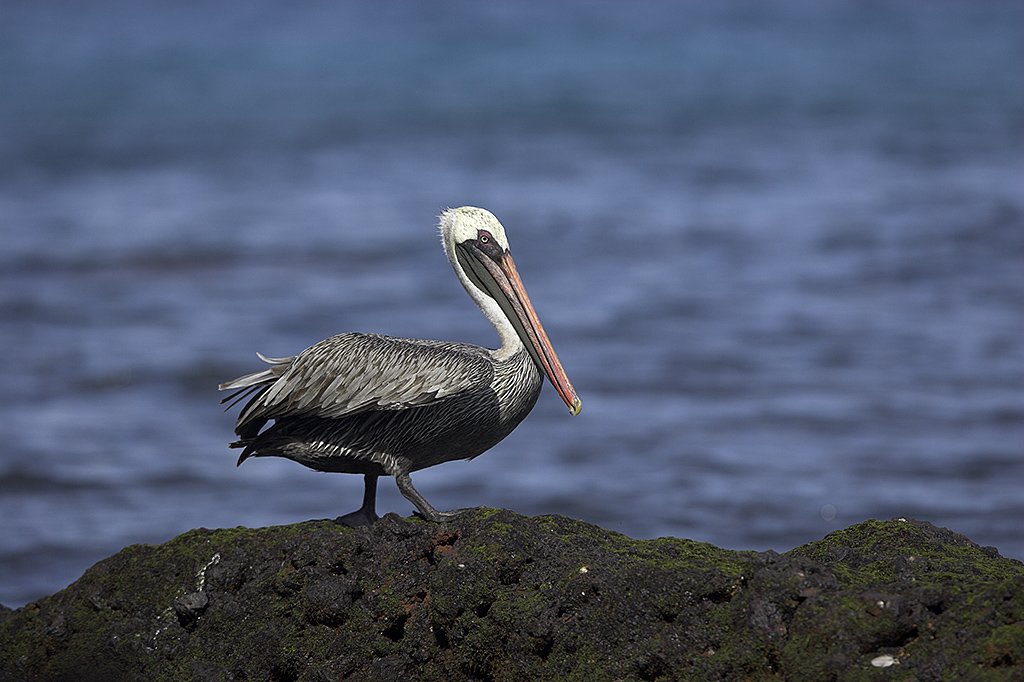
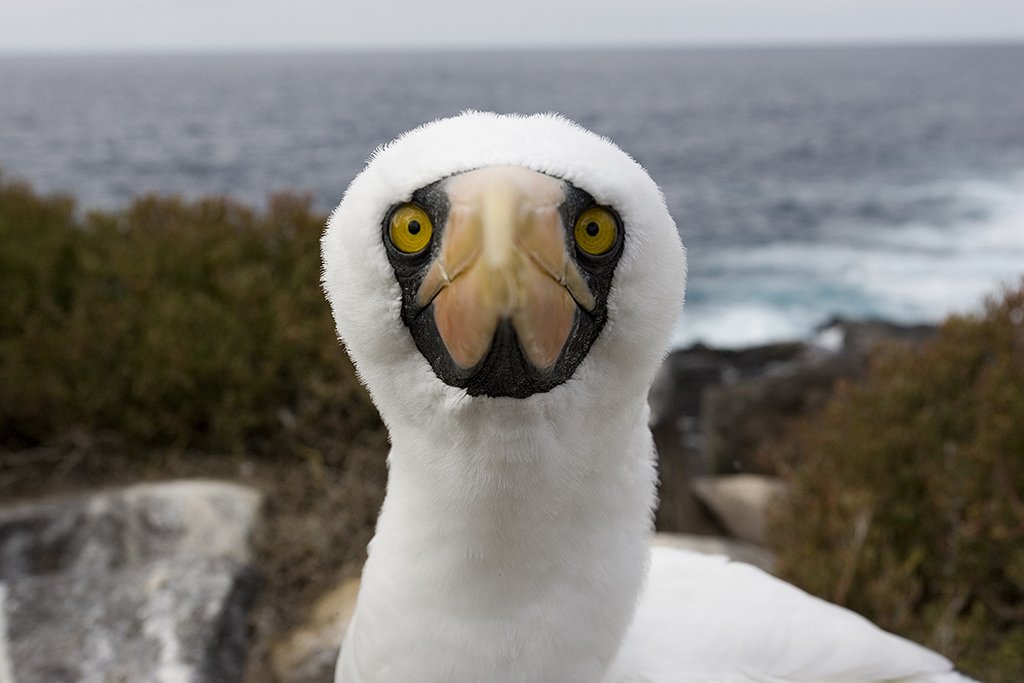
Among the exciting species you can expect to photograph are the Galápagos albatross, Galápagos penguin, Galápagos cormorant, marine iguana, land iguana, giant tortoise, blue-footed booby, masked booby, frigatebird, tropical birds, and many more.
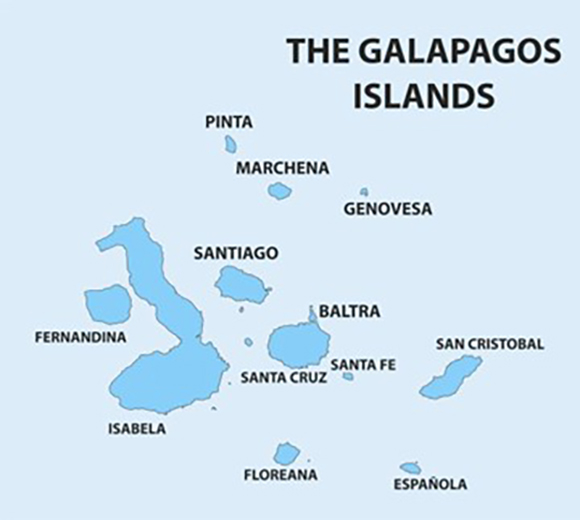
The Galápagos Islands belong to Ecuador but are located approximately 1,000 kilometers out in the Pacific Ocean. The islands cover roughly 8,000 km² and are home to around 33,000 inhabitants. The 15 main islands and numerous smaller islets form a paradise for wildlife and plants. In 1978, the archipelago was designated a UNESCO World Heritage Site.
The islands were first discovered in 1535 by the Dominican friar Fray Tomás de Berlanga, Bishop of Panama. His discovery was accidental—he was en route to Peru to mediate between Francisco Pizarro and his lieutenants after the conquest of the Inca Empire. Calm winds caused his ship to drift to the islands. Berlanga described them as inhospitable, desert-like, with giant tortoises, water-dwelling iguanas, flightless birds, and tame wildlife. The name “Galápagos” comes from the Spanish word galápago, meaning tortoise. The islands are particularly known for their giant tortoises and are also called Las Islas Encantadas, the Enchanted Islands.
It was, however, Charles Darwin who made the islands famous worldwide. In 1835, he spent five weeks studying the geology and biology of the islands, and some of his observations later contributed to his theory of evolution. Notably, he observed that each island had its own unique species of finch—later called Darwin’s finches. He concluded that these finches had evolved into distinct species after an ancestral population colonized the islands from the mainland. The shape of their beaks varied from island to island.
The islands are strictly protected, but boat trips to the various islands are possible. Visitor numbers, landing times, and other regulations are tightly controlled to protect the unique wildlife—a policy that has become even stricter over time.
In 1925–26, a small group of Norwegians emigrated to the Galápagos and established a tiny colony. They arrived on an old cement ship, the Albemarle. Imaginative newspaper reports in Norway promised free land and a carefree life, but the settlers instead faced water shortages and great hardship. A canning factory was started, but with Ecuador over 1,000 km away, the factory was never commercially successful.
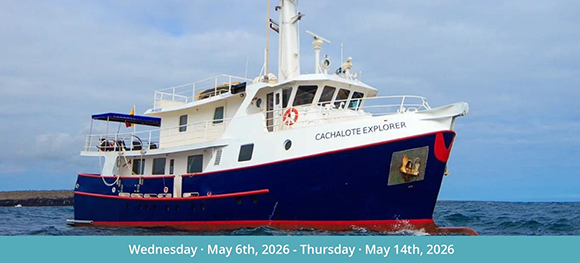
Typically, we plan landings early in the morning and late in the afternoon. During the middle of the day, there will be opportunities for snorkeling and exploring underwater life. At night, we move to a new destination. Our vessel, the Cachalote Explorer, accommodates 16 passengers and is comfortable for extended trips. More information about the boat can be found here: Cachalote Explorer
.
Program
Monday, May 4: Flight from Oslo to Quito, the capital of Ecuador.
Tuesday, May 5:
Excursion to see hummingbirds.
Wednesday, May 6:
Domestic flight from Quito to Baltra.
First landing on South Plaza Island.
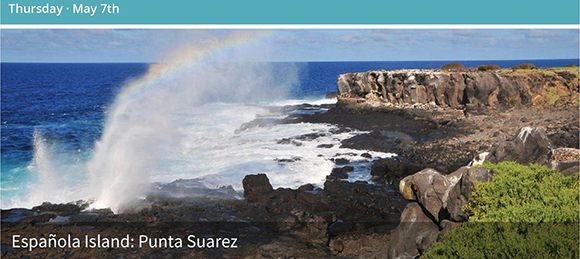
Thursday, May 7 – Española Island: Punta Suarez
Gardner Bay
Osborn Islet
Friday, May 8 – Floreana Island: Punta Cormorant
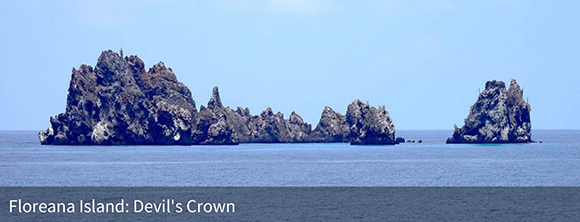
Devil’s Crown
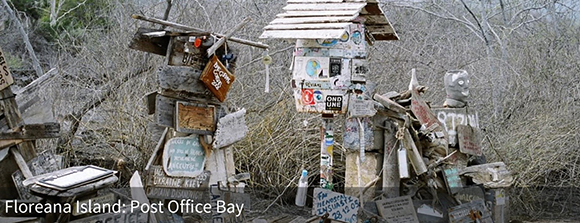
Post Office Bay
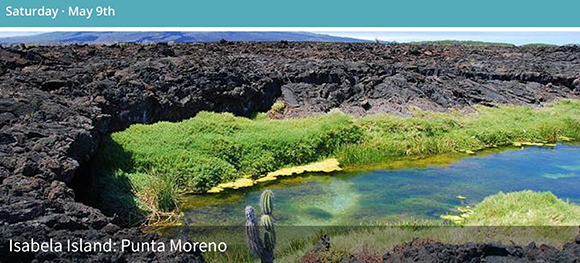
Saturday, May 9 – Isabela Island: Punta Moreno
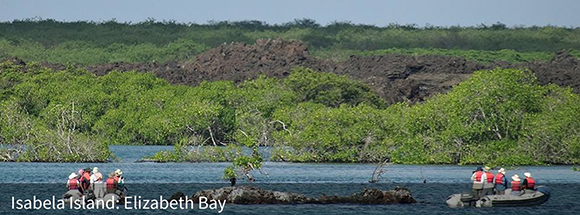
Elizabeth Bay
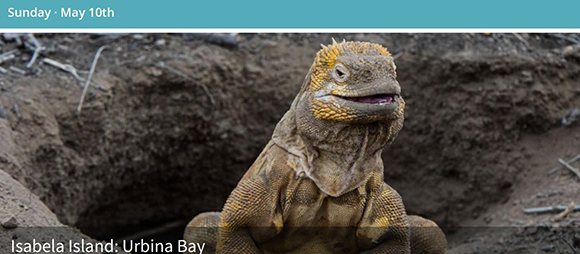
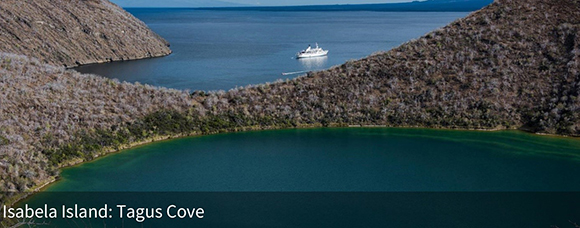
Sunday, May 10 – Isabela Island: Urbina Bay
Tagus Cove
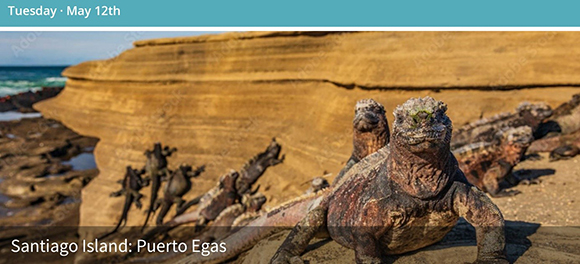
Tuesday, May 12 – Santiago Island: Puerto Egas
Bartolome Island
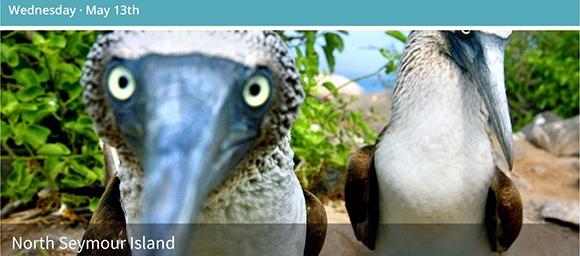
Wednesday, May 13: North Seymour Islan
Then landing on Santa Cruz and bus transfer to the highlands.
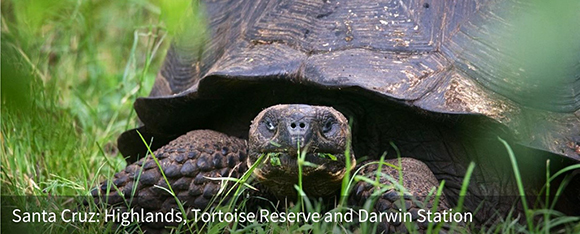
Visit to the Tortoise Reserve and Darwin Station.
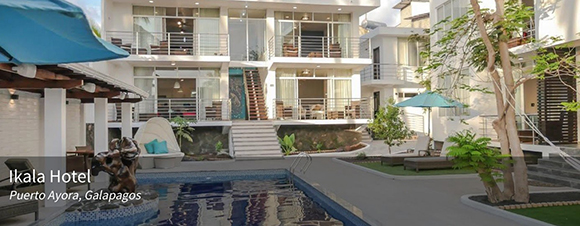
Overnight at Ikala Hotel (1 night)
Thursday, May 14:
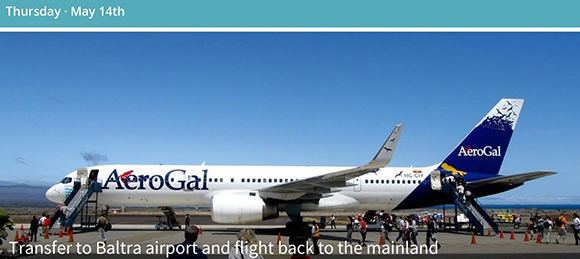
Transfer to Baltra Airport and flight back to Quito around 10:00 AM.
Flight back to Norway.
Friday, May 15:
Arrival home in Norway.
Detailed program
Fra fastlandet til Baltra og deretter South Plaza Island på ettermiddagen.
From the mainland to Baltra, and then onward to South Plaza Island in the afternoon.
Upon arrival at the airport for your flight to the Galápagos, we will be met by the ship’s representative (he/she will have a sign with your name or the ship’s name). They will assist us with the check-in formalities.
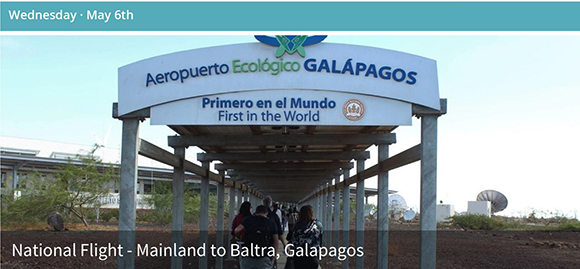
Upon arrival in the Galápagos, we will go through the usual procedures (paying the park entrance fee if it hasn’t been pre-paid, and having carry-on luggage inspected for seeds or other foreign materials that are not allowed to continue). After collecting our luggage, we will meet the guide who will escort us to the transport that takes us to our ship.
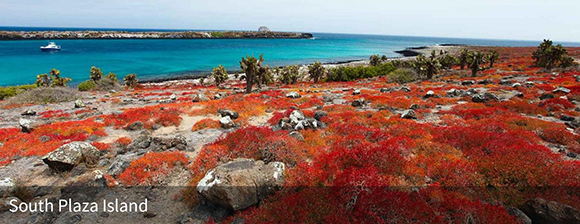
The first landing will be on South Plaza Island.
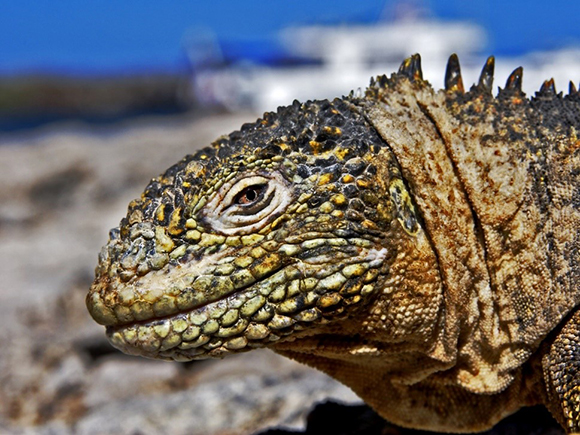
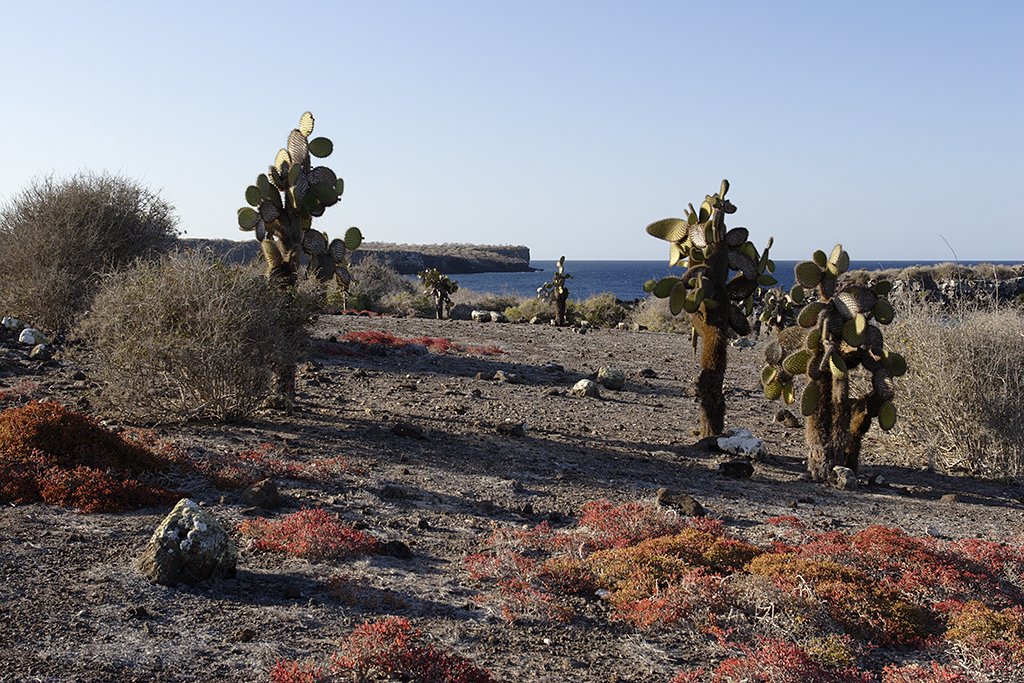
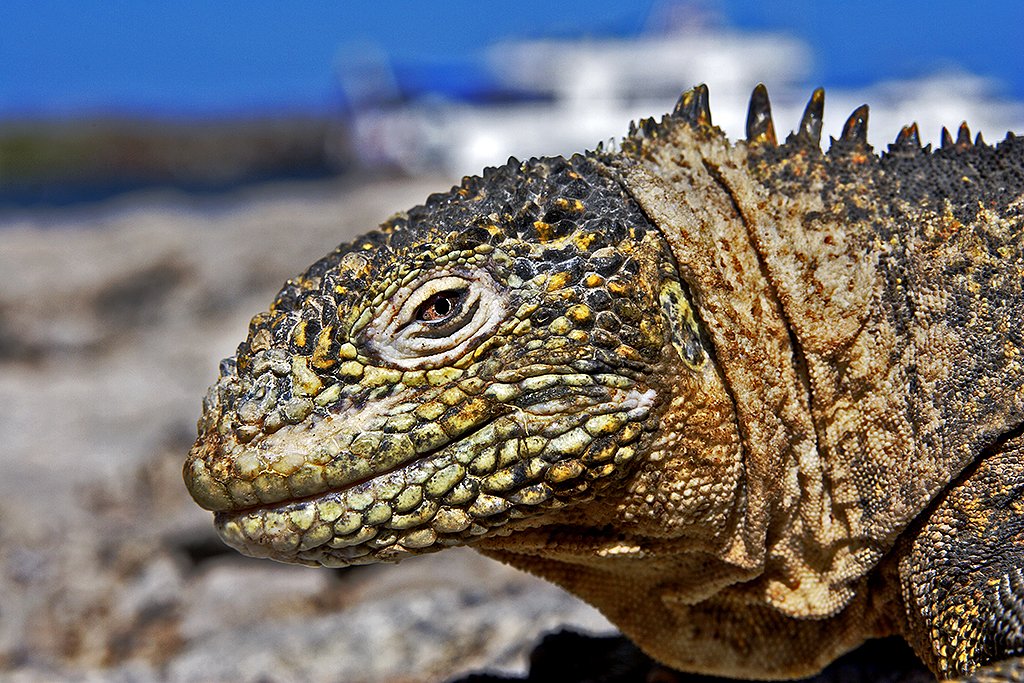
We will land dry on a small pier, where we may be greeted by sea lions. The trail leads through a forest of cacti with yellow flowers. Here we will encounter the land iguana. It is large, yellowish in color, with a sheepish-looking grin, and moves in a wide-legged, almost dragon-like gait. These reptiles can reach up to one meter in length and weigh as much as 13 kg.
Today, there are between 5,000 and 10,000 land iguanas on the Galápagos Islands, but their numbers were likely much higher in Darwin’s time. Darwin wrote that there were so many holes in the ground made by the iguanas that he couldn’t find a suitable spot to pitch his tent. Introduced animals—dogs, pigs, cats, and rats—as well as human activity, have caused the population of this yellow-brown lizard to decline dramatically.
Land iguana. Photo: Tom Schandy
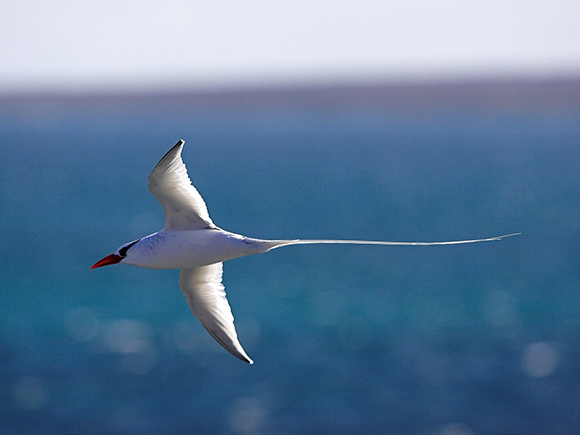
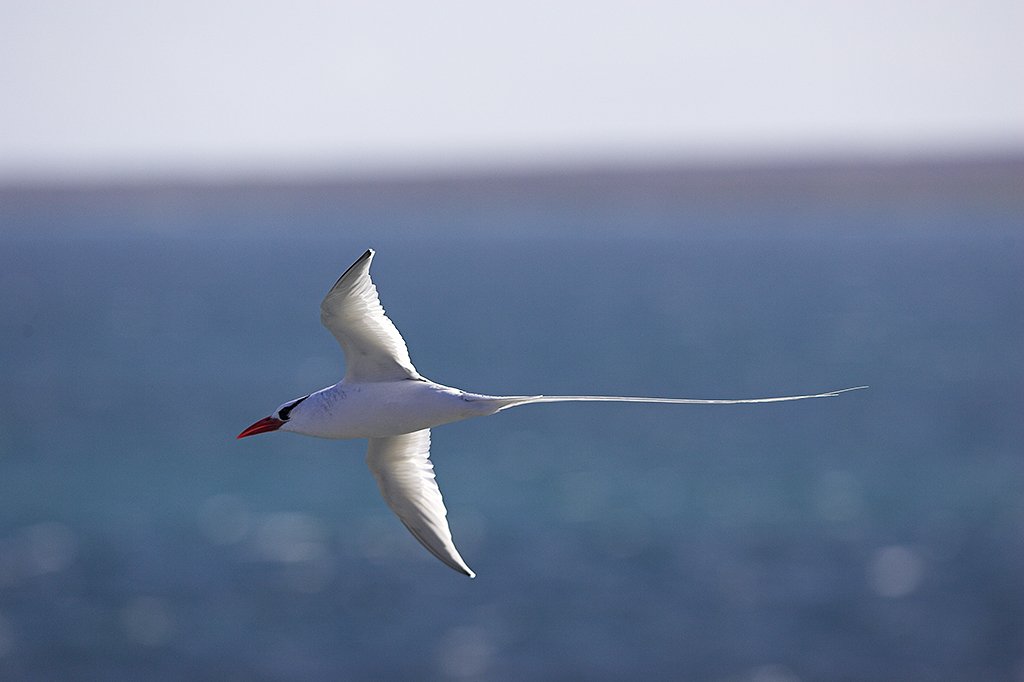
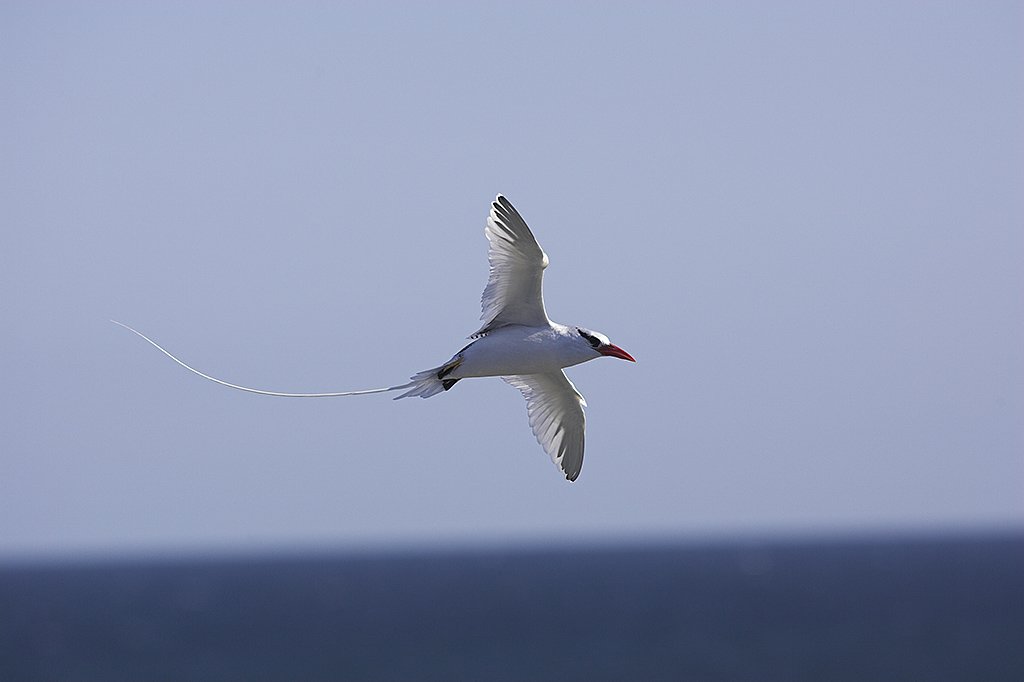
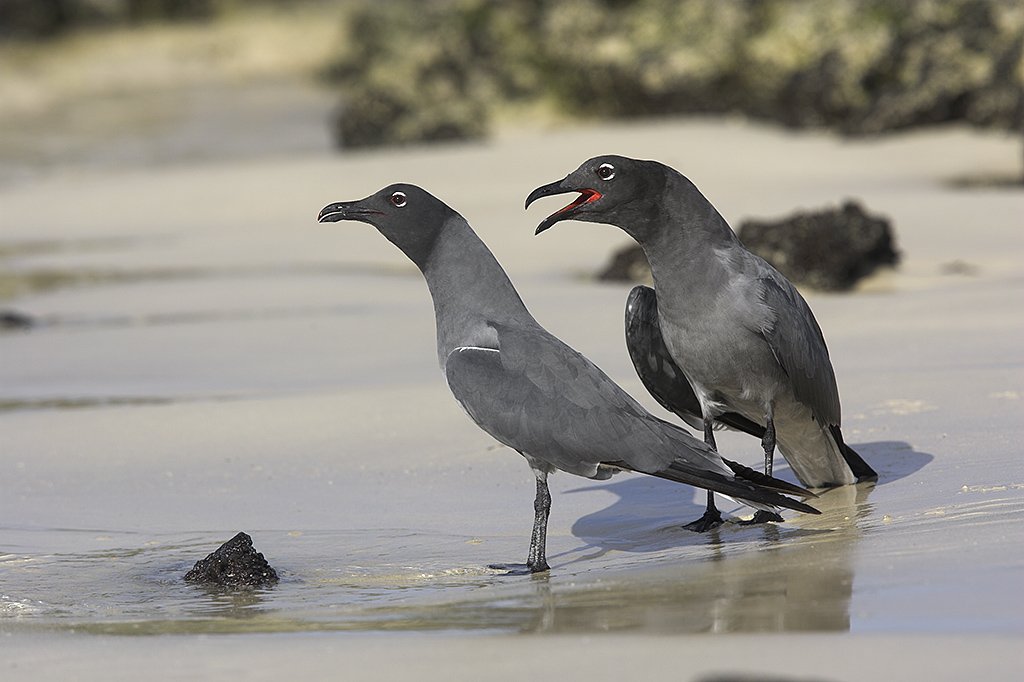
After walking through extensive areas of salt-tolerant, red-orange vegetation (which turns green after rainfall), we approach the sea cliffs. Red-billed tropicbirds, with their long white tails, and Galápagos shearwaters cry overhead as they battle the strong winds to reach their nests in the cracks along the overhanging ledges. We also see blue-footed boobies and masked boobies, as well as swallow-tailed gulls. If we are lucky, we may spot mullets feeding at the water’s surface.
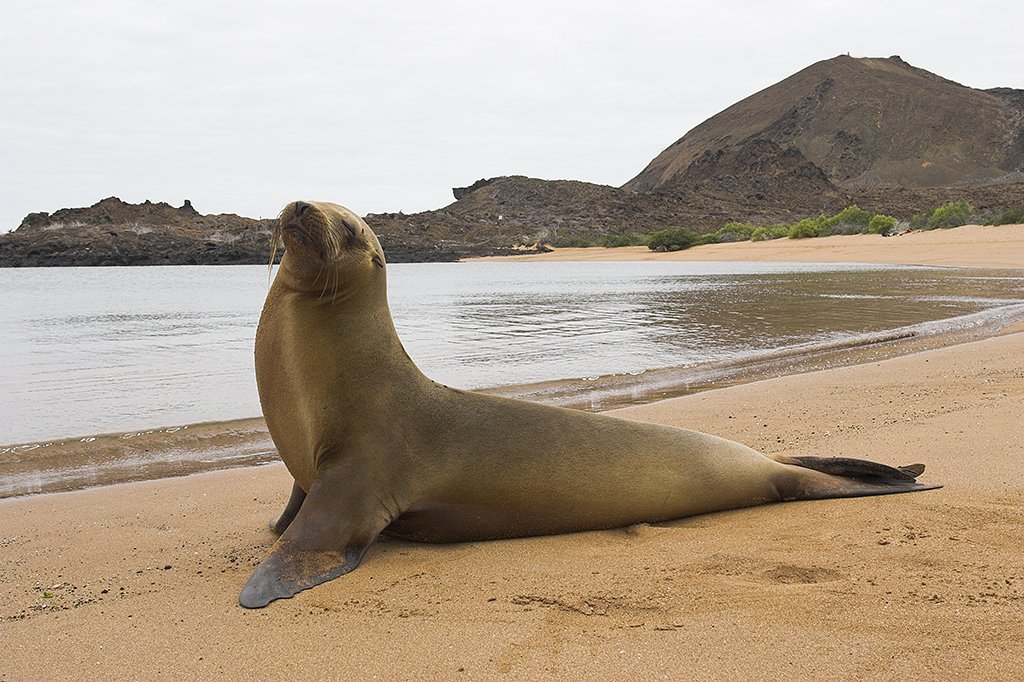
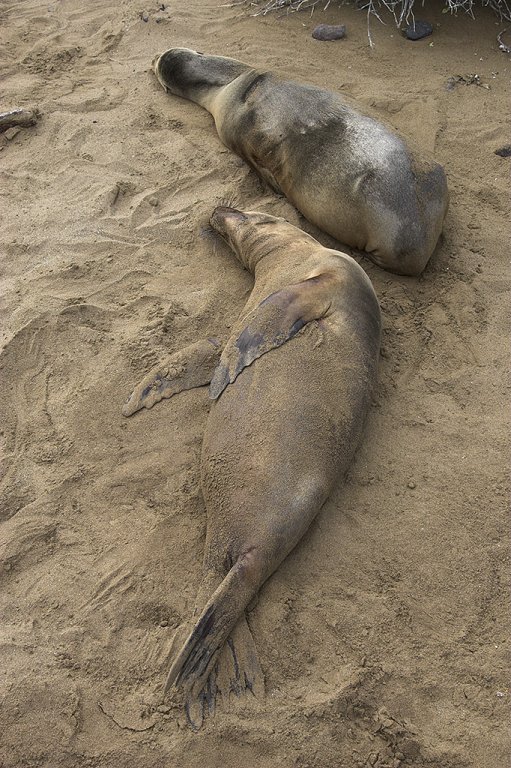
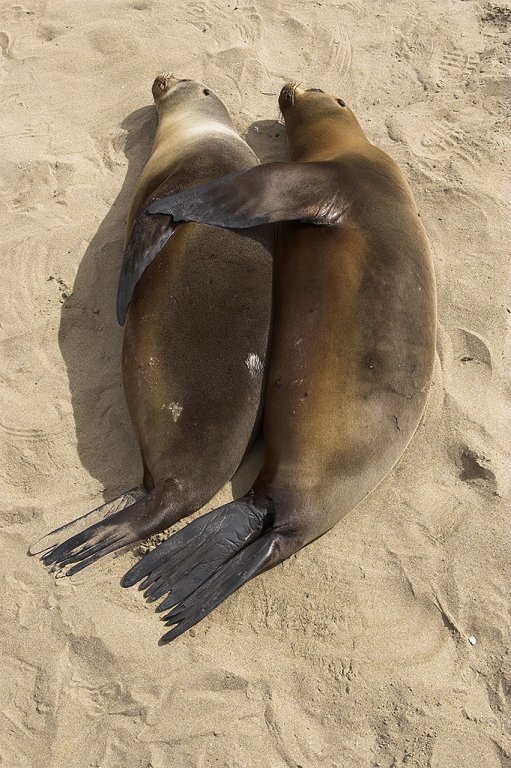
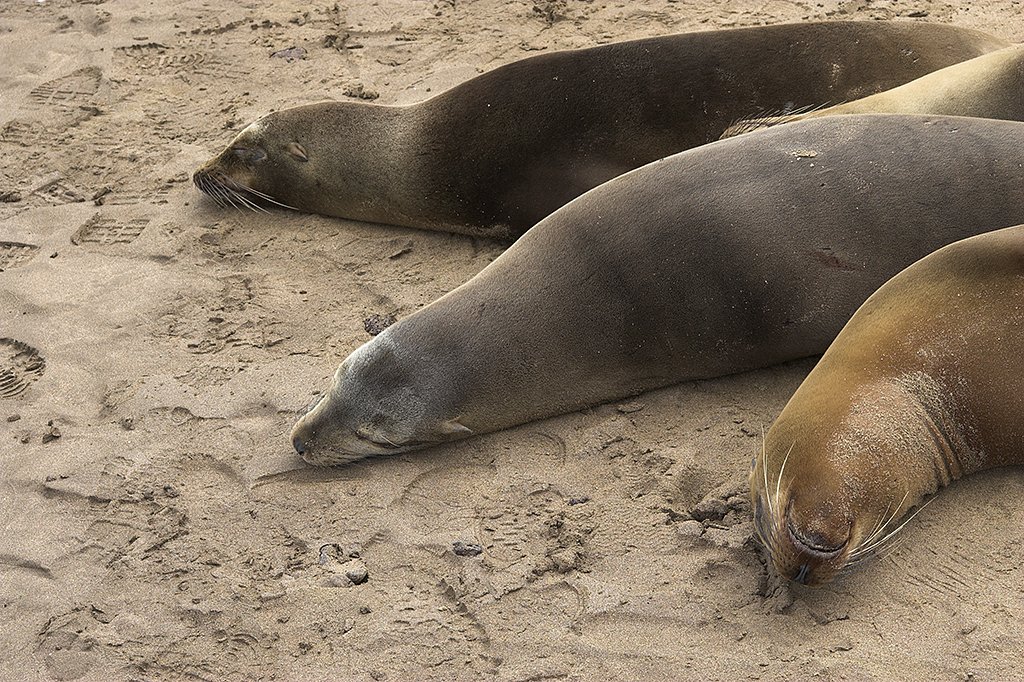
At the end of the cliffside walk, we arrive at a colony of Galápagos sea lions lounging in the sun.
Red-billed Tropicbird. Photo: Tom Schandy
This day is spent on Española Island, at the southern end of the archipelago. When we land at Punta Suarez on the western tip of the island, we may see young sea lions surfing the waves, while colorful marine iguanas bask on the rocks. Blue-footed boobies and masked boobies are unusually tame here, allowing us to photograph them with a wide-angle lens.
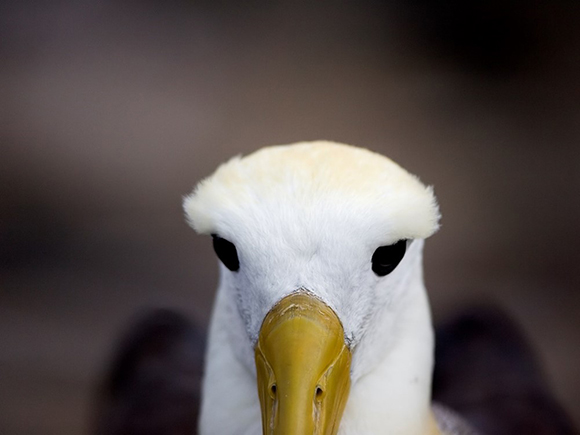
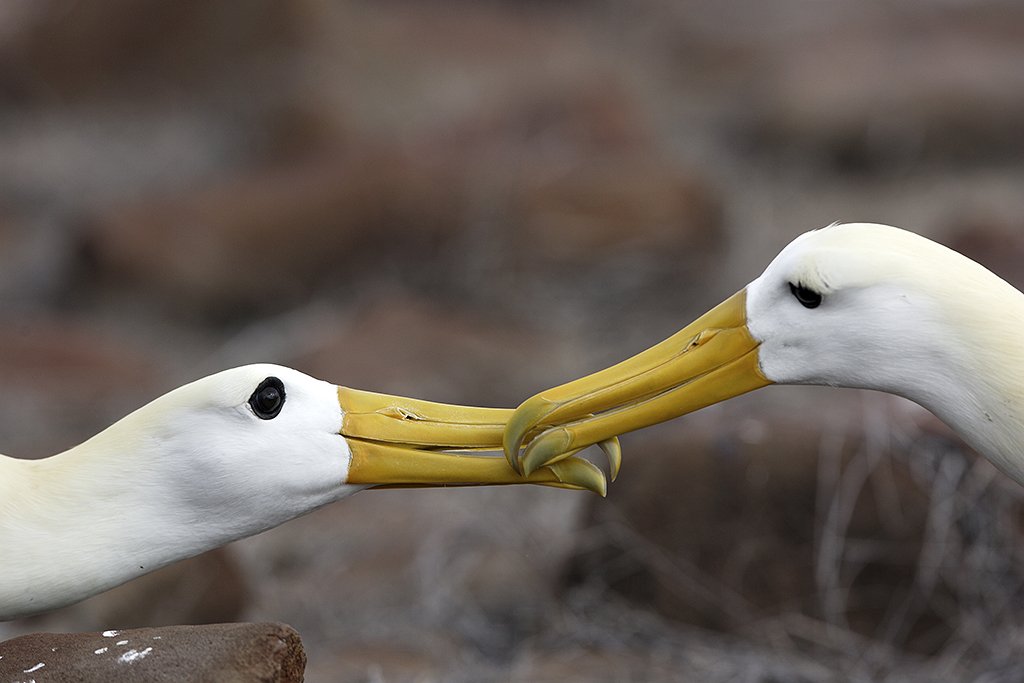
The Galápagos albatross is one of the most remarkable birds in the Galápagos, as all 12,000 pairs in the world breed on this small island. We may even witness the albatross courtship dance—beak to beak. This ritual is crucial for bonding the pairs, as albatrosses are faithful to each other for life. Young birds dance over the ocean for several years before attempting to breed.
Galápagos Albatross. Photo: Tom Schandy
Her møter vi også for første gang haviguaner som soler seg på klippene. De ser skumle ut, men er harmløse. De finnes bare på Galapagosøyene, og det er den eneste øgla som henter sin føde i havet. Men før dagens fødeinntak, må iguanene varmes opp etter en kjølig natt. Derfor ligger de rett ut i flere timer og suger til seg all den solvarme de kan.
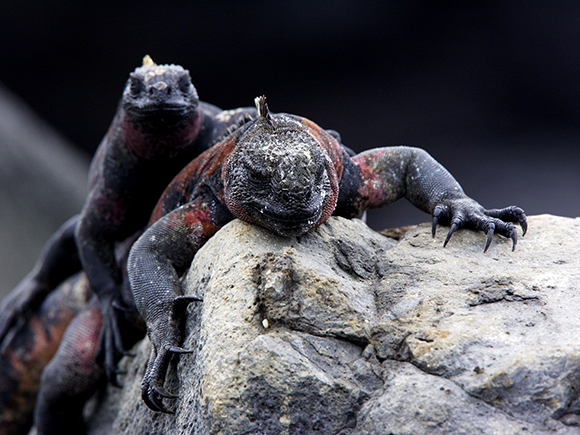
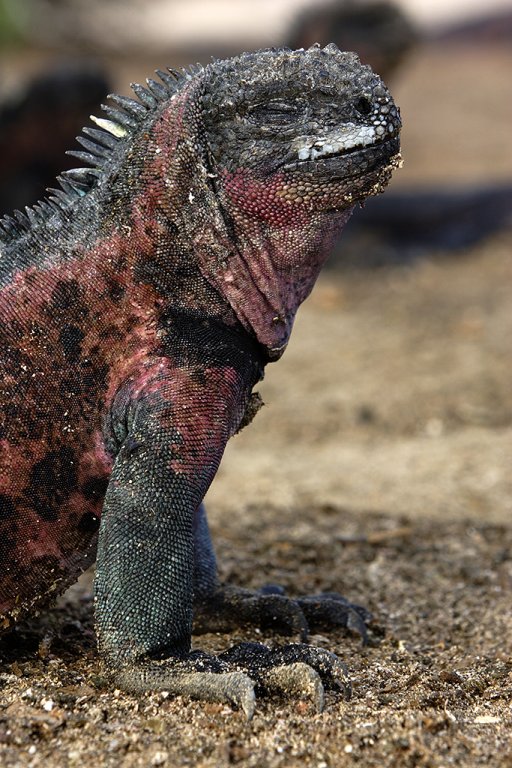
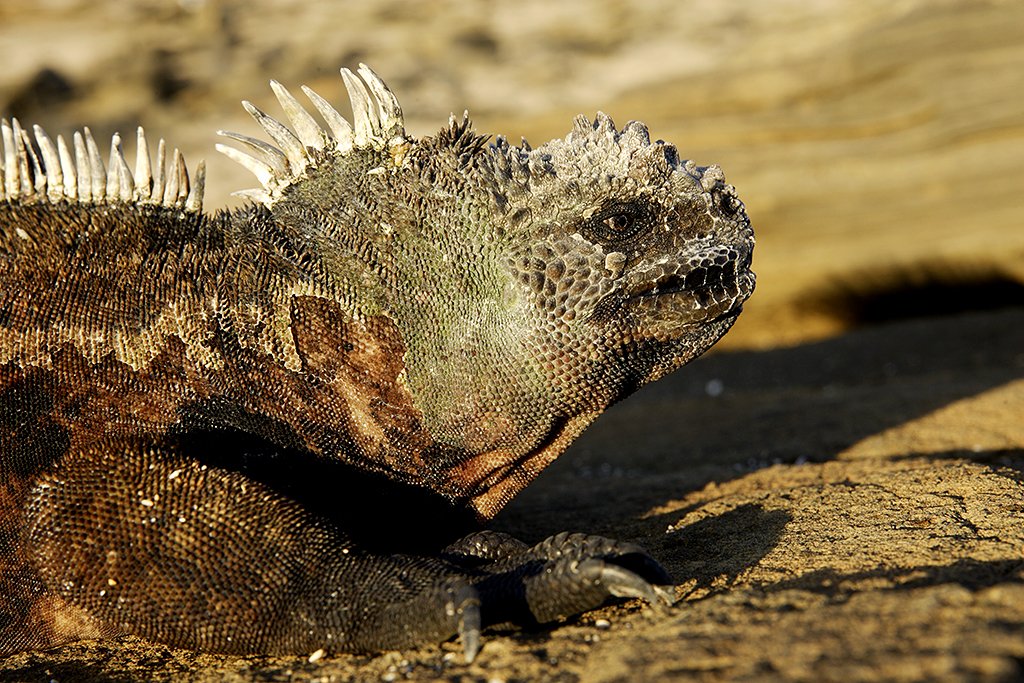
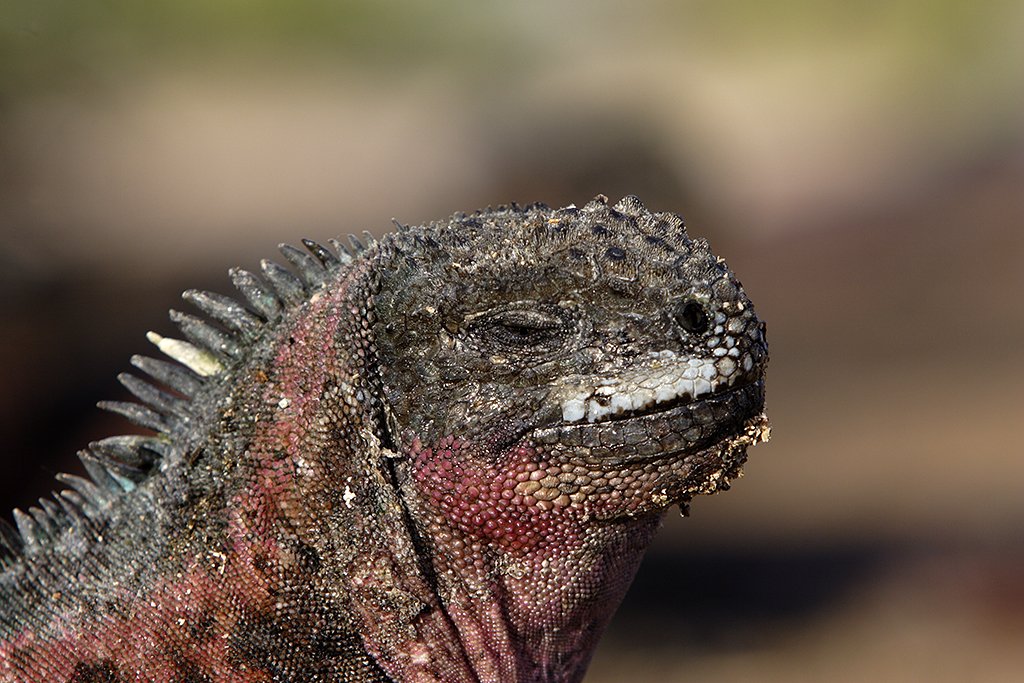
Here we also encounter marine iguanas for the first time, basking on the rocks. They may look intimidating, but they are harmless. They are found only on the Galápagos Islands and are the only lizards that feed in the sea. But before their daily feeding, the iguanas need to warm up after a cool night. They lie fully stretched out for several hours, absorbing as much solar heat as possible.
Once their body temperature reaches the optimal reptile temperature of 35.5°C, they take their first dive of the day. The iguanas plunge into the surf and disappear underwater. They can dive up to 10 meters, using their strong claws to hold onto the rocks while grazing on marine algae. The water is cold due to the Humboldt Current, so to conserve energy, their heart rate is halved while diving. After returning to land, they lie horizontally again to warm up after the cold swim.
There are seven subspecies of marine iguanas on the different islands. On some islands, they reach only 60–70 cm in length, while on others they can grow up to 1.5 meters and weigh 13 kg. On many islands, they are completely dark, but here on Española Island, they are reddish. With a total population of 200,000–300,000 individuals, you are guaranteed to see them.
Marine Iguanas. Photo: Tom Schandy.
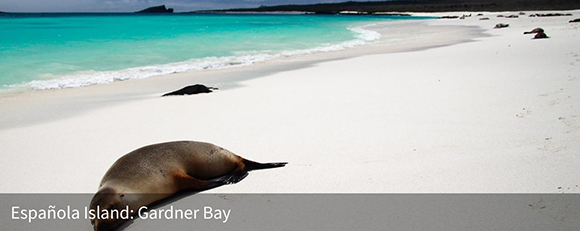
In the afternoon, we land at Gardner Bay.
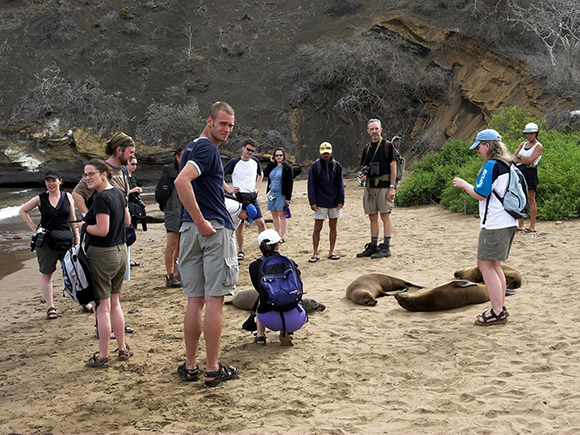
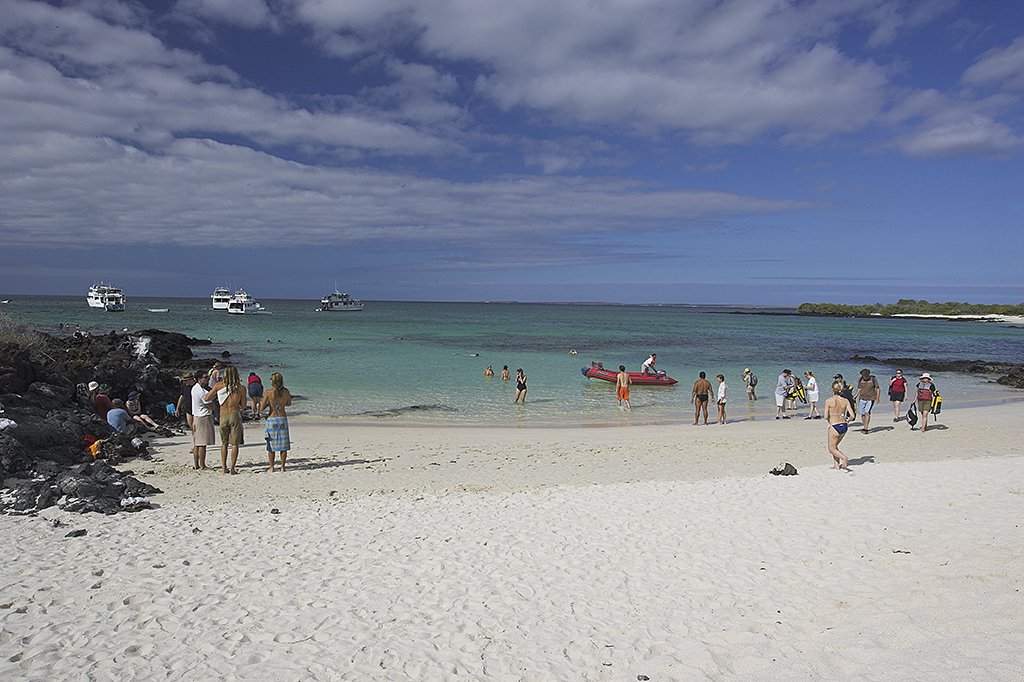
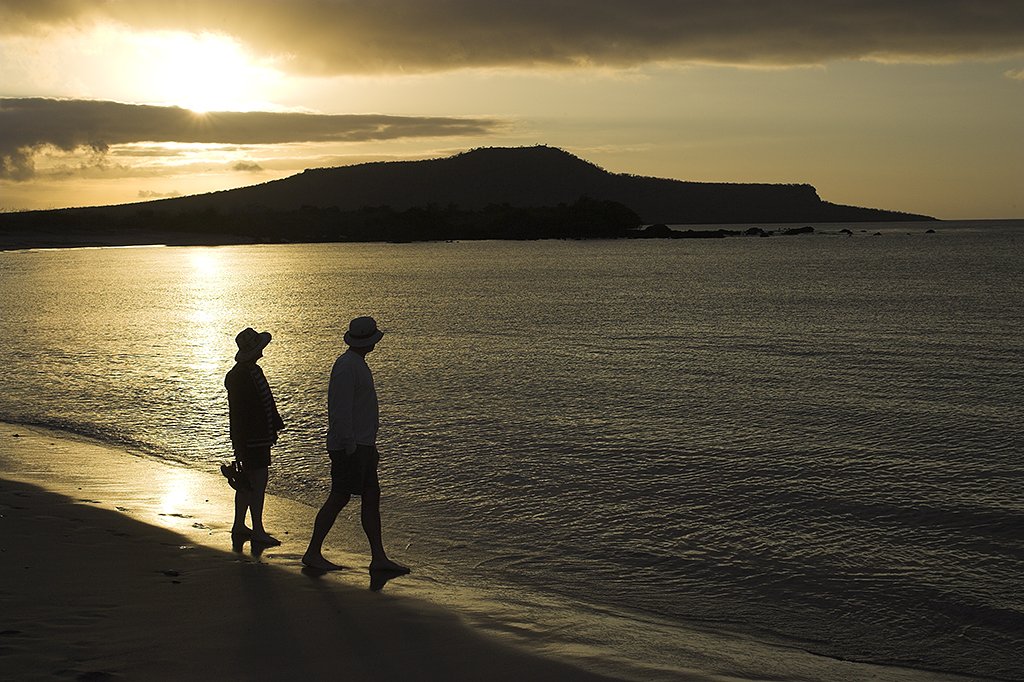
With its expansive white sandy beach—one of the longest in the Galápagos—Gardner Bay is popular with both tourists and sea lions. There are no marked trails here, so the main activities are walking along the beach, snorkeling, and swimming. Three species of Darwin’s finches can be found here, as well as the carnivorous Española mockingbird.
Galápagos sea lions and tourists. Photo: Tom Schandy.
We have three different stops on Floreana Island.
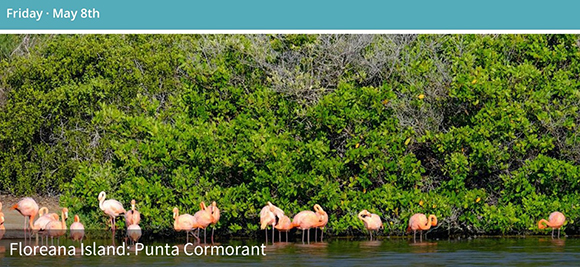
At Punta Cormorant, we land on a beautiful beach.
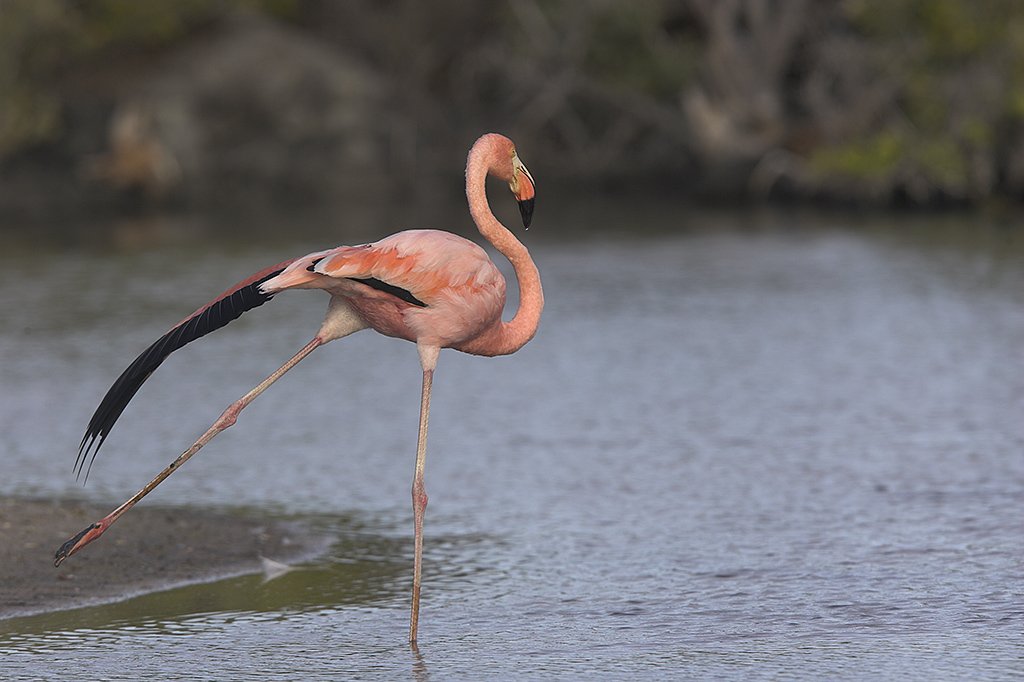
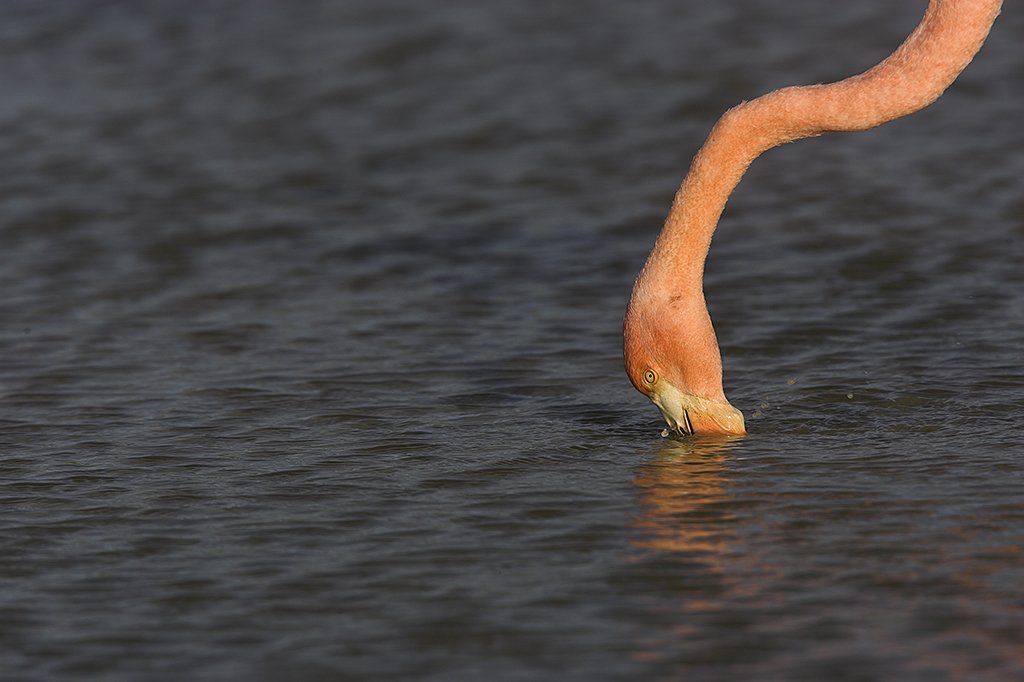
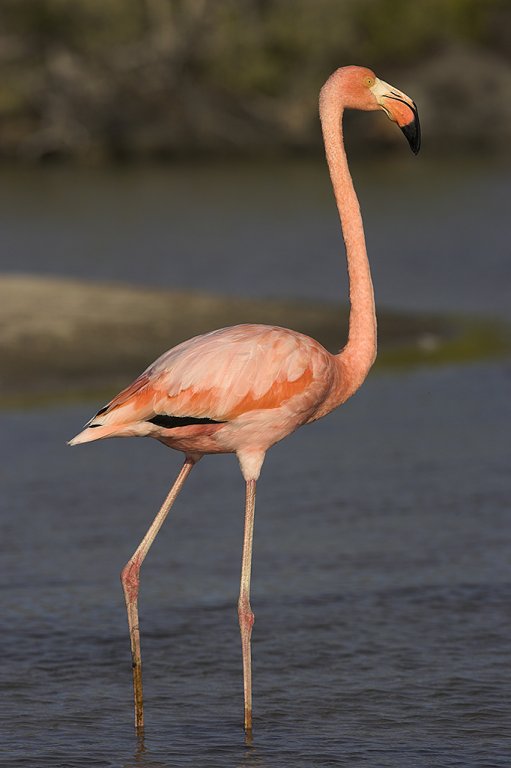
We explore a brackish lagoon where elegant red flamingos wade through the water, filtering out tiny crustaceans. You may also see stingrays in the shallows. Many other bird species can also be observed here.
Devil’s Crown is a volcanic crater eroded by the waves. The inside of the “crown” provides a perfect environment for corals, which attract a variety of marine life, making it one of the best snorkeling spots in the Galápagos. Here, you may see sea lions, sharks, stingrays, tropical fish, eels, and sea turtles.
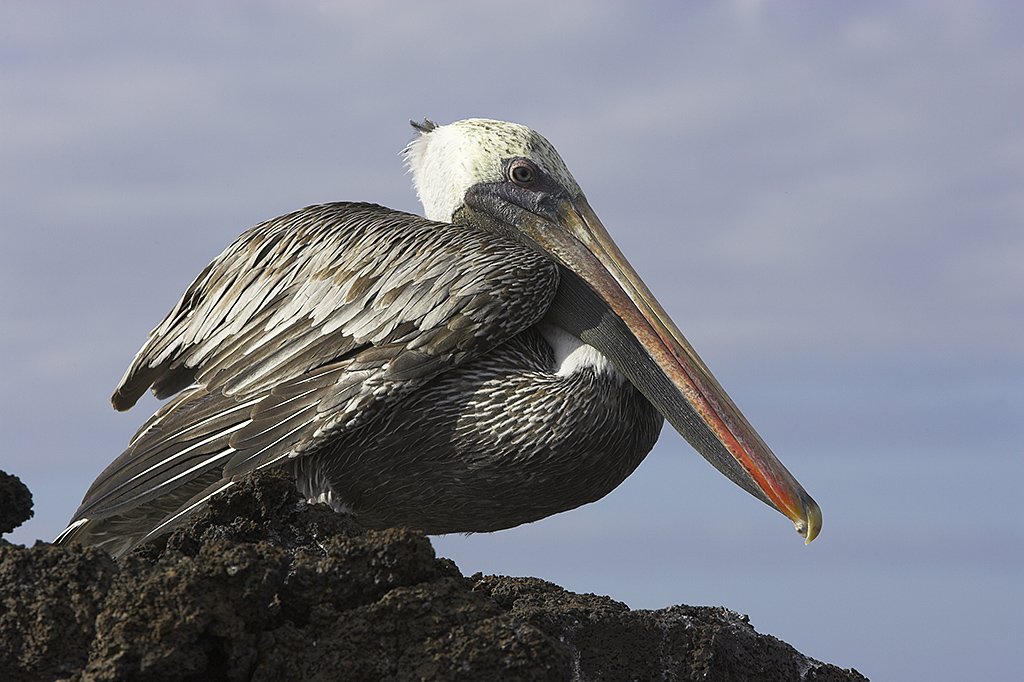
The outside of the crown serves as a sanctuary for birds, including boobies, pelicans, frigatebirds, and tropicbirds. No landing is allowed here.
In the 18th century, a group of whalers set up a wooden box to collect mail at this site, now known as Post Office Bay.
Remember to bring your postcards so they can be sent the old-fashioned way. A trail behind the mailboxes leads to a cave, which is actually a lava tube running down to the sea.
Landing: Wet
Difficulty level: Easy
We have moved to the large **Isabela Island** on the west coast. Here, we land at **Punta Moreno**.
The trail crosses a vast **pahoehoe lava flow**, dotted with several green lagoons where **flamingos, stilts,** and other waterbirds can be seen. This young lava flow is in the process of being colonized by several species of interesting pioneer plants.
At Elizabeth Bay, we are not allowed to go ashore, so we explore the bay by dinghy. There are opportunities to see turtles and sharks.
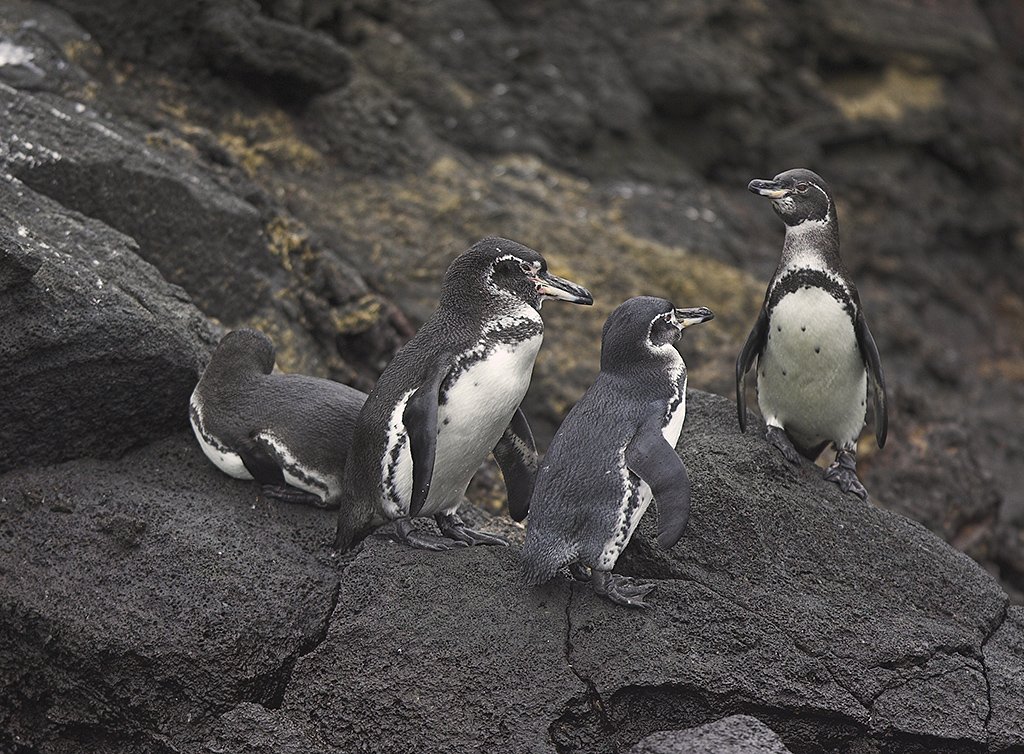
Here we also encounter the flightless cormorant, which is found only on the west coast of the Galápagos Islands. Additionally, the Galápagos penguin lives here—the only penguin species that occurs at the equator and exclusively in the Galápagos.
We start the day at Urbina Bay on Isabela Island.
A trail leads us away from the beach and into the island’s dry zone. Here, we may encounter large land iguanas and marine iguanas, as well as giant tortoises. Closer to the water, we can again see the flightless cormorant.
One of the most unique features of the landscape here is a long stretch of coral reef lifted into the air as a result of an earthquake in 1954.
Tagus Cove was visited by pirates and whalers, and some even carved their names into the cliffs along the coast.
A short but steep hike leads to Darwin Lake, a saltwater lake located in a crater. This is a great spot to observe a variety of land birds. A dinghy ride along the cliffs offers opportunities to see flightless cormorants, Galápagos penguins, and Galápagos sea lions.
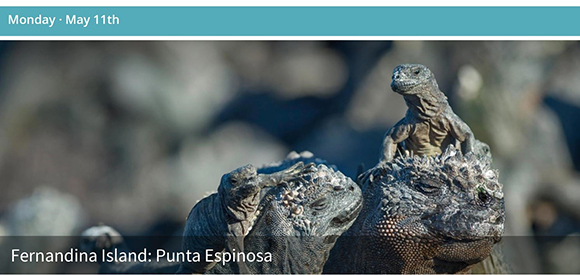
We have moved to Fernandina Island, where we land at Punta Espinosa.
Visiting Fernandina is like seeing the Earth when it was brand new. It is the westernmost of the Galápagos Islands—and the youngest and most volcanically active, with eruptions from its single volcano, La Cumbre, occurring every few years. Lava fields stretch from the base of La Cumbre all the way to the sea, clearly displaying the rope-like pahoehoe lava formations. Fernandina is literally “land in the making.”
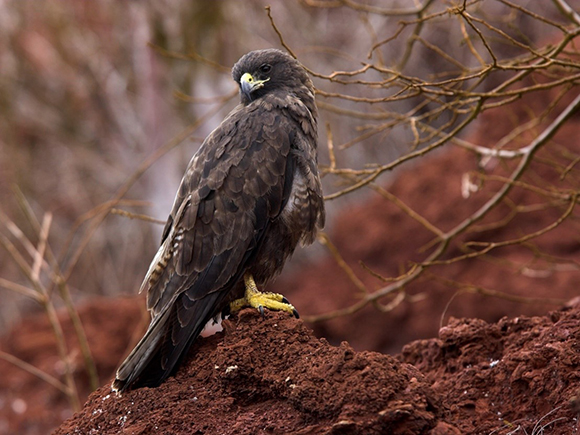
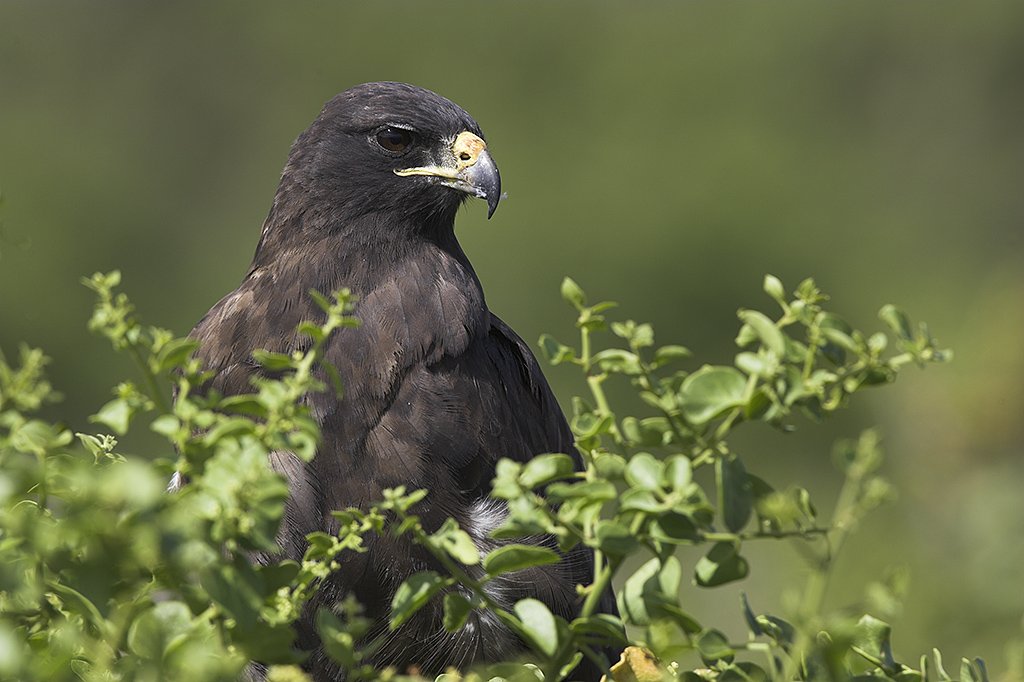
Here we can observe some of the most unique Galápagos species: flightless cormorants, Galápagos hawks, Galápagos penguins, and the archipelago’s largest colony of marine iguanas. In 1994, Punta Espinosa was uplifted two to three feet due to tectonic movements, making the landing pier inaccessible except at high tide.
Galápagos Hawk. Photo: Tom Schandy
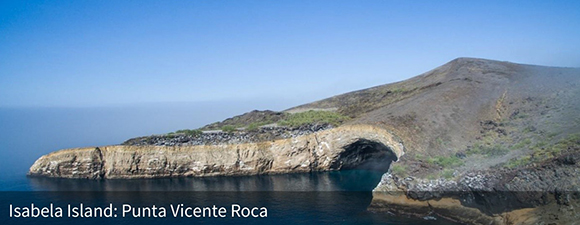
In the afternoon, we take a dinghy tour at Punta Vicente Roca, located on the northwestern tip of Isabela Island. This area is the remnant of an ancient volcano, featuring turquoise coves in a bay well protected from the ocean swell. Blue-footed boobies and masked boobies perch on the cliffs, while flightless cormorants can be seen along the shoreline.
After a long night at sea, we arrive at Santiago Island and land on the western end at Puerto Egas.
Landing: Wet
Difficulty: Easy/Moderate
Here, there are two possible walks. The first leads to a cave with fur seals. The second trail leads to Salt Mine Volcano, a small crater containing a lagoon that occasionally floods seasonally, where flamingos and Galápagos hawks can sometimes be seen. A salt mine was active here during the 1920s and 1960s. Darwin spent much of his time in the Galápagos not far from this location.
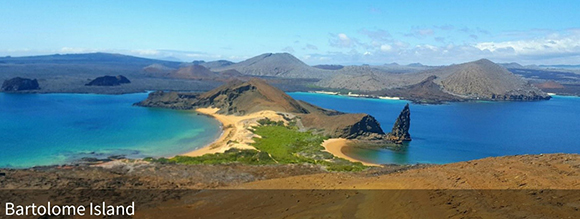
In the afternoon, we visit Bartolomé Island.
There are two main attractions here:
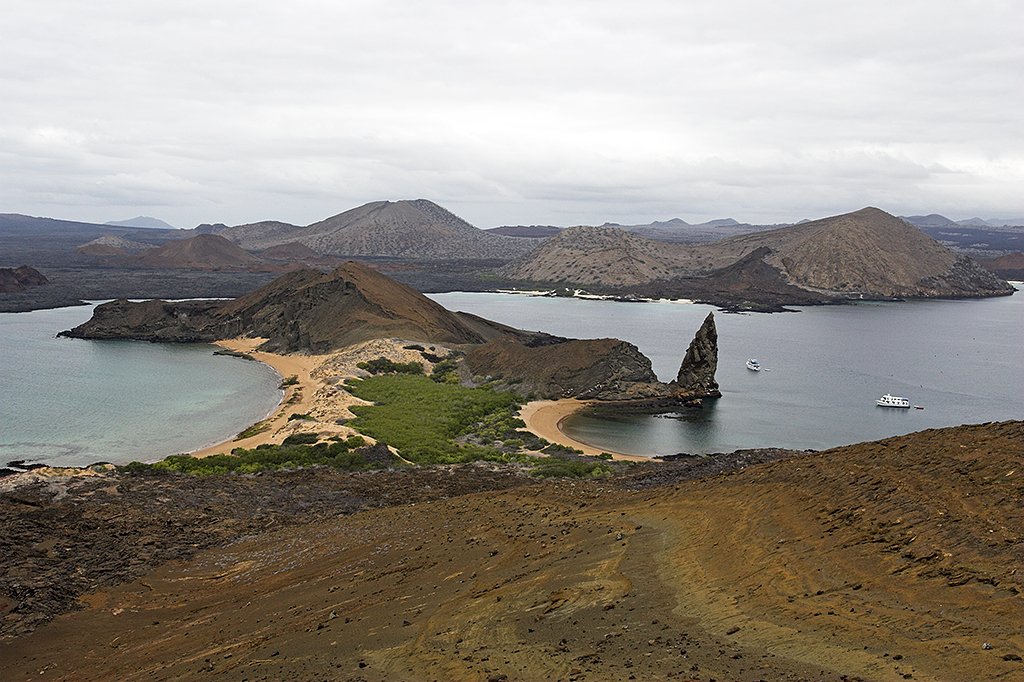
Pinnacle Rock: Pinnacle Rock is an eroded volcanic formation rising sharply from the sea like a knife. It is an iconic site and one of the most famous and photographed locations in the Galápagos. After landing on the beach next to the rock, we can swim with colorful fish, sea lions, and Galápagos penguins.
Summit Hike: After landing in a small cove opposite Pinnacle Rock, we can follow a trail up to a 200-meter-high summit. From here, we enjoy a spectacular panoramic view, and many of the most iconic Galápagos photos are taken from this vantage point.
In the morning, we visit **North Seymour**, a fantastic bird island.
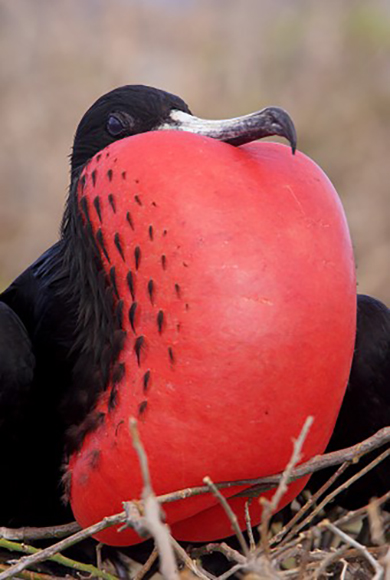
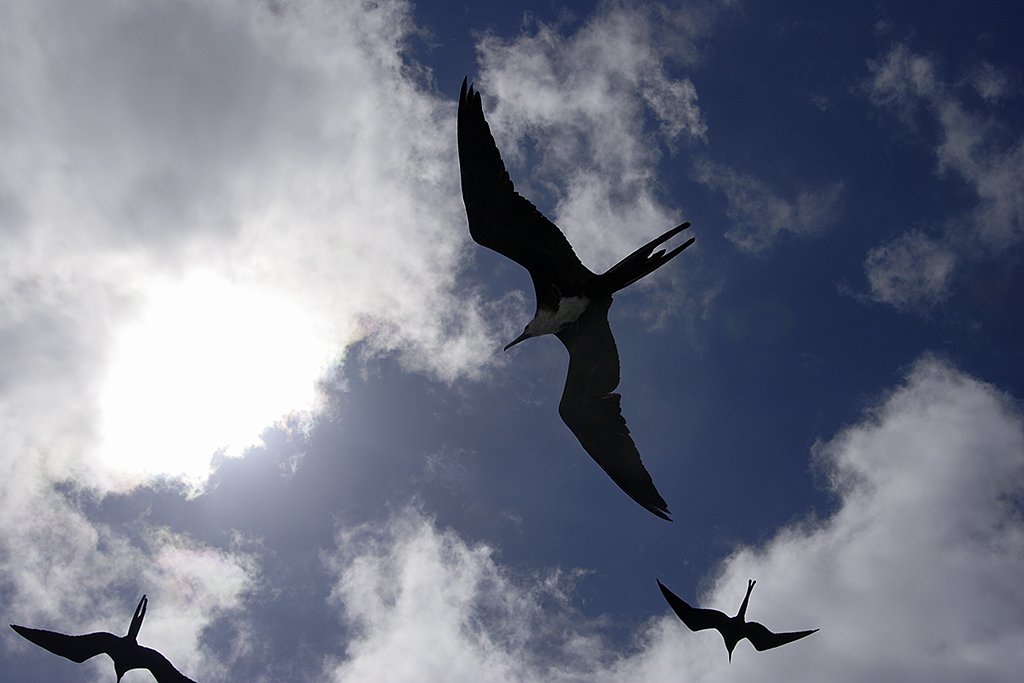
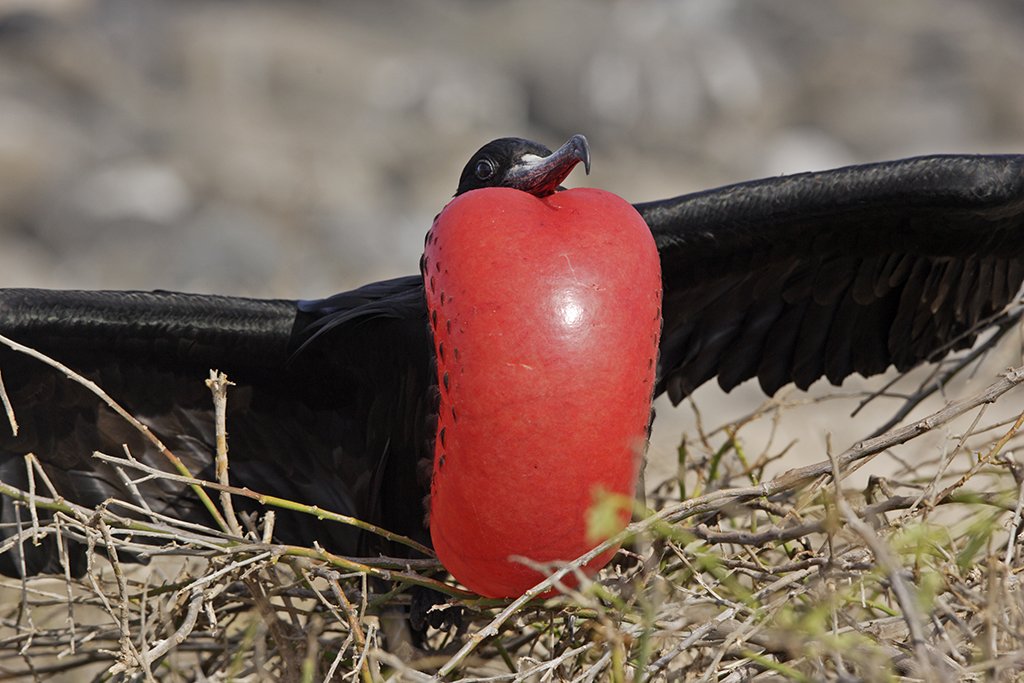
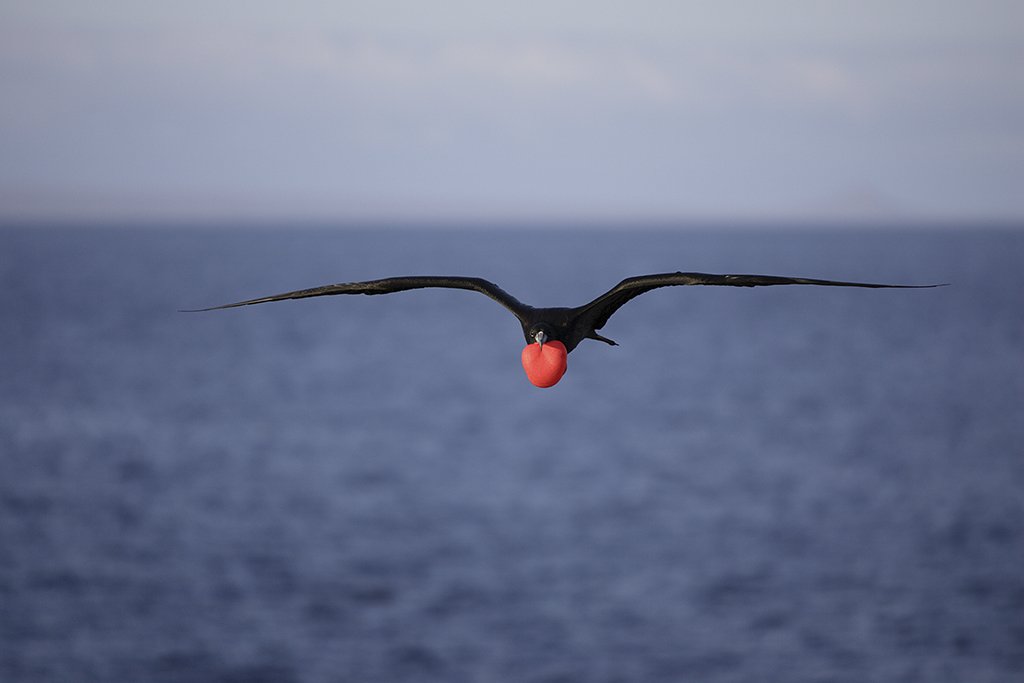
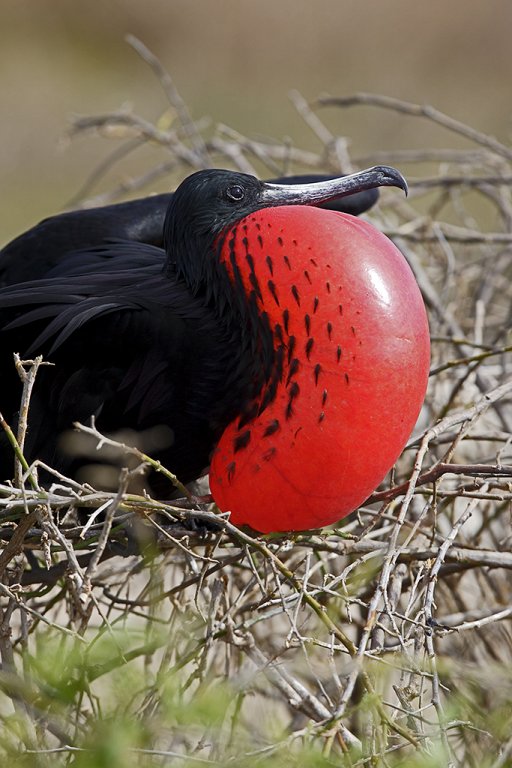
Along the beach, the formidable **frigatebirds** patrol. Their name is well earned: frigates were fast warships used by pirates to raid peaceful merchant ships, and the frigatebirds behave in much the same way—pirates swooping down on peaceful seabirds to steal their food. The frigatebird’s flight profile is very distinctive, with long, pointed wings and a long, forked tail. The bird can be over a meter long, with a wingspan of nearly 2.5 meters, yet it weighs only 600–1600 grams. No other bird species has a larger wingspan relative to its body weight, making the frigatebird extremely agile and acrobatic in the air. A booby with a crop full of food has little chance of escape when the pirate-like profile appears overhead.
Several males sit close together, inflating their bright red throat pouches. After about 20 minutes, spectacular balloon-like sacs hang beneath their throats—just what’s needed to attract females. When a female passes overhead, the males lose all composure. They throw their heads back, spread their wings, and make loud calls. If the flying female approves of what she sees, she selects one of the “pirate” males.
Frigatebird. Photo: Tom Schandy
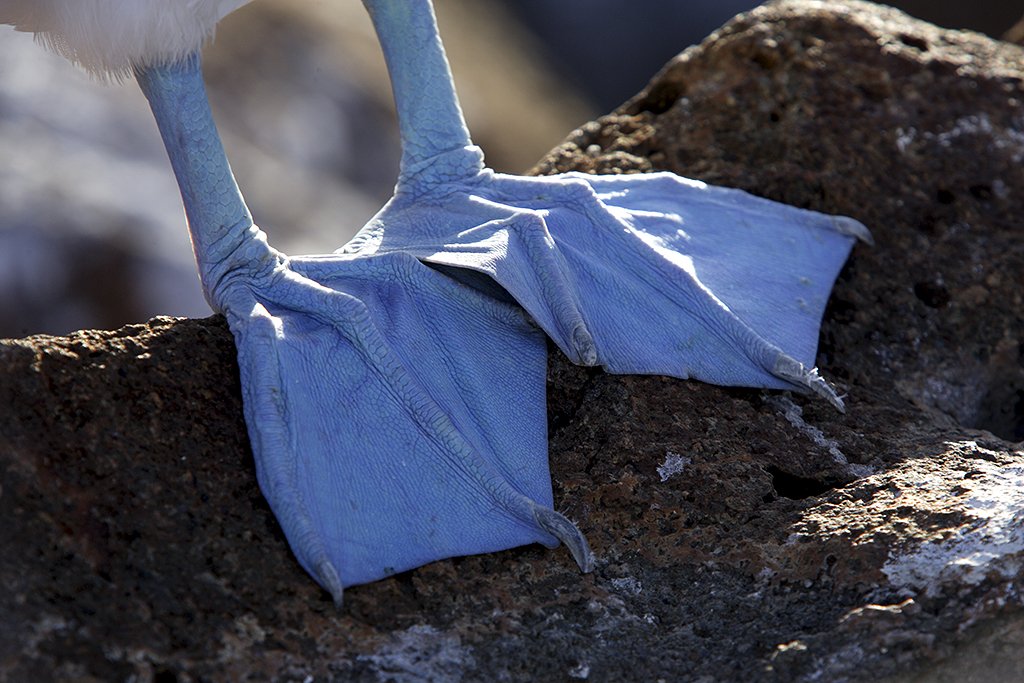
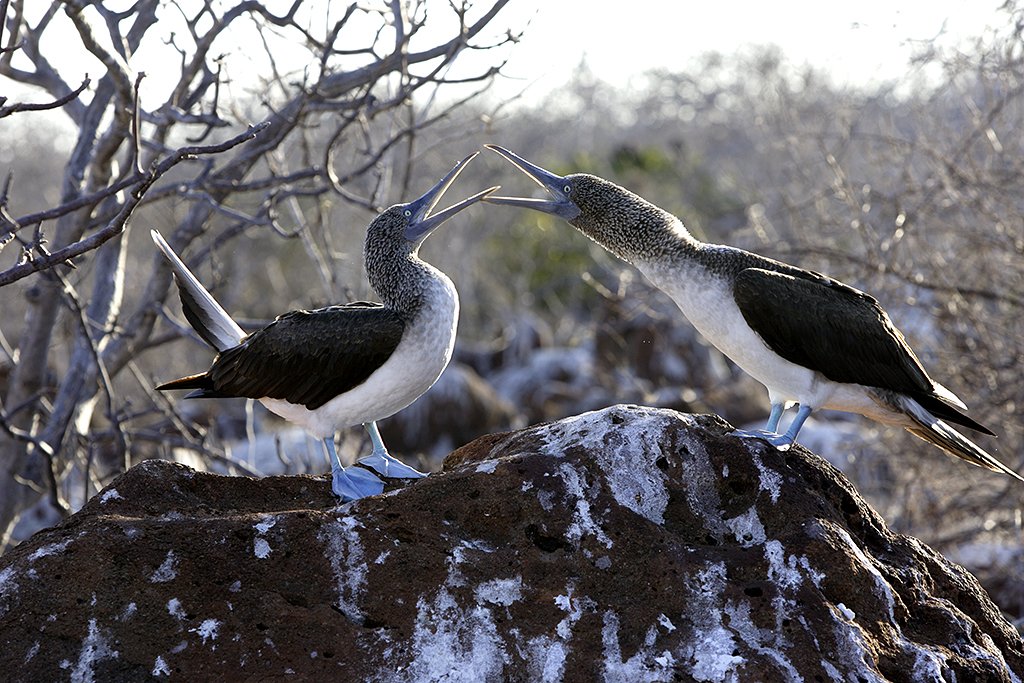
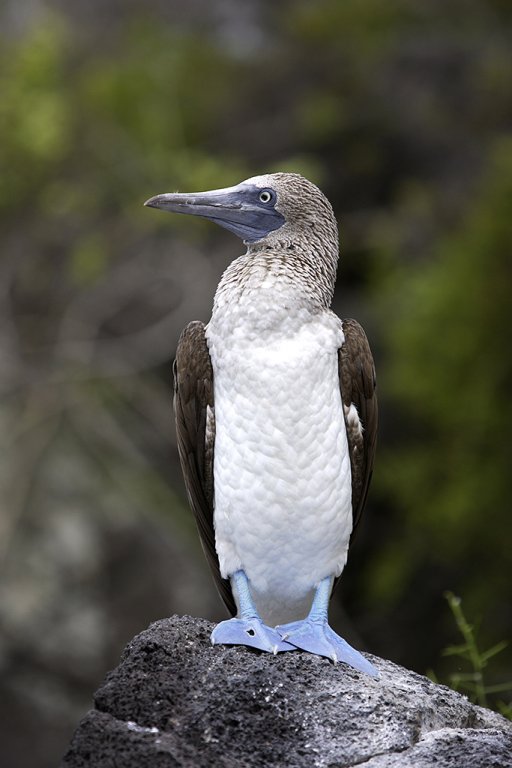
The amusing blue-footed boobies nest close to the frigatebirds—even though the latter frequently steal their food. For the boobies, it’s not about red throat pouches, but about their blue feet. We often see the famous blue-footed booby dance, where the birds stand side by side, lifting their bright blue feet alternately—like clowns in oversized shoes. The dance ends with the so-called “sky-point” posture, where both the tail and beak point straight up while the wings are spread.
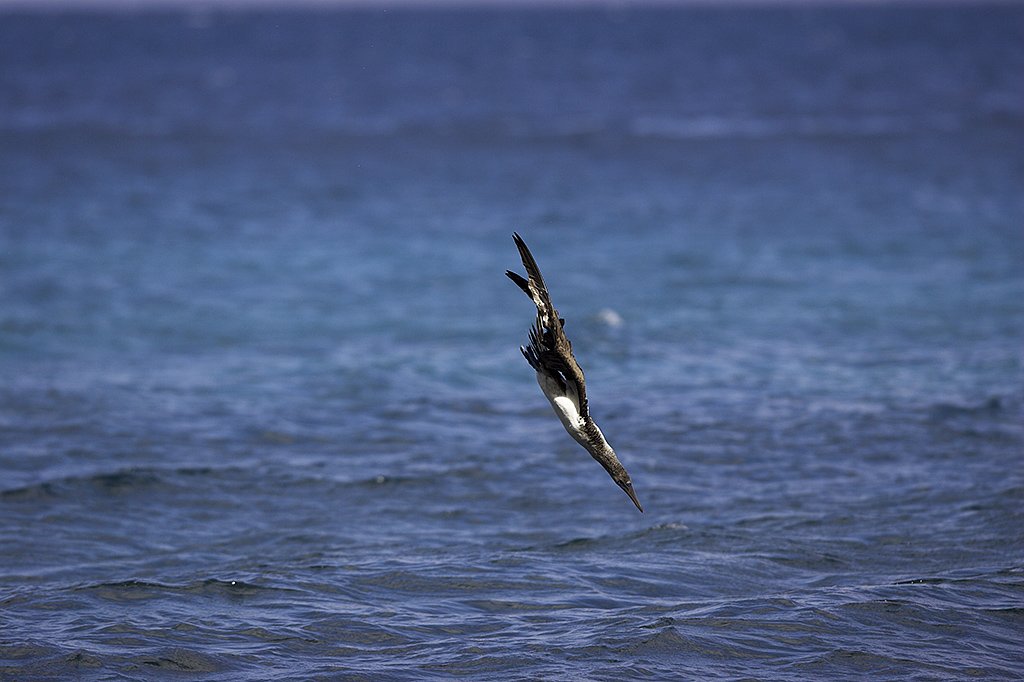
Blue-footed boobies are fisherbirds. If we are lucky, we may see large groups performing synchronized dives from heights of up to 20 meters. When they spot schools of fish, they fold their wings and plunge into the sea like arrows.
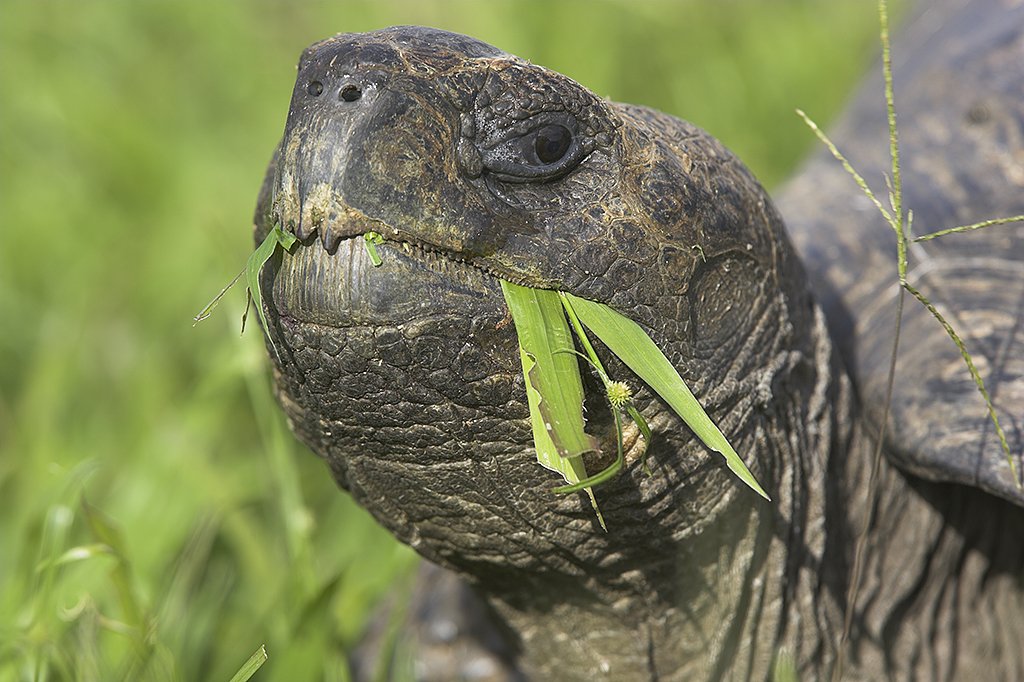
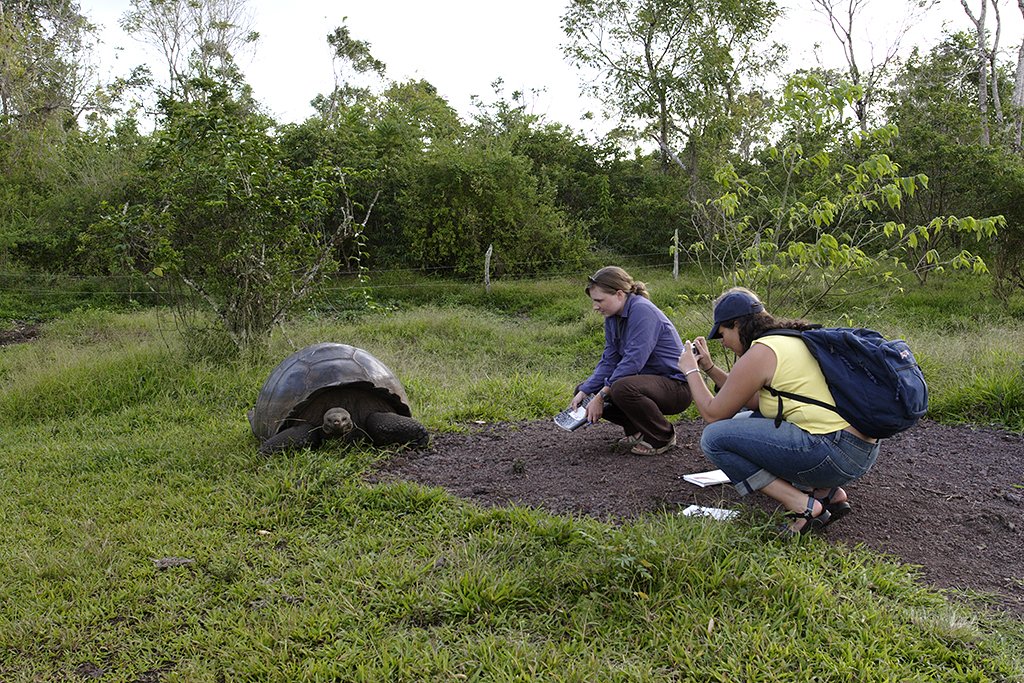
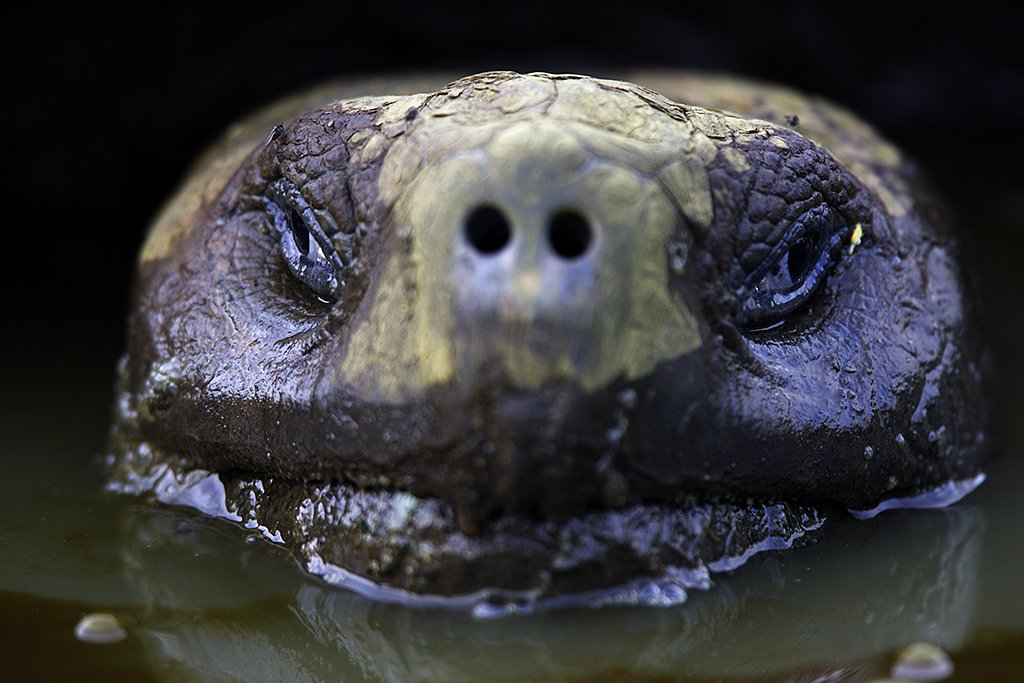
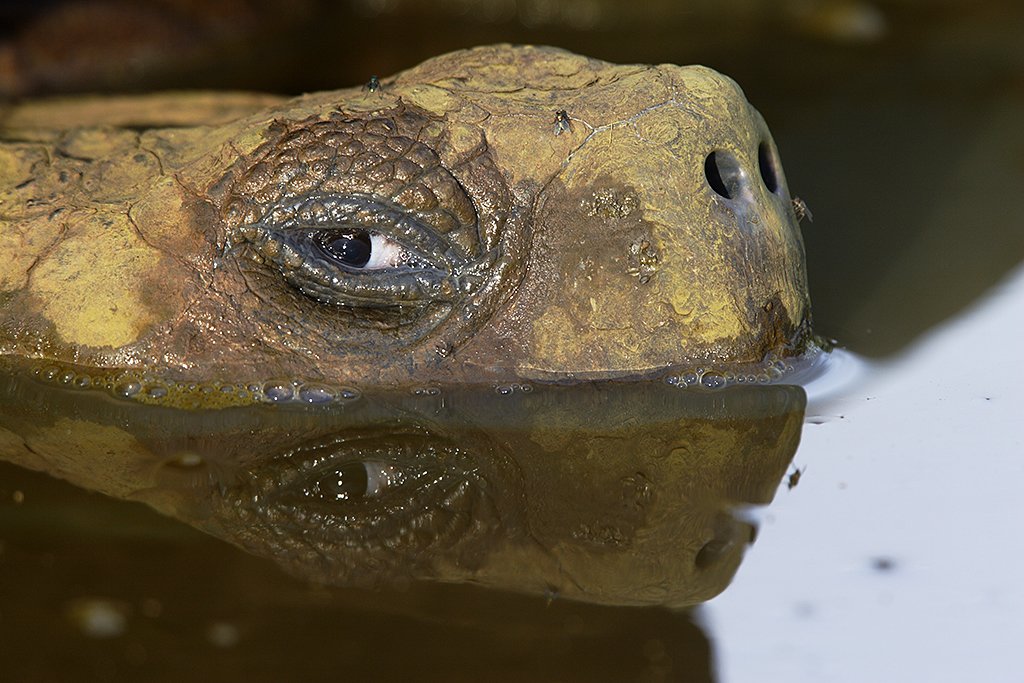
After visiting Seymour, we travel to Santa Cruz and disembark from the boat. We then take a trip across the highlands, where it is possible to spot some of the region’s unique highland birds. Our journey continues to a large tortoise reserve—a private property and sanctuary for the world’s largest tortoise, the giant tortoise. This is the best place in the Galápagos to see these giants, which can weigh over 300 kg. We will wander along the network of trails on the property, hoping to encounter several of these magnificent creatures.
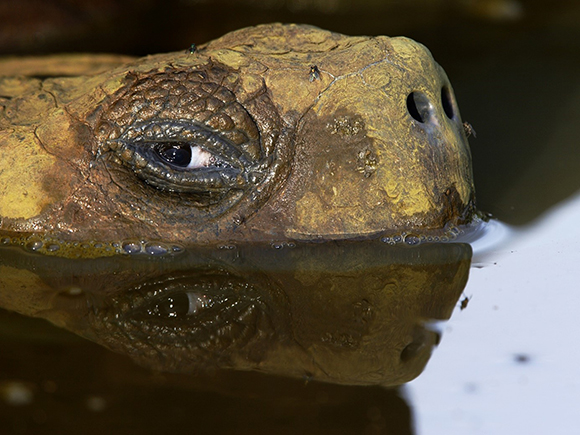
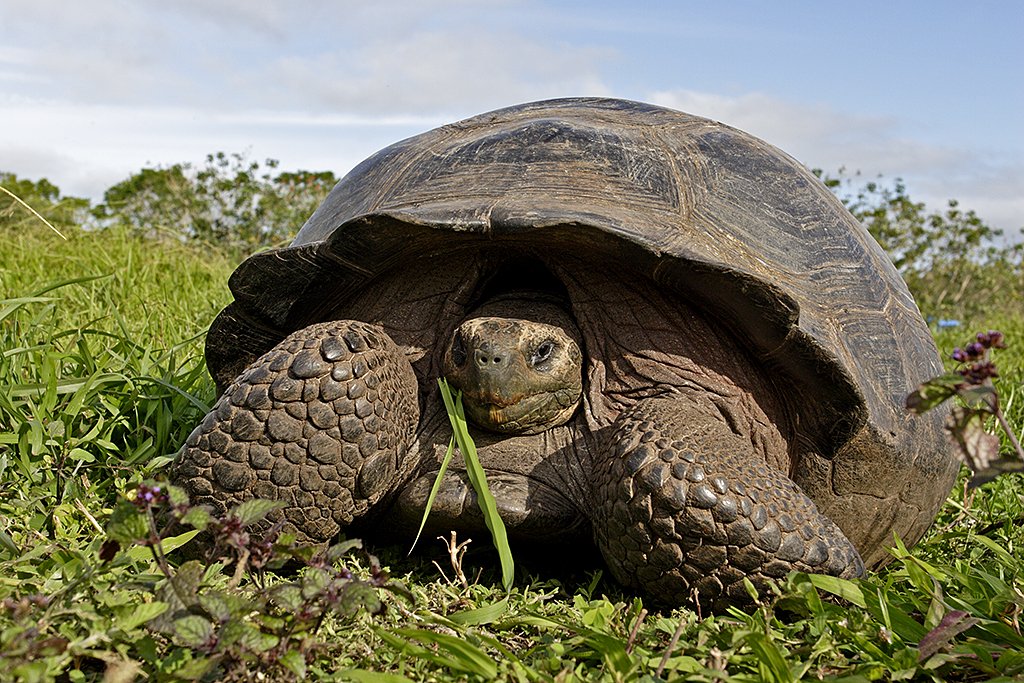
Giant tortoises can live close to 150 years. Here in the highlands of Santa Cruz, there is plenty of green grass, allowing them to eat as much as they like. They are not afraid of humans—and even if they were, they could not escape due to their slow speed. Their heads are small and wrinkled, reminiscent of an old man. It is said that Steven Spielberg used giant tortoises as inspiration for his extraterrestrial character, E.T., which captivated audiences in the early 1980s.
For sailors surviving on ship biscuits and salted pork, fresh meat was a welcome commodity. When sailors discovered the Galápagos in the 1500s, they literally collected tortoises. These animals have an exceptionally slow metabolism and can survive up to a year without food or water—very convenient for sailors, but disastrous for the tortoises. Between 1500 and 1800, more than 100,000 giant tortoises were captured, causing their population to decline dramatically. Additionally, pirates, whalers, sealers, and settlers introduced goats, pigs, donkeys, dogs, and rats—species that competed with the tortoises for food, destroyed nests, ate eggs and young, and converted forests into open grasslands.
We then board the bus and conclude the program with a visit to the famous Charles Darwin Research Station. Our guide will take us through the tortoise breeding center and explain the important conservation work carried out at the station.
Giant tortoise. Photo: Tom Schandy.
We arrive at the hotel in the afternoon. There are many restaurants within very easy walking distance.
Ikala Galapagos Hotel is surrounded by beautiful trees and gardens, creating a fresh and natural atmosphere, making the hotel an oasis in the heart of the bustling town of Santa Cruz—just a 3-minute walk to the main pier. The hotel features a small outdoor pool, a bar, and La Terraza Restaurant on the rooftop, where you can enjoy a delicious breakfast or a private dinner with sea views while soaking in the relaxing environment.
Unfortunately, this is the last day of our trip. When the time comes (likely around 07:00 – exact time will be confirmed the day before), we will head to Baltra Airport for check-in to Quito.
Flight to Norway in the evening.
Friday, May 15th: Arrival in Oslo.
Key information
Included:
All meals, plus snacks when returning to the boat after landings. Day 8 includes only lunch, and Day 9 only breakfast.
A nature expert guide (handpicked for this trip)
All excursions
Drinking water, tea, coffee
Use of kayaks (at certified locations)
Wetsuit (shorty), mask, fins
Internet (available at certain times during the trip)
Transfer from the ship to hotel on Day 8
Lunch on Day 8 (turtle reserve)
1 night at a hotel in Puerto Ayora (breakfast included)
Excursions on Day 8 with guide (turtle reserve, Darwin Station, highlands)
Airport transfer with guide (outbound from Galapagos to the mainland)
Not included:
Park entrance fees ($200)
Transit control card ($20)
All other beverages onboard besides water, tea, and coffee
Tips (recommended: $20–25/person/day for the crew, $10–15/person/day for the guide)
Dinner on Day 8 in Puerto Ayora, lunch on Day 9 (there is a simple cafeteria at Baltra Airport)
Hotel in Quito (likely 2 nights before flying to the Galapagos)
Optional day trip to the hummingbird site prior to the main trip
Flights to and from the Galapagos
Terms & Conditions:
Deposit: NOK 25,000 per participant at registration. Remaining balance to be paid in early 2026.
Equipment:
All species are not very shy, so large telephoto lenses are generally not required. A 100–400mm lens is very flexible, along with a wide-angle (16–35mm or 24–70/105mm). Many species can be photographed up close with wide-angle.
Tripods will likely see limited use, but bring one just in case for starry nights and landscapes.
Bring a laptop to transfer images. Bring plenty of memory cards and external hard drives (2–4 TB) for photo storage. Don’t forget chargers, power adapters, and a multi-outlet extension to charge several devices simultaneously.
Being on the equator, it is usually warm, but mornings and evenings can be cool, so a fleece is recommended. Comfortable walking shoes and sandals are sufficient.
Level:
This is not a photography course, so participants should have some photography experience. Nevertheless, Natur&Foto guides will always be available to assist with photography.
The trip is suitable for all levels, from amateur to professional photographers. Walking distances are short.
Snorkeling is optional; if you prefer not to, you can remain on the boat. If you want to snorkel and take underwater photos, you must bring your own underwater photography equipment. Wetsuits and snorkel gear will be provided on the boat.