Join us for an unforgettable week in Hungary. In June–July 2026, we are once again hosting a workshop with the renowned Hungarian master photographer Bence Máté. This is a unique opportunity to immerse yourself in incredible photographic opportunities and enjoy a truly memorable experience.
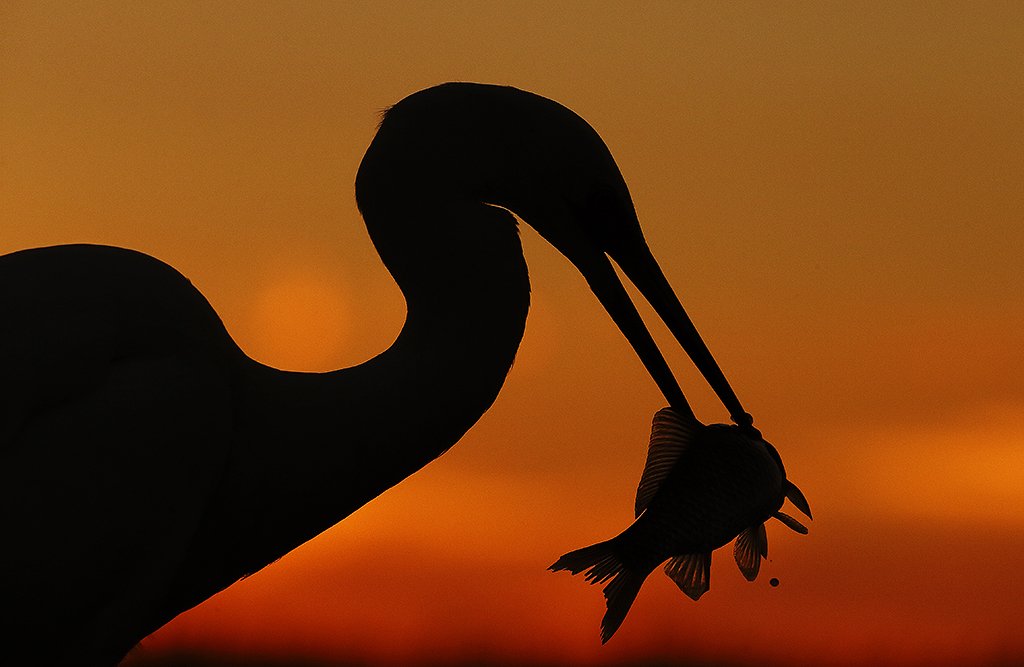
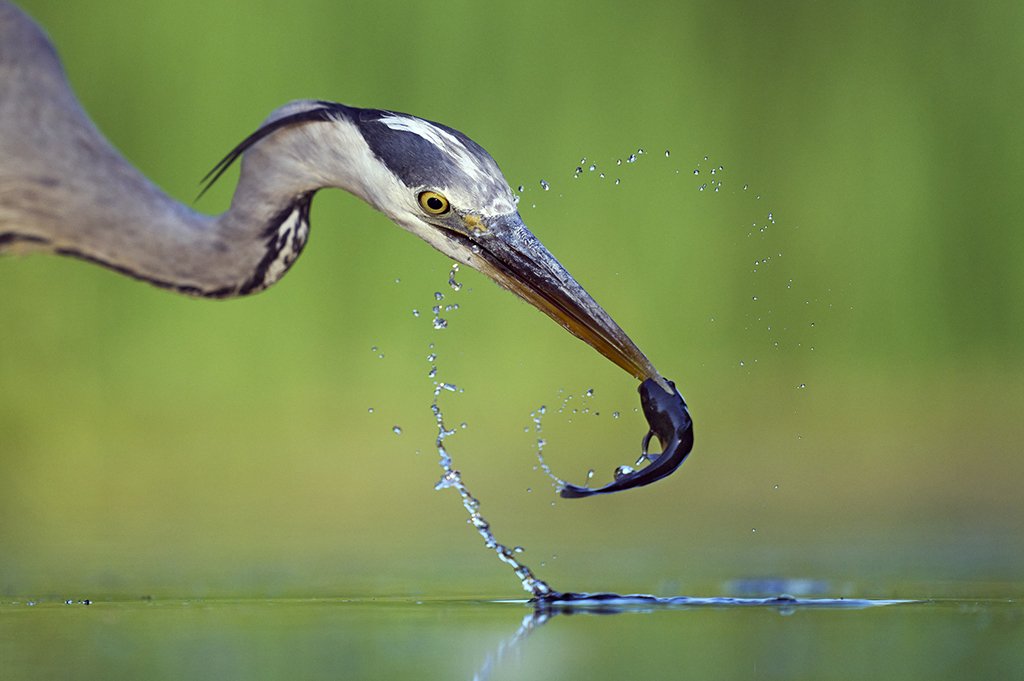
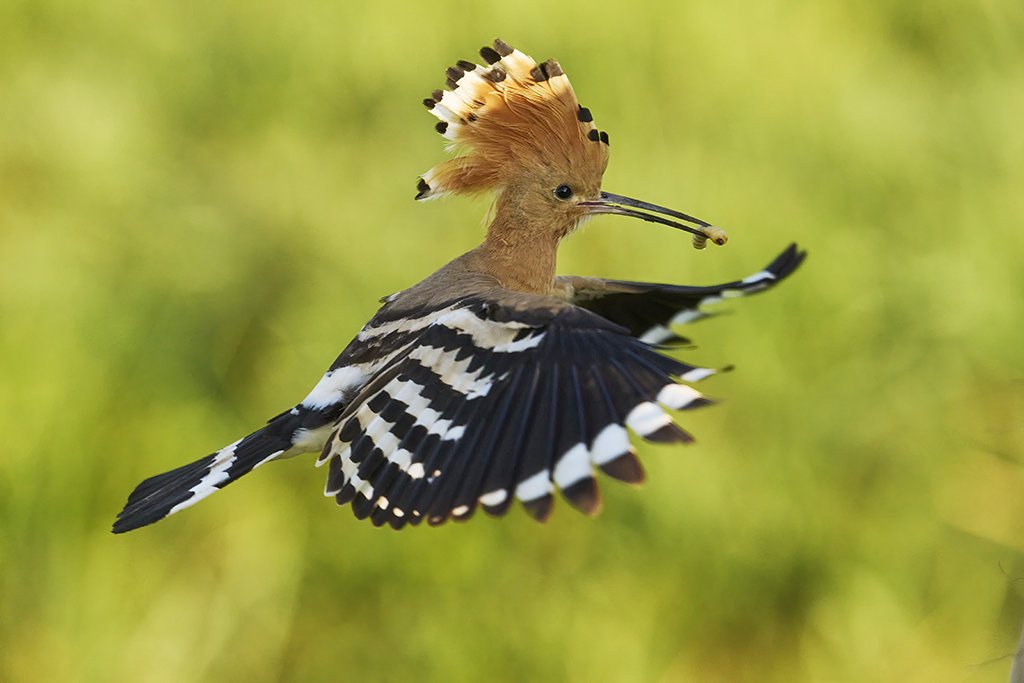
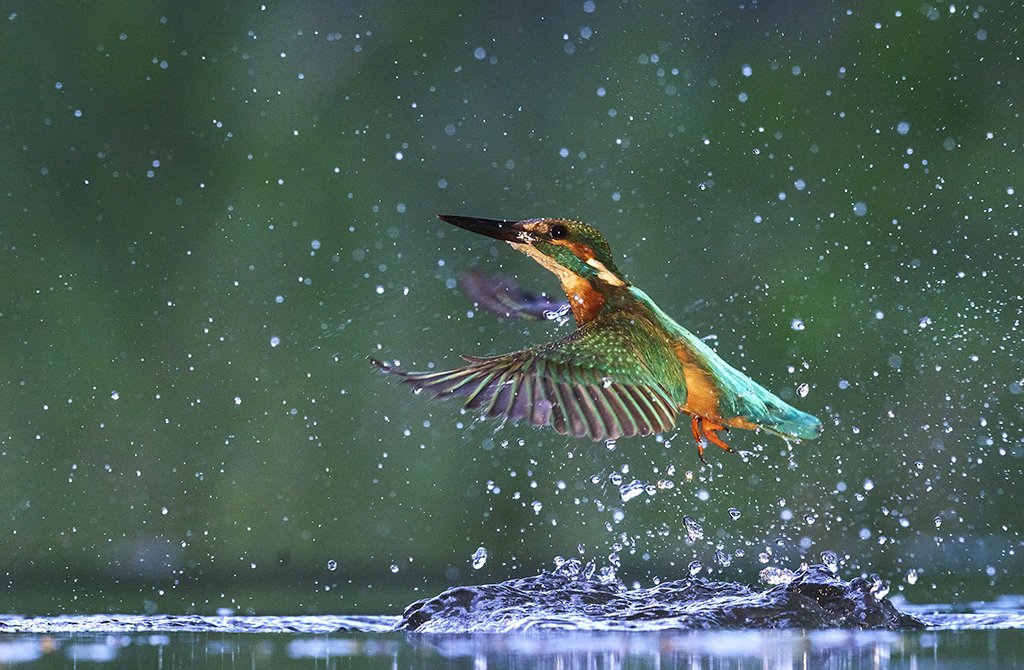
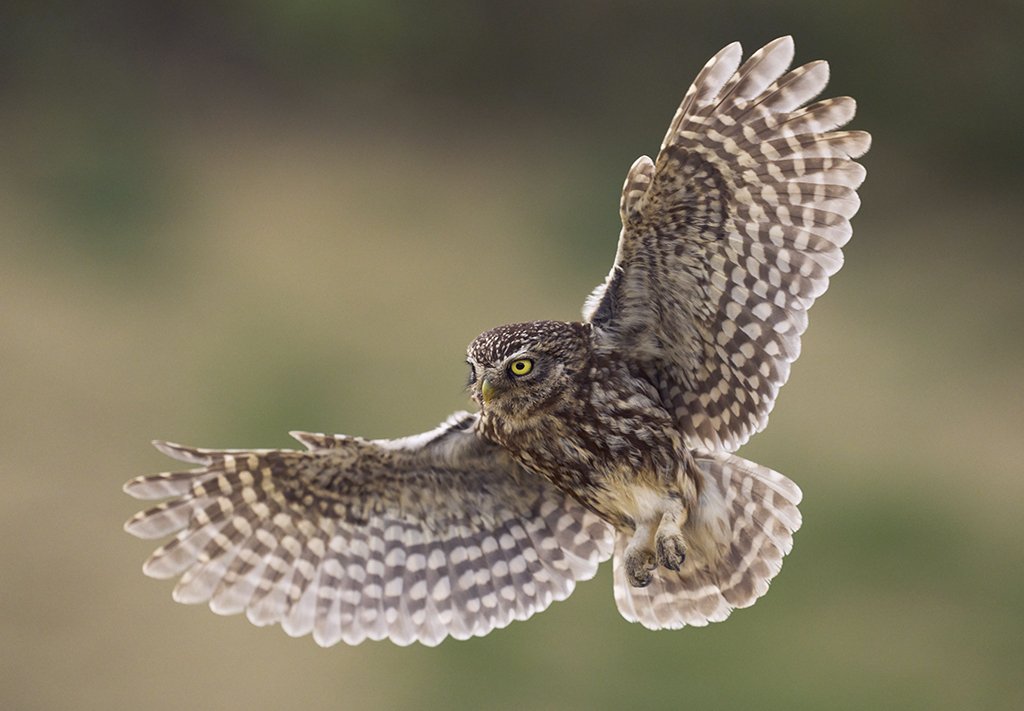
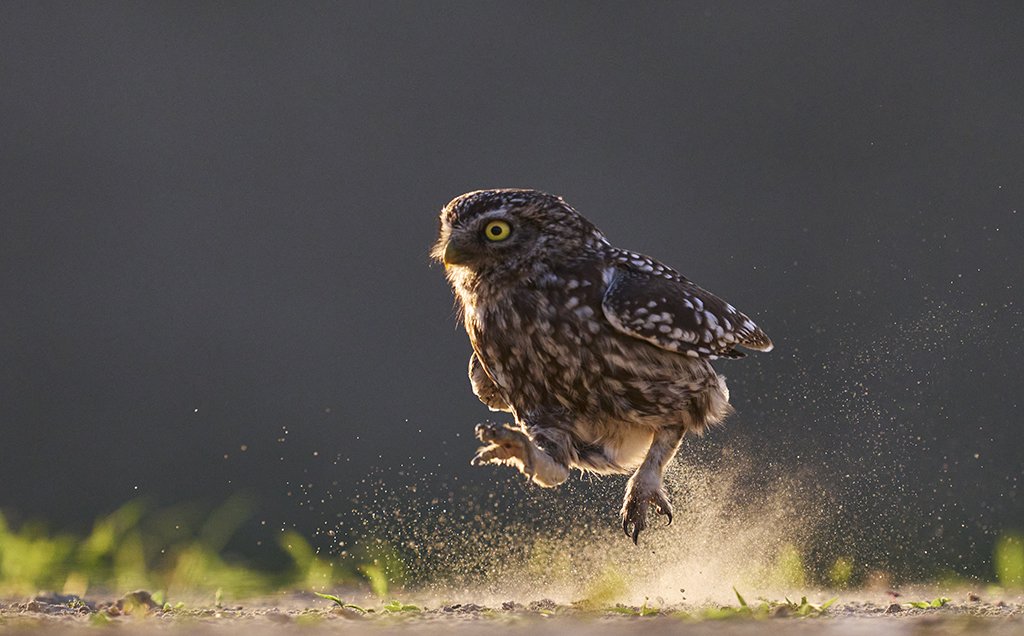
Bence offers world-class photo hides. Often described as the “inventor” of wildlife photography setups, he has developed highly specialized camouflage systems for photographing kingfishers, birds of prey, herons, storks, bee-eaters, rollers, hoopoes, ground squirrels, and even otters.
The location is set within the unique Kiskunság National Park, an area rich in birdlife. The hides are ingeniously designed, allowing you to get exceptionally close to your subjects—often at eye level.
World-Class Hides
Several of the hides are truly unique on a global scale. One is located by a lake deep within the national park. Camouflage screening lines the entire path leading in, ensuring birds remain undisturbed as you enter. Near the water sits a small building with two bedrooms and an office. Inside, a staircase leads down to a ten-meter-long tunnel running beneath the mudbank. At the end of this tunnel, you reach the hide—a glass structure positioned out in the water.
Here, you sit comfortably with a specially designed tripod system that can be adjusted in all directions. The birds cannot see you through the tinted glass, and a black backdrop inside ensures optimal shooting conditions. If you wish to shoot in another direction, you can simply extend your lens through an opening in the fabric.
Just outside, subjects such as herons, storks, and other waterbirds gather. There is also a similar hide known as the “underwater hide,” where otters occasionally make an appearance.
What Species Can You Photograph?
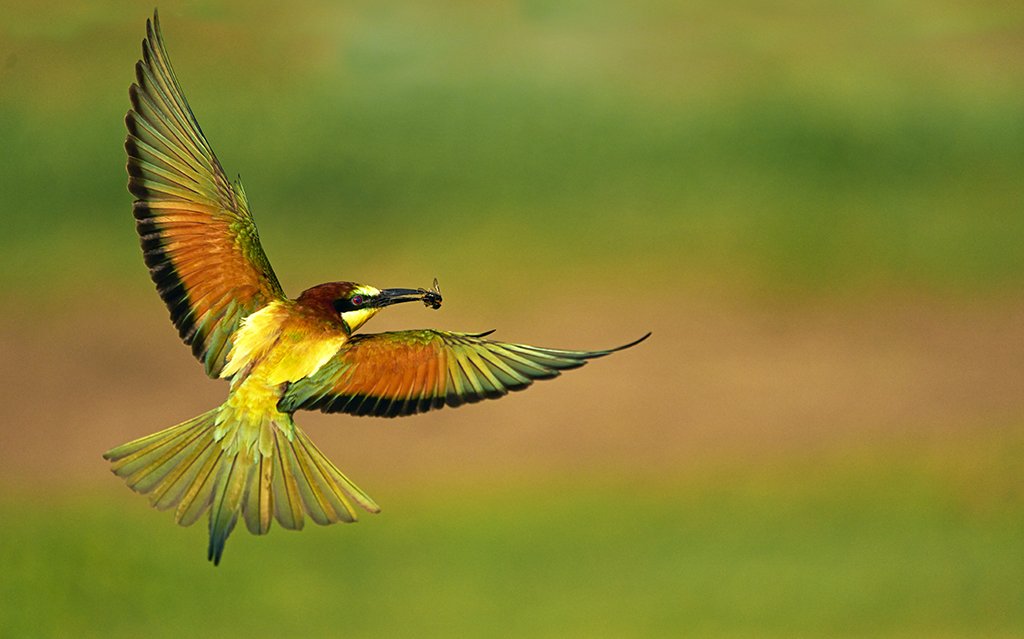
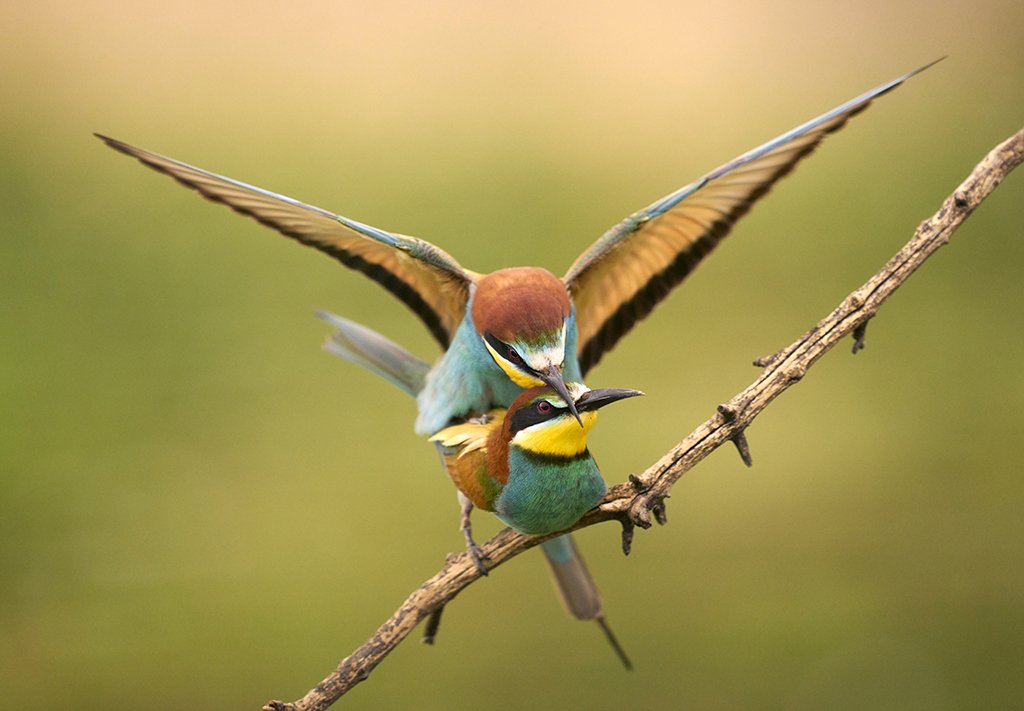
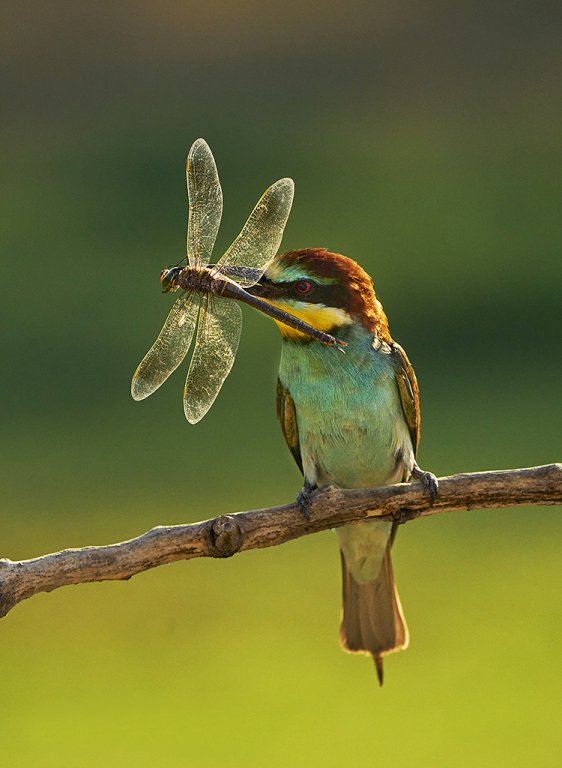
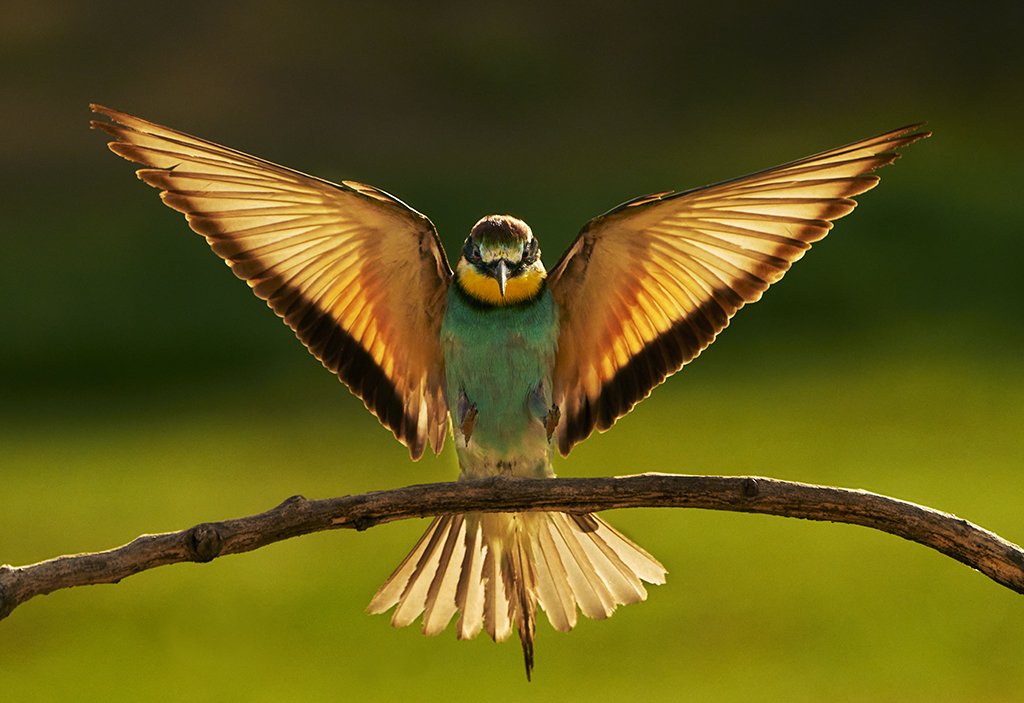
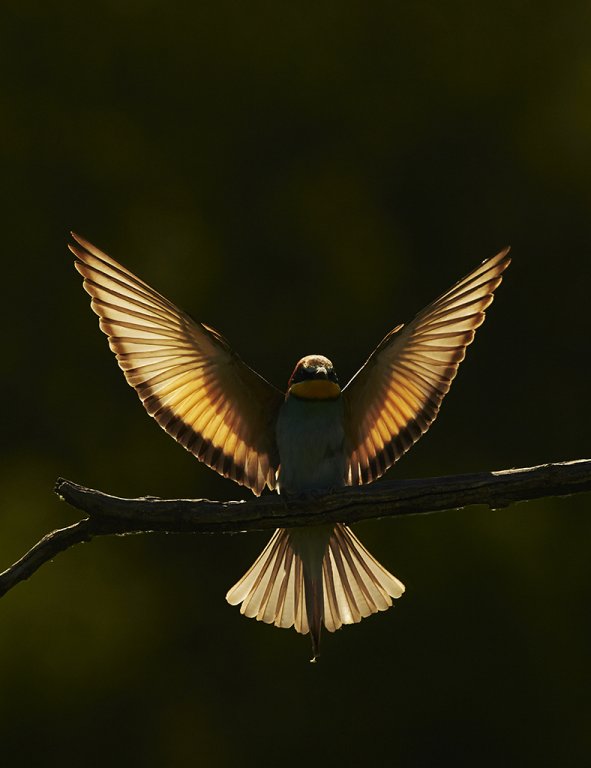
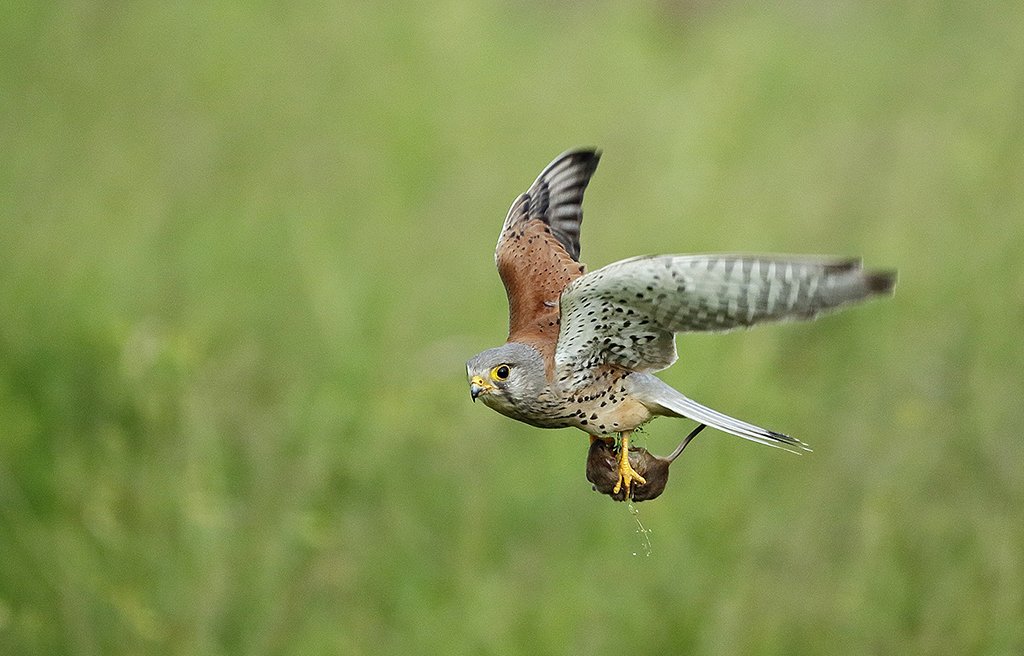
There are dedicated hides for species such as ground squirrels, kingfishers, kestrels, hoopoes, rollers, and bee-eaters.
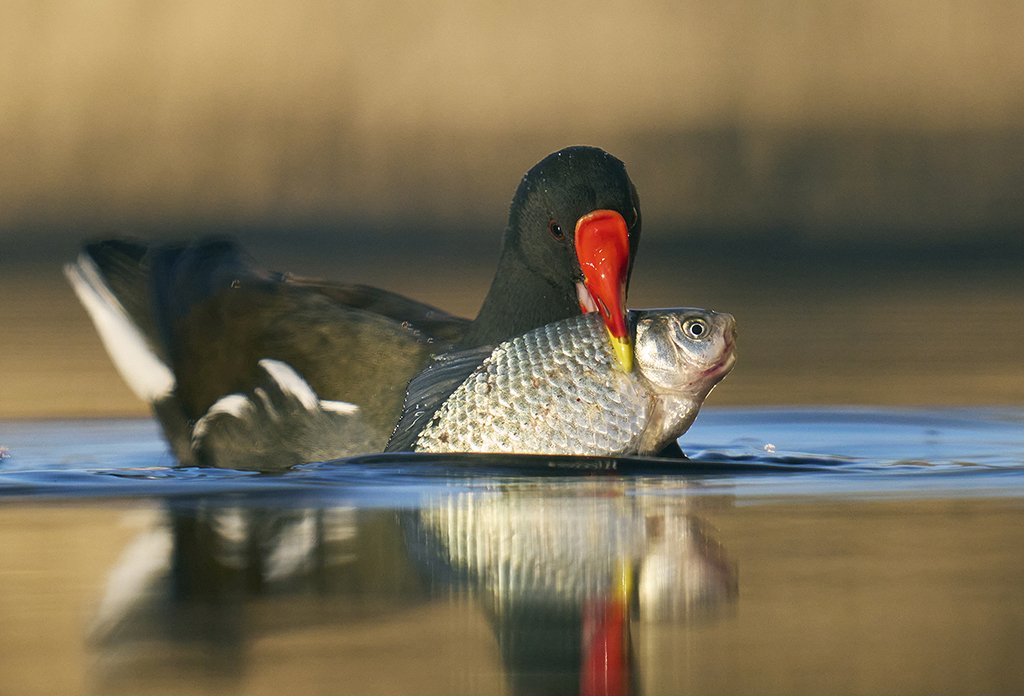
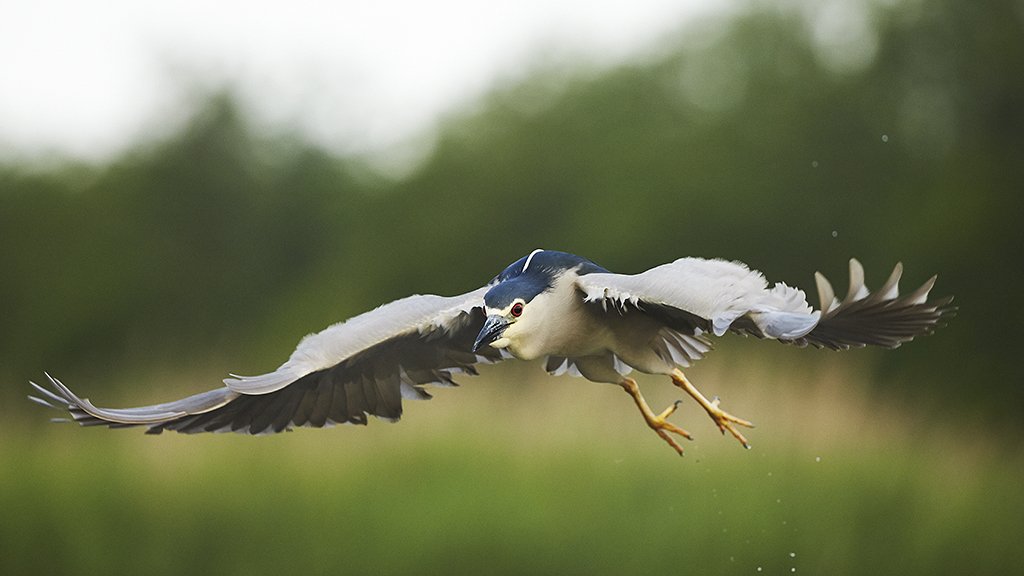
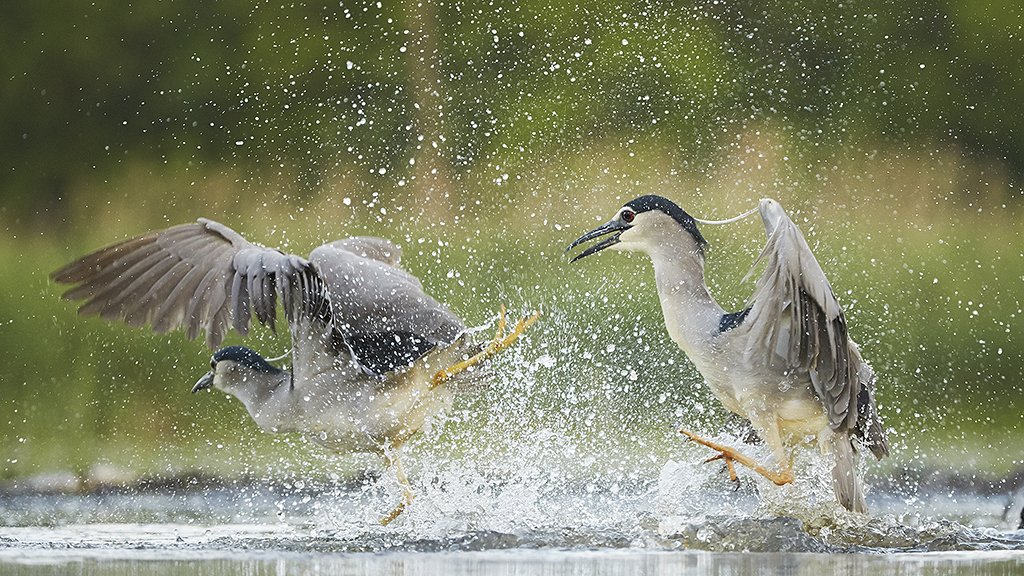
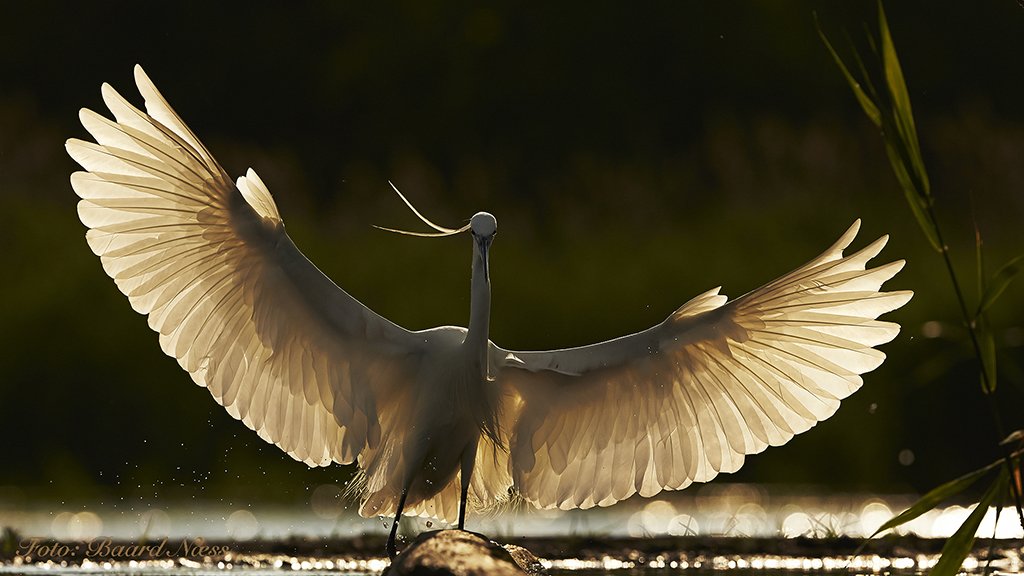
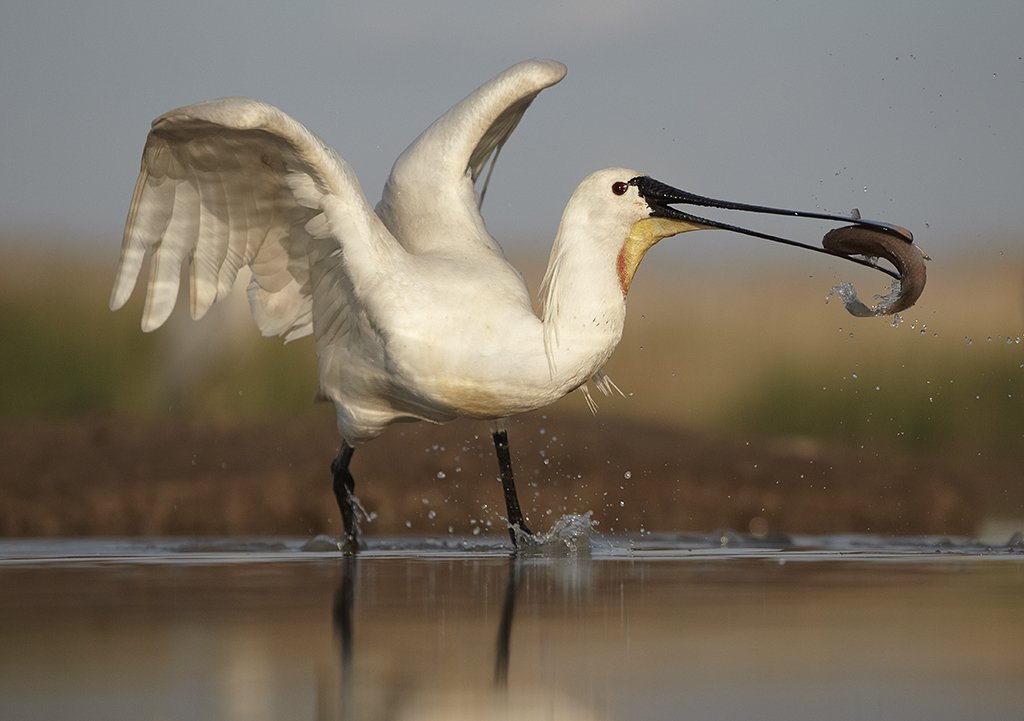
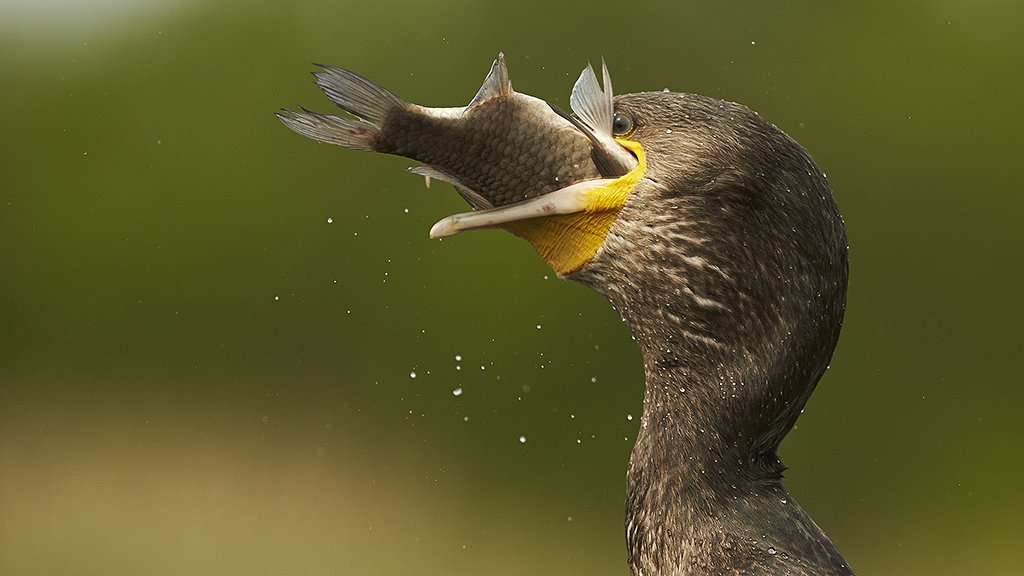
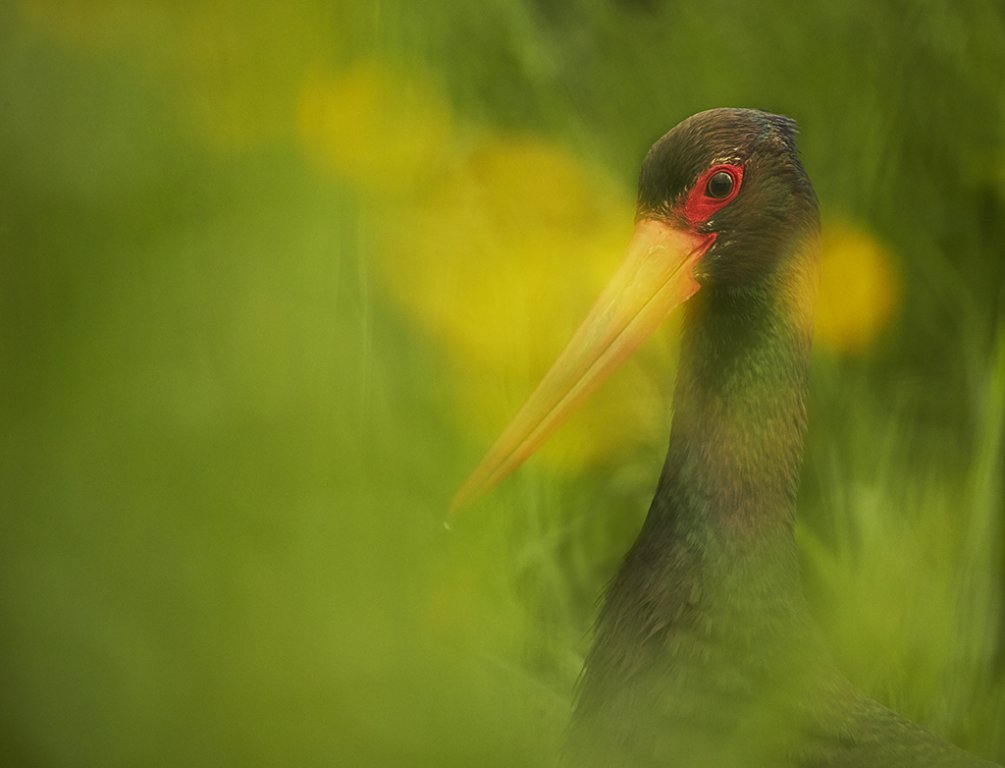
At the water hides, you can often photograph grey herons, great egrets, pygmy cormorants, night herons, black storks, great cormorants, water rails, and a variety of other waterbirds—as well as otters.
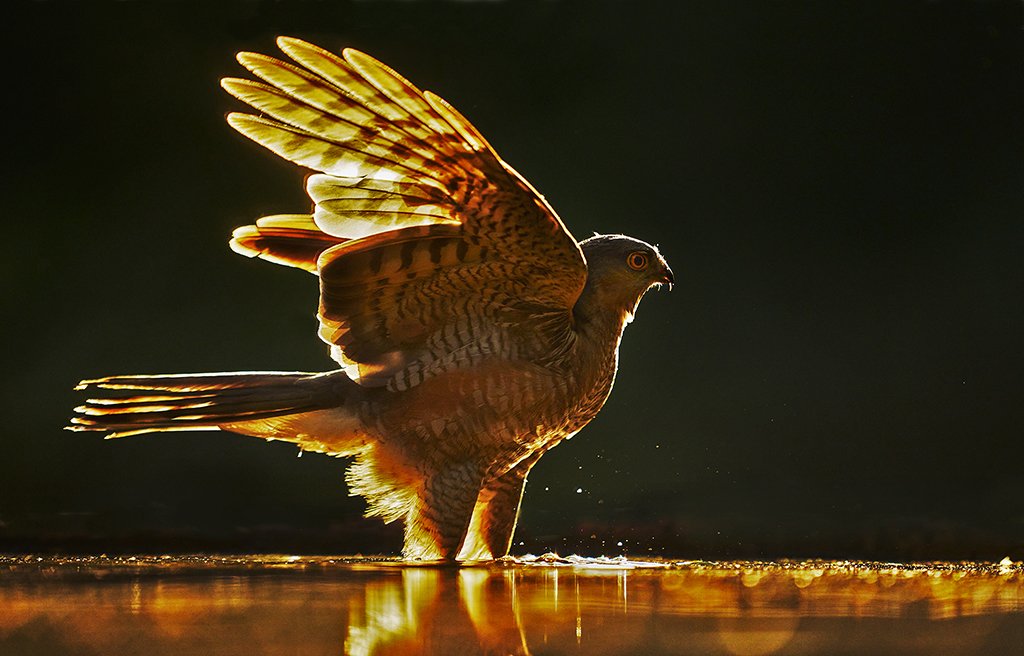
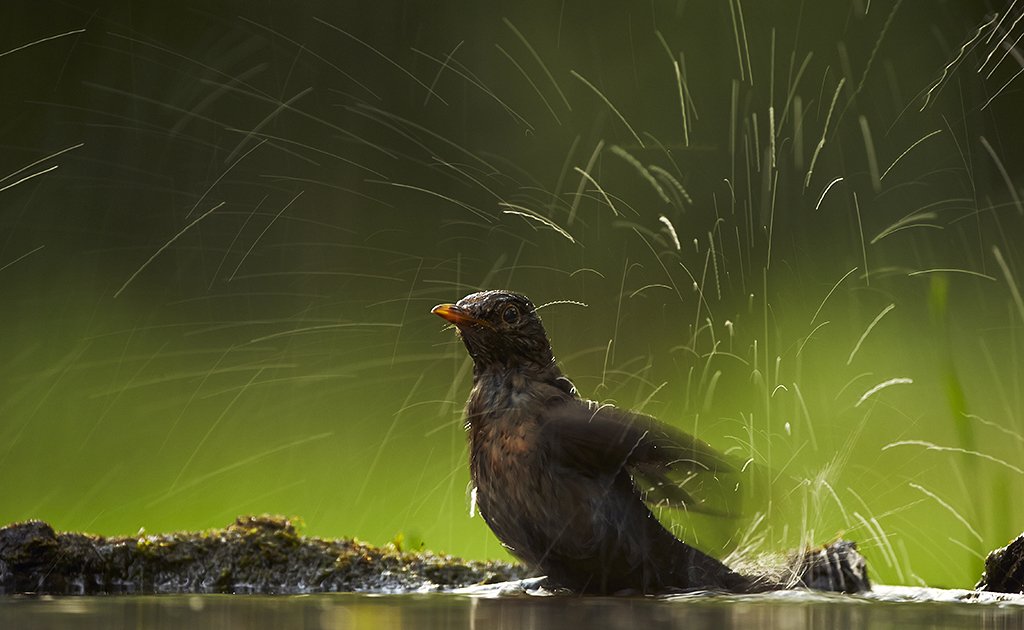
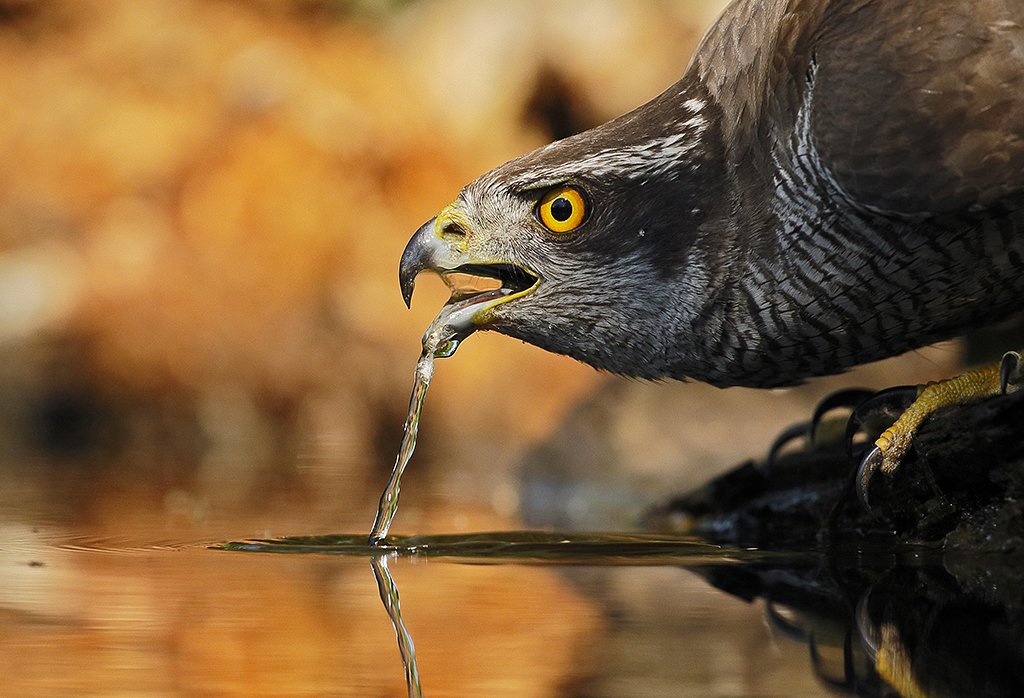
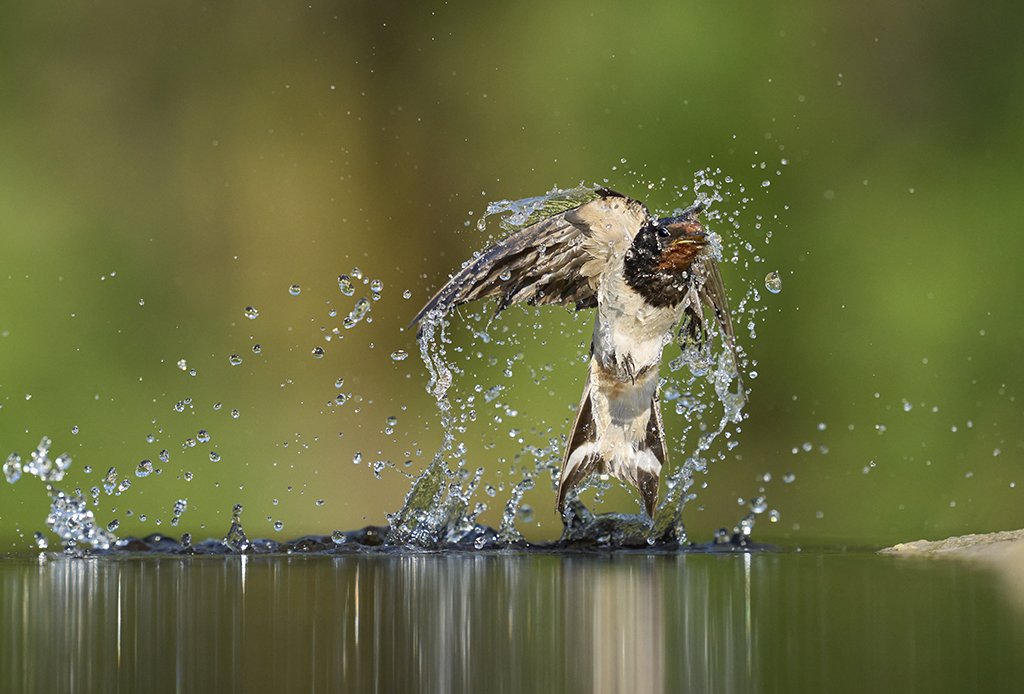
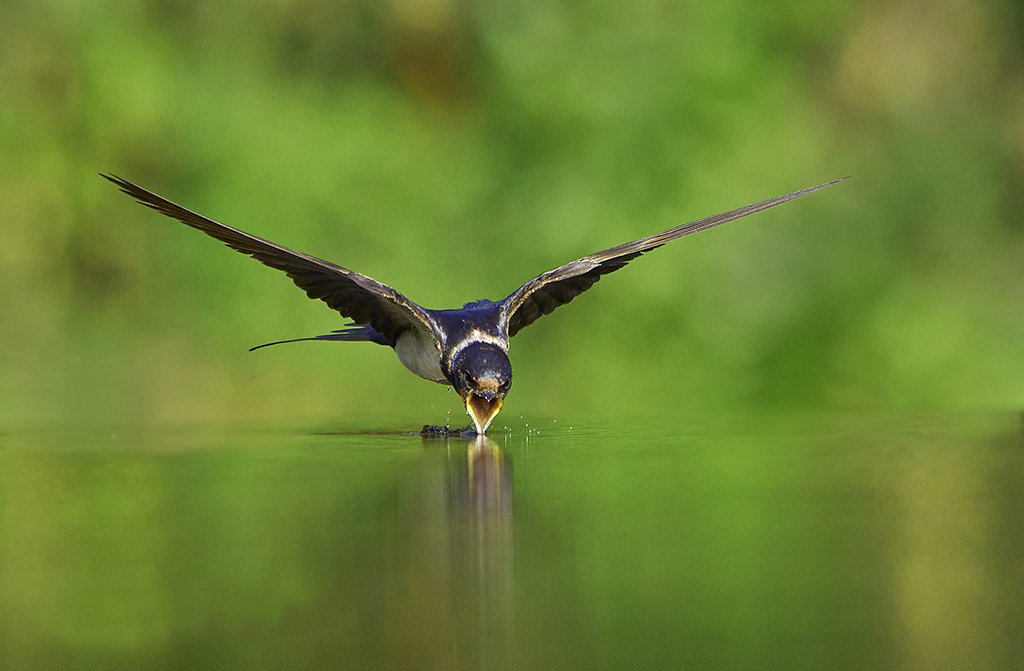
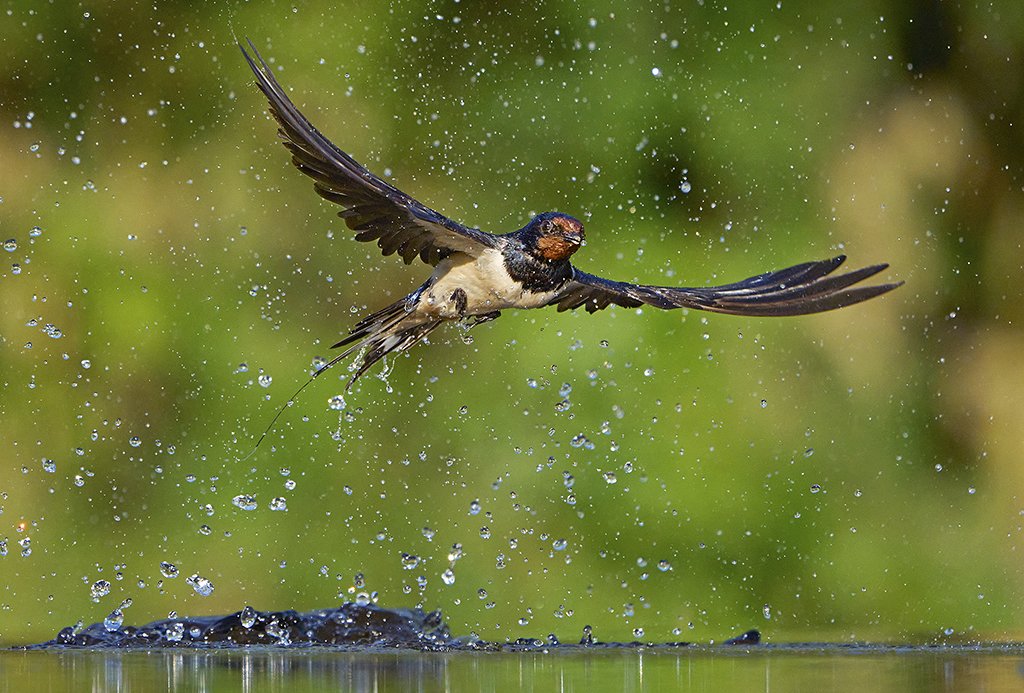
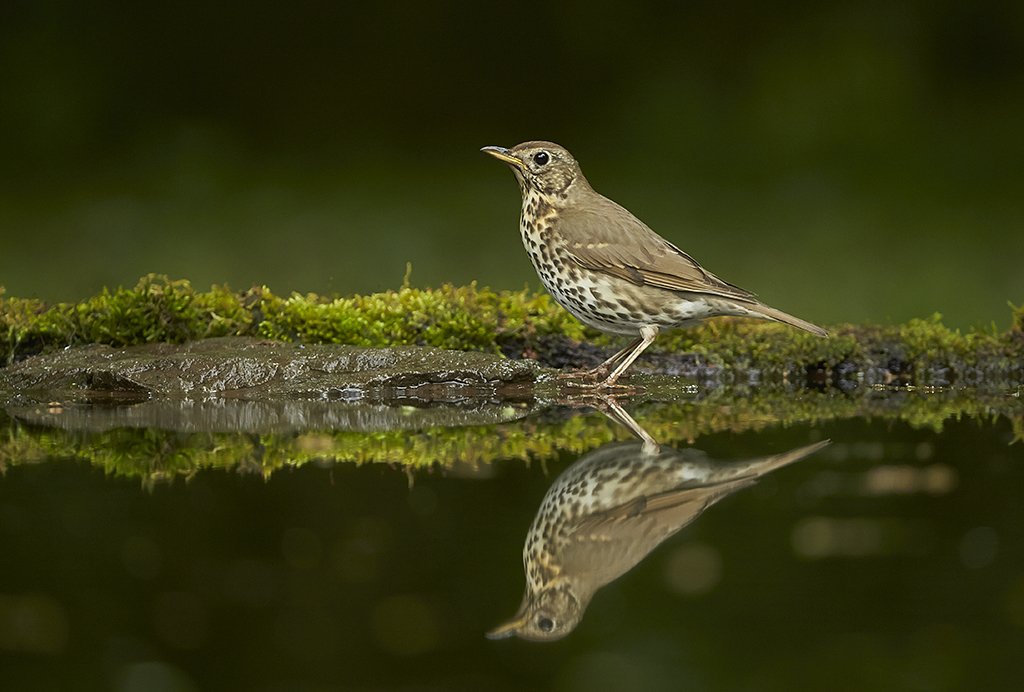
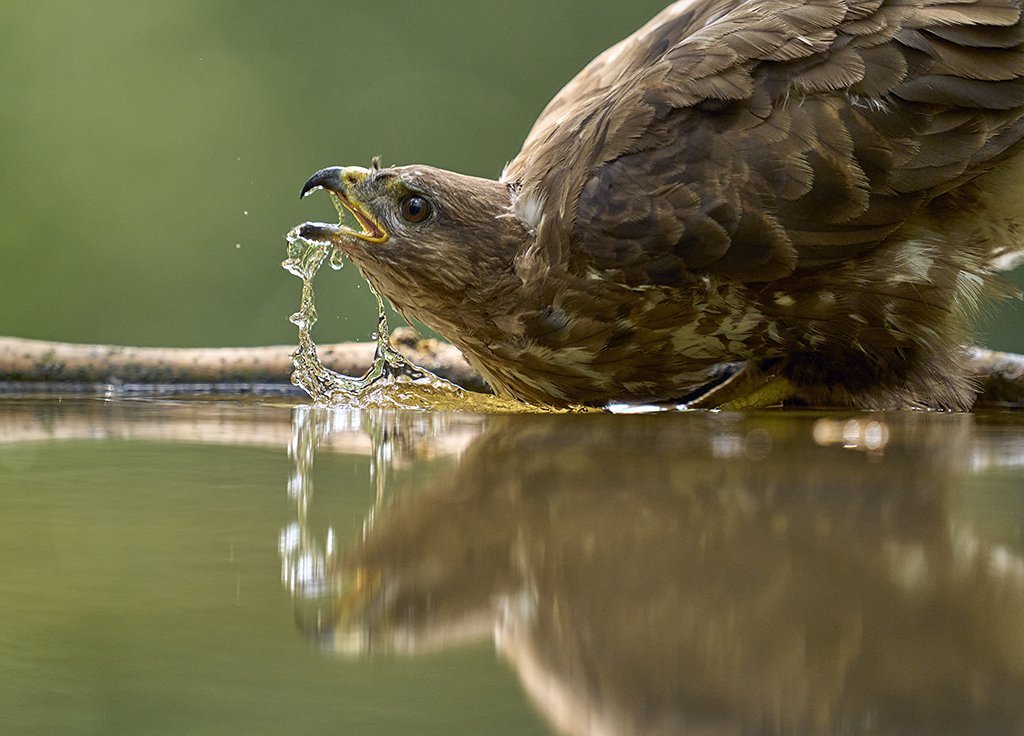
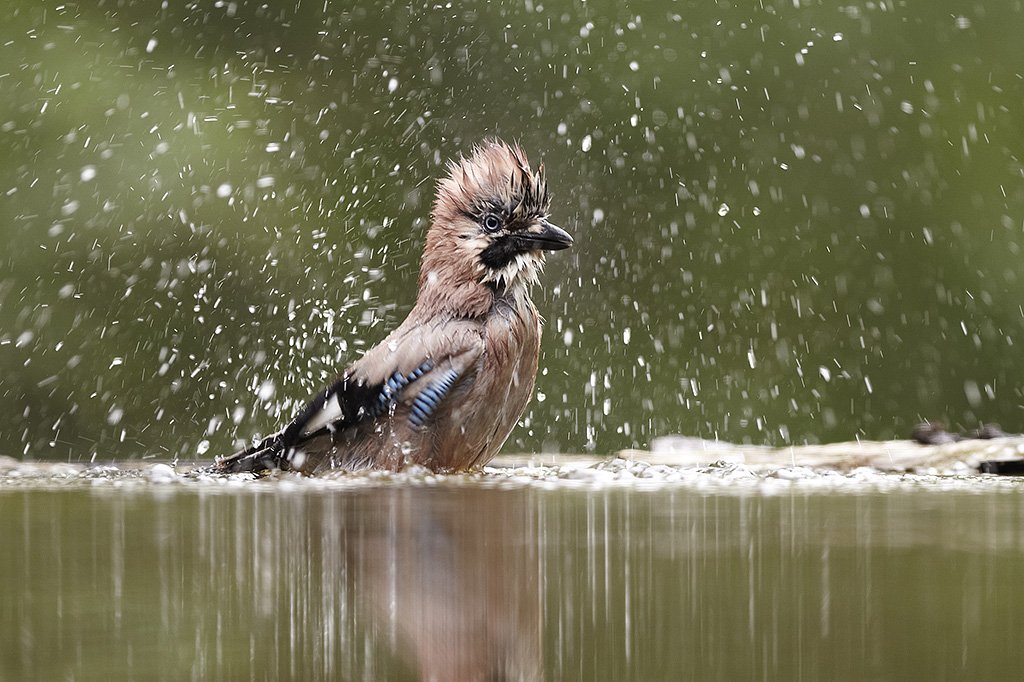
At drinking stations and bathing pools, a wide range of species may appear. Among the more exciting ones are sparrowhawks, common buzzards, goshawks, turtle doves, black woodpeckers, and long-tailed tits. In addition, many common species such as woodpeckers, blackbirds, thrushes, hawfinches, goldfinches, robins, chaffinches, tits, and various warblers visit regularly—so memory cards tend to fill up quickly.
Photo: Bård Næss