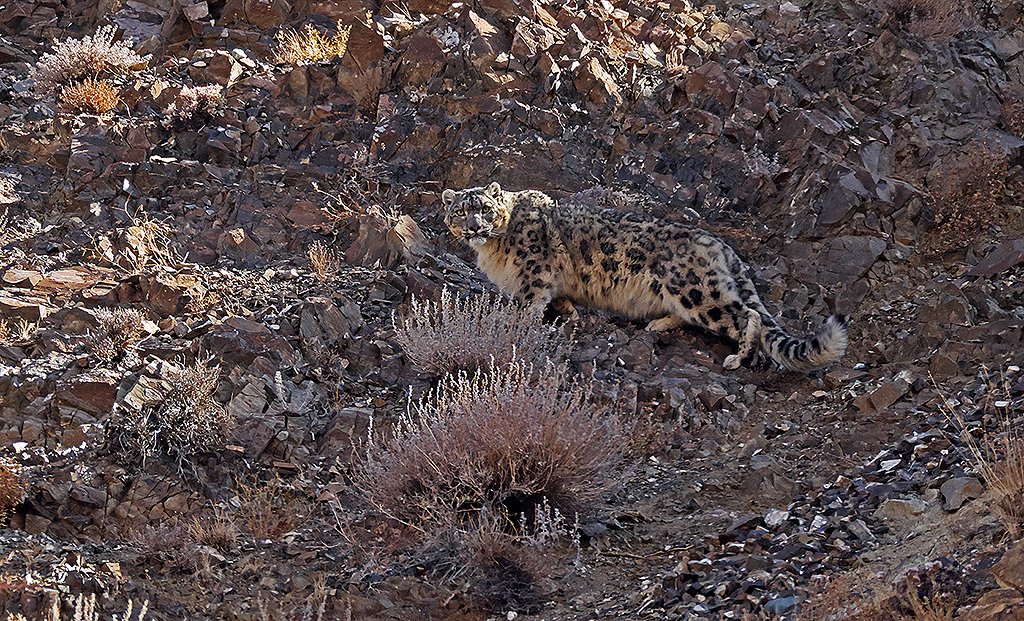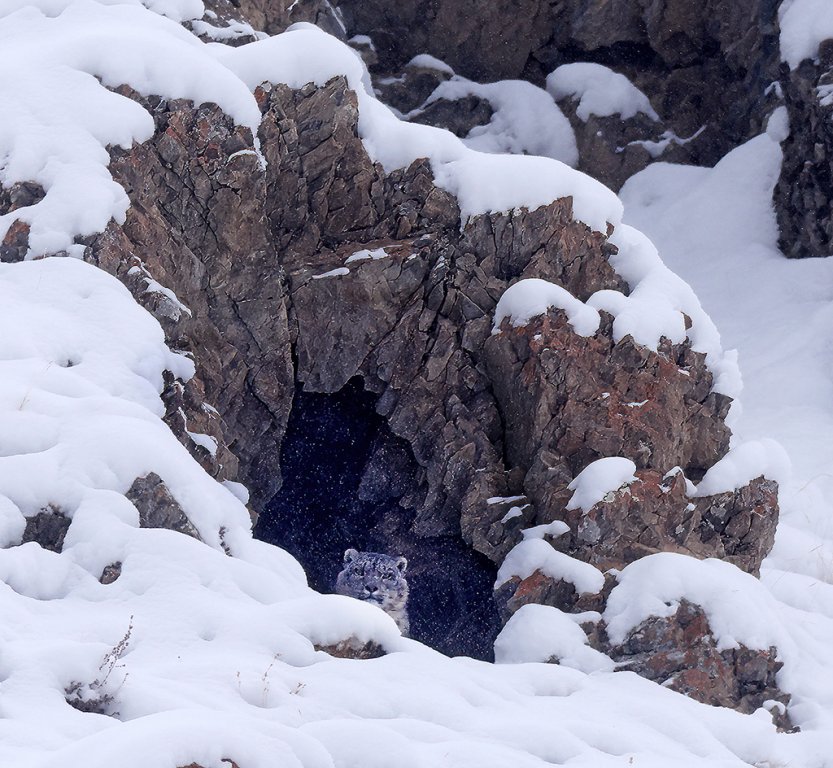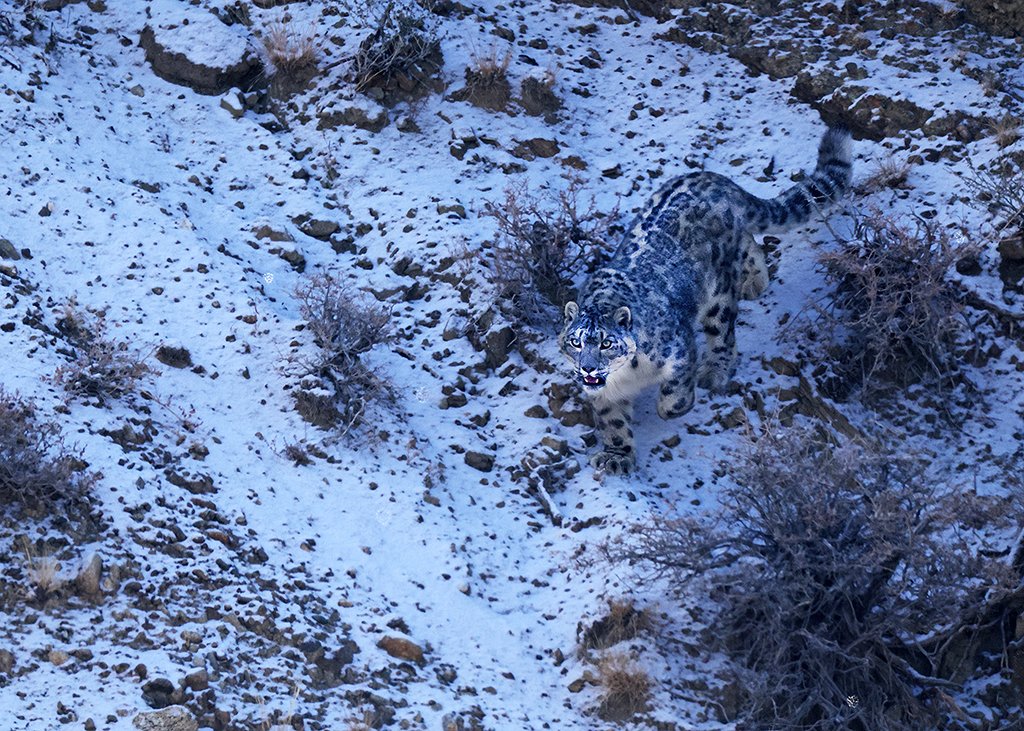
This is an adventurous journey across the wild and empty landscapes of Mongolia in search of legendary species such as snow leopards, Pallas’s cats, Przewalski’s horses, and many other fascinating animals.
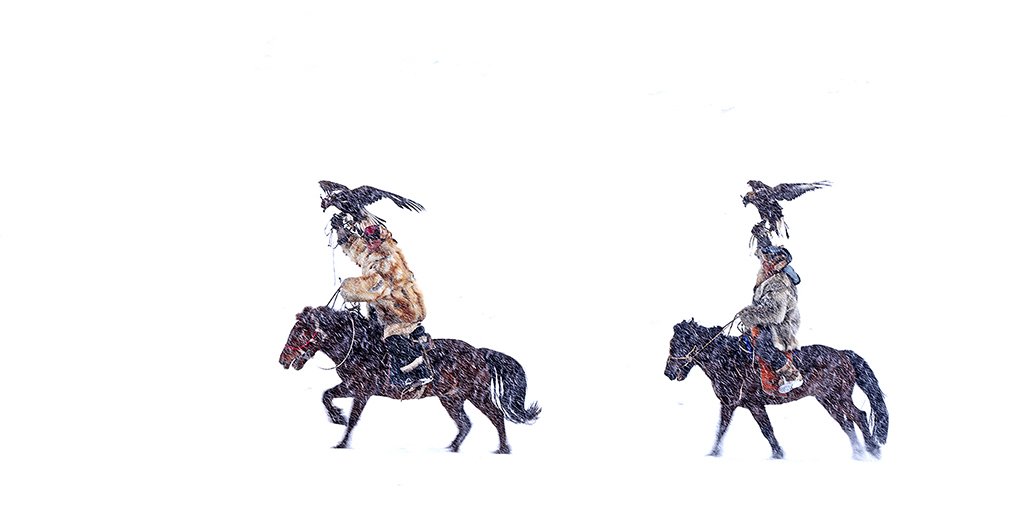
The very name Mongolia conjures images of endless grasslands, the wastelands of the Gobi Desert, yurts (the characteristic tents where we will stay), and wild horsemen. This is the country from which the hordes of Genghis Khan and his successors came, sweeping as a powerful wave over the civilizations of China, India, Central Asia, the Middle East, and Eastern Europe. Later, the Mongols’ influence in the world faded, and today Mongolia remains an unknown country, one we hear little about.
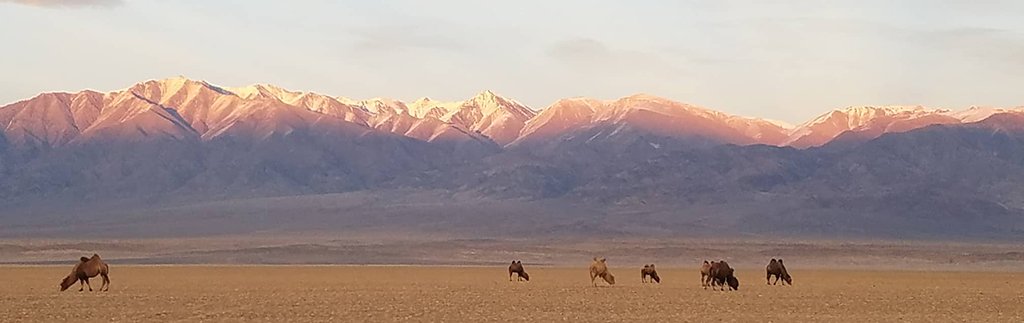
With its small population of only three million spread across an enormous area, it is one of the least densely populated countries on Earth – a true wilderness where most of the land is still dominated by wild creatures rather than humans. In the north lies the southern edge of the vast Siberian boreal forest (or taiga), in the center the seemingly endless steppes, and in the south the sands of the Gobi Desert. The Altai, Gobi Altai, Khangay, and Khentiy Mountains, together with a variety of lakes and marshes, add even more diversity.
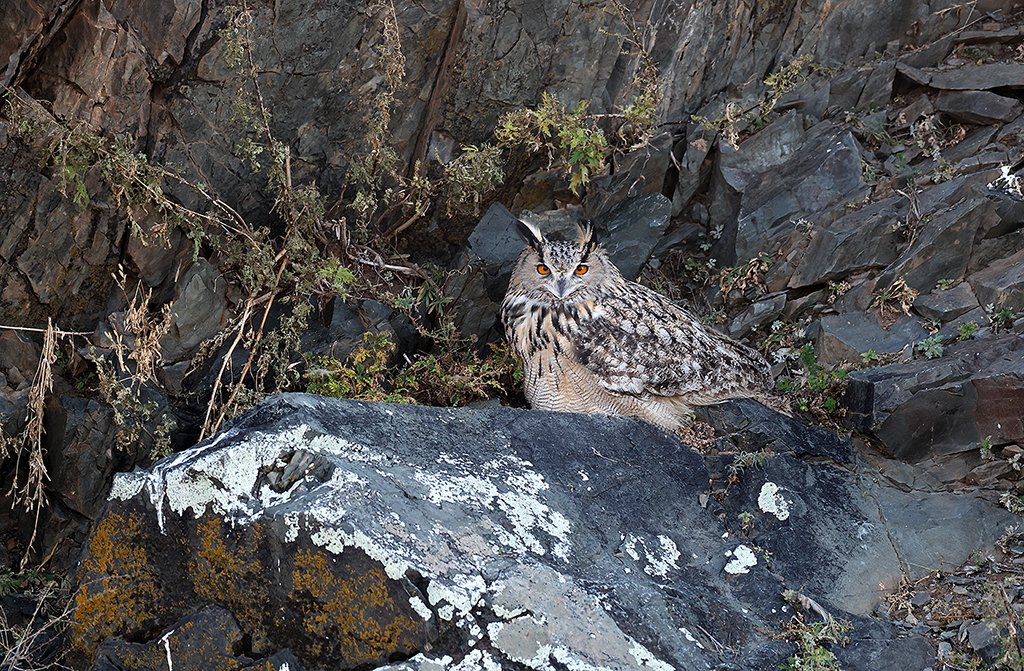
The wide range of habitats is reflected in an exciting fauna, including both Siberian and Central Asian species, as well as a number that are unique to Mongolia and its immediate surroundings.
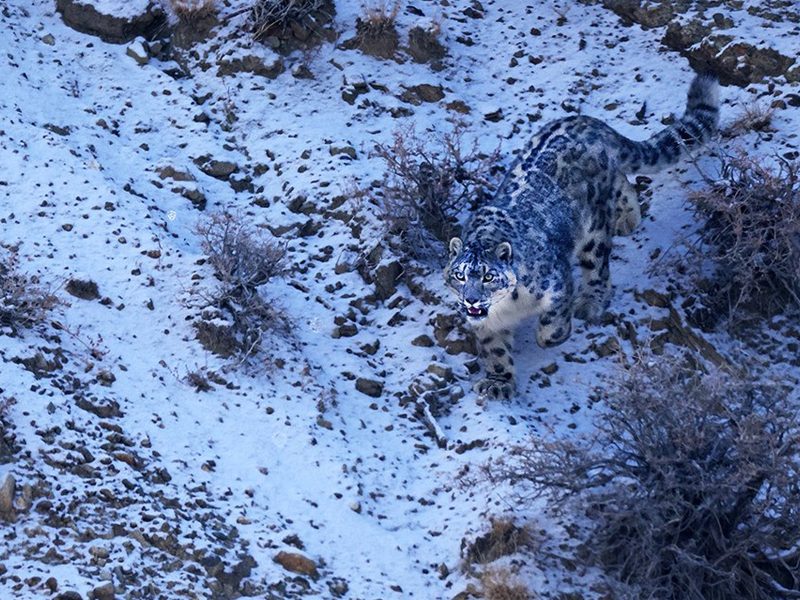
The Snow Leopard
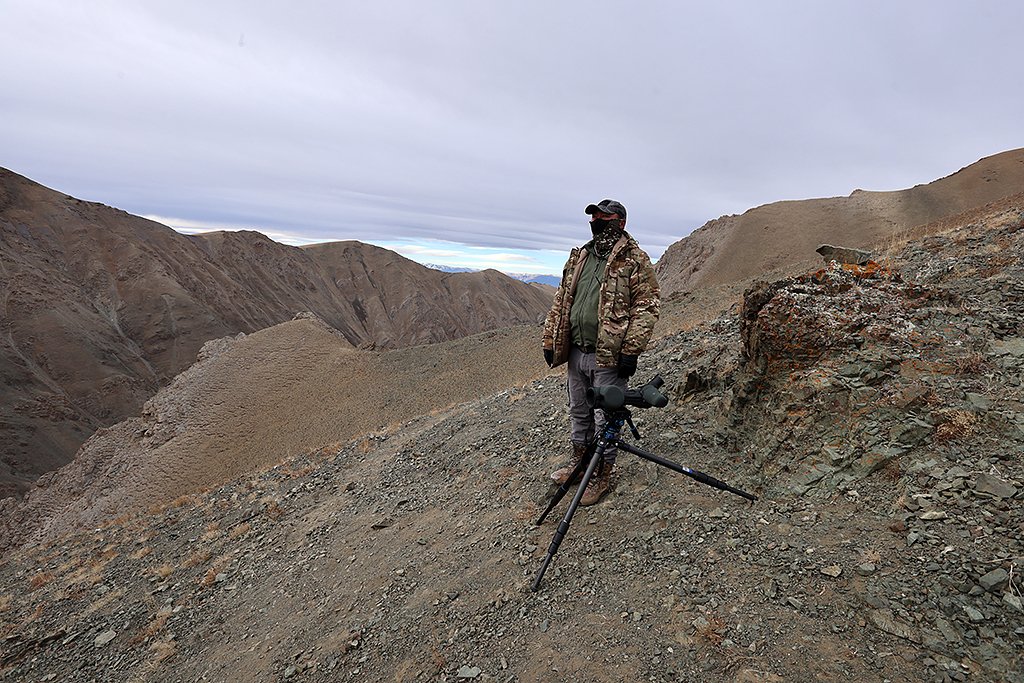
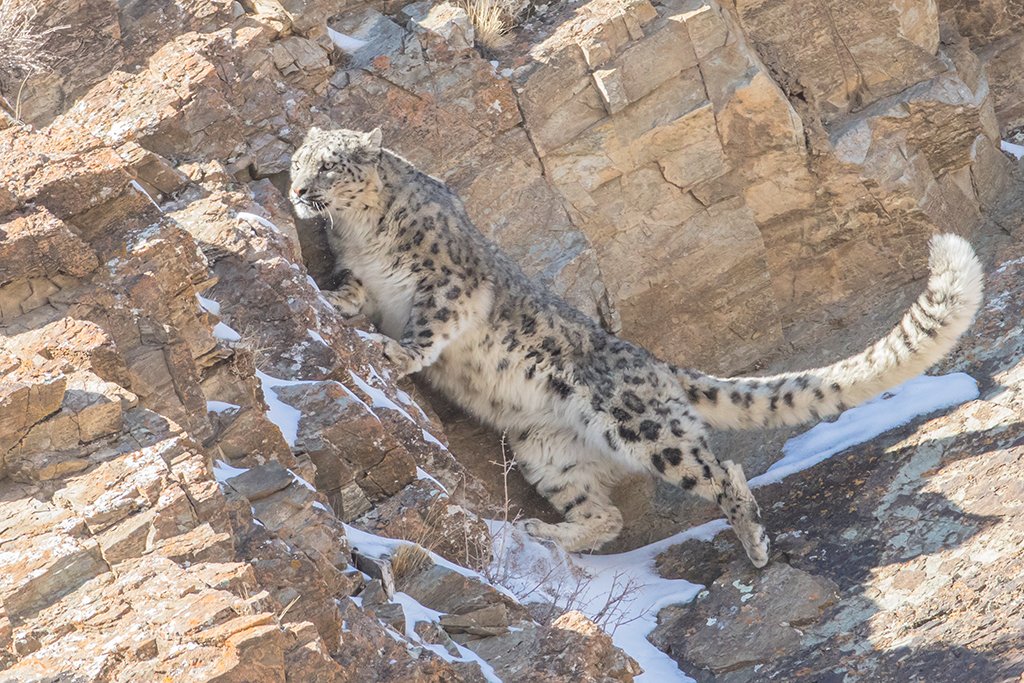
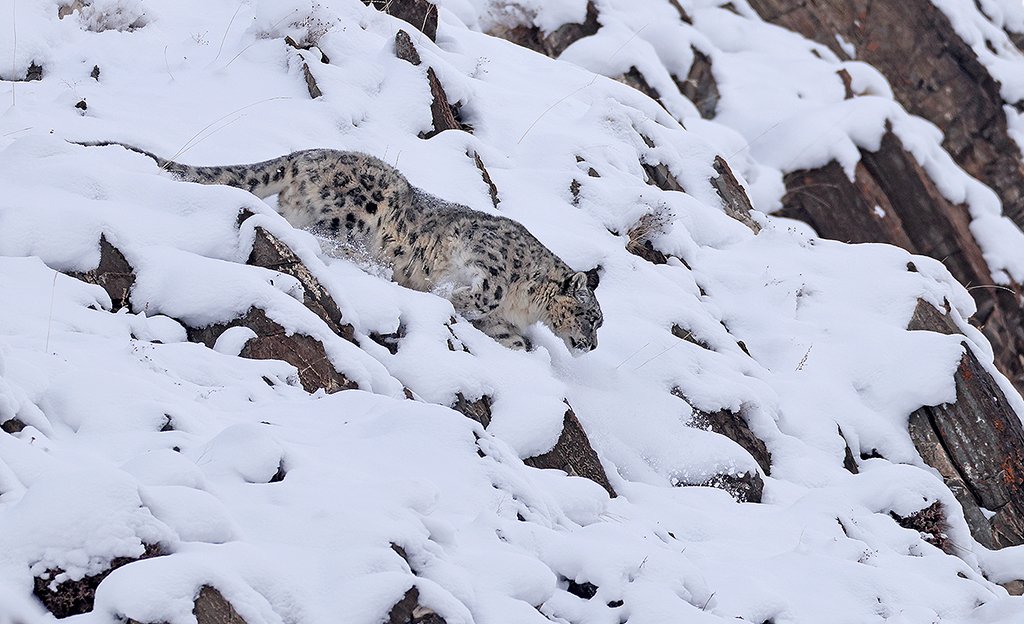
This trip focuses on three regions in Mongolia. From the capital, Ulaanbaatar, we fly far west to the small town of Khovd and then head into the remote Jargalant Mountains, part of the vast Altai region. Here we will spend several days searching for the snow leopard, the ghost of the mountains. The great thing about snow leopards in Mongolia is that they live far lower than in the Indian Himalayas. This means we avoid the problems of altitude sickness. Moreover, we can drive very close to the main observation areas for this mysterious cat. Another advantage is that we are there in October, and the temperature is like an autumn day back home – not bitterly cold like the Himalayas in March.
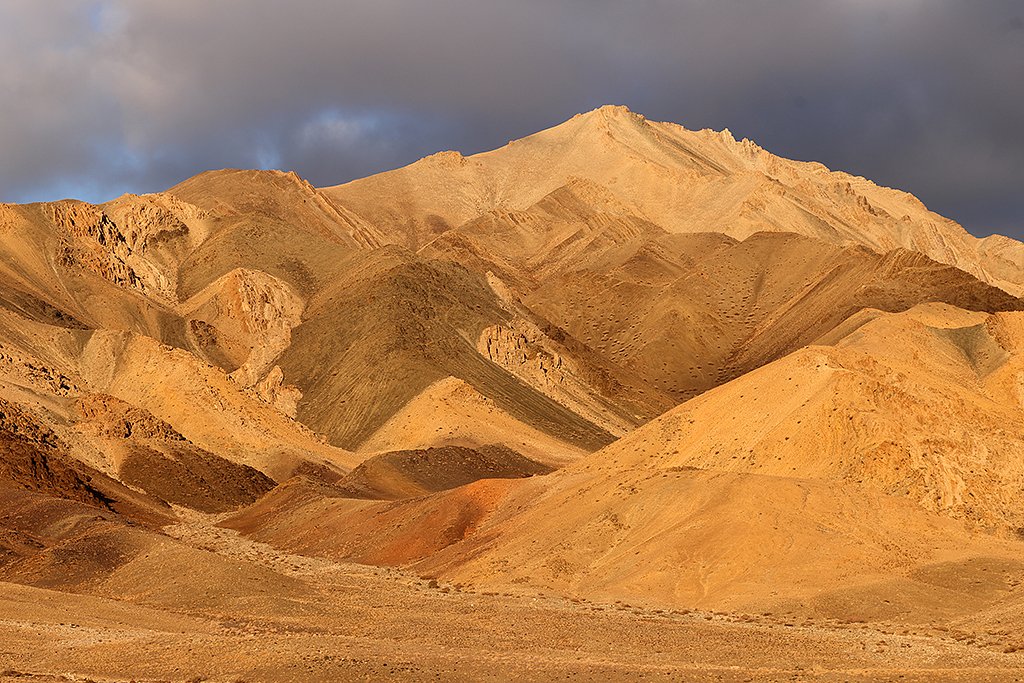
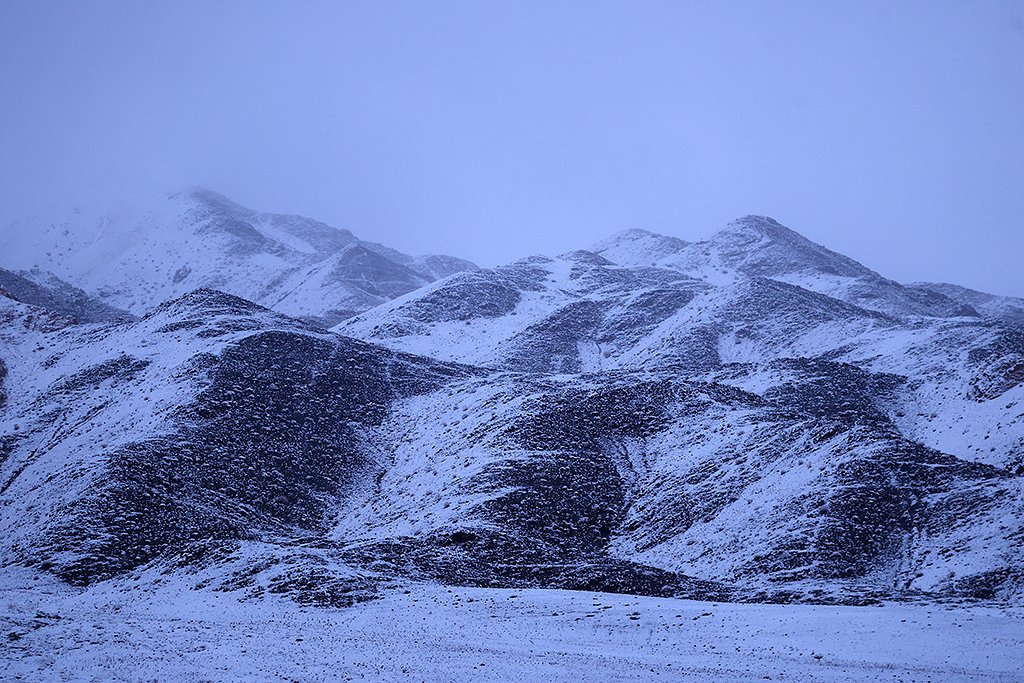
The wild mountain landscapes of the Altai provide an absolutely stunning backdrop for our search for the “ghost of the mountains”! With five full days, we have plenty of time to search for snow leopards and other interesting mammals and birds. It would be extremely surprising if we failed to see a snow leopard during our visit to Jargalant. Around 35 snow leopards are estimated to live in the Jargalant Mountains.
Snow leopards usually give birth in June or early July, and by early autumn the cubs have grown significantly and can leave the dens, making it possible to spot females with one or more young in tow. In addition, snow leopards generally begin descending from higher altitudes and less accessible summer habitats to lower areas where they will spend the winter. Early autumn tends to be better for observations than the summer months in Jargalant.
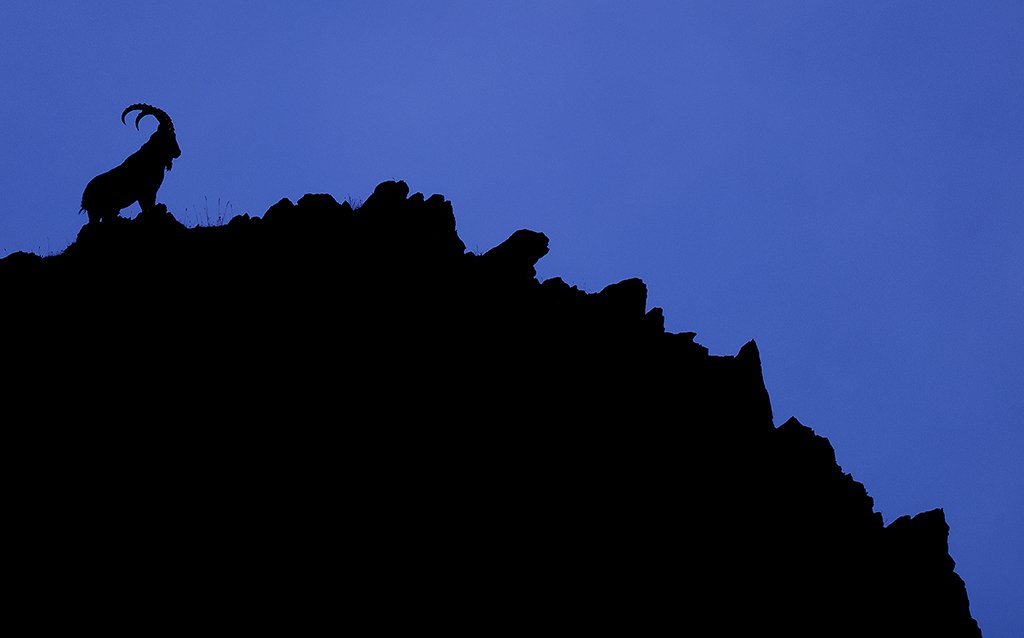
The main prey of snow leopards in Jargalant is the Siberian ibex and the less numerous argali, the world’s largest wild sheep. Tarbagan (or Siberian) marmots and other mammals and birds are also common prey. Even the charming little Pallas’s pika may be seen.
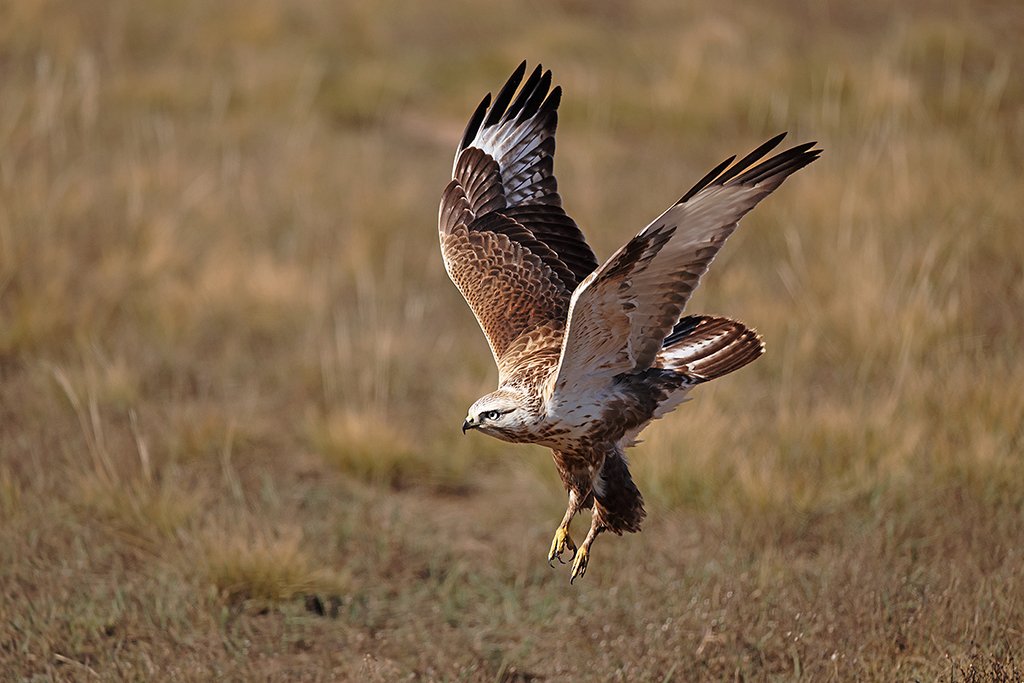
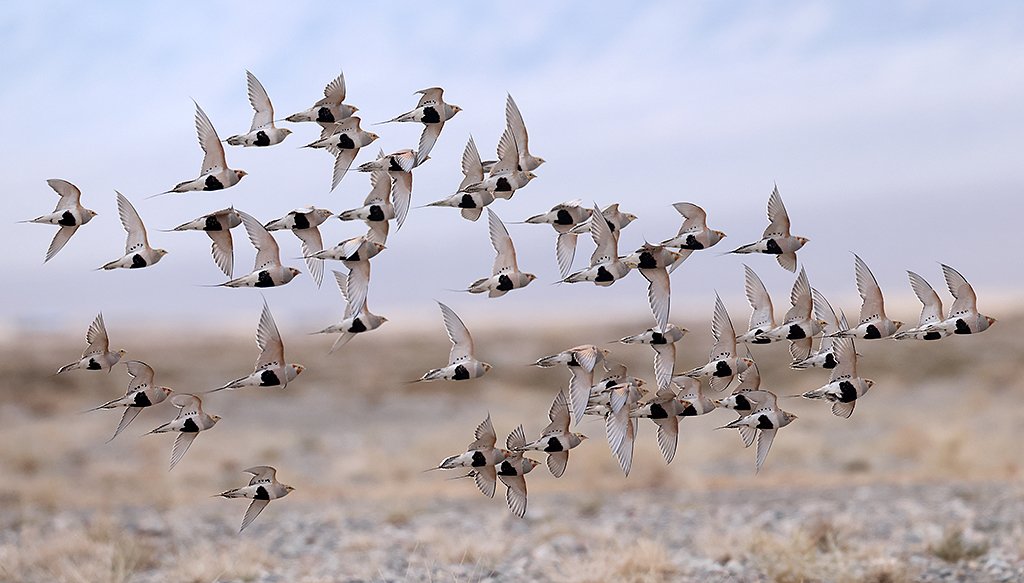
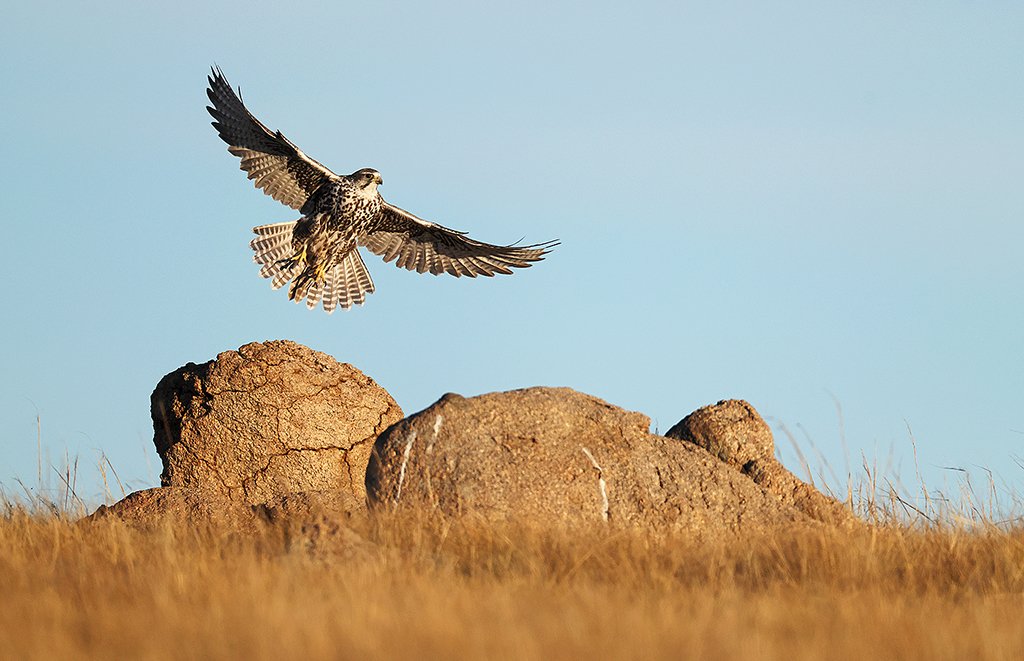
In addition to the iconic snow leopard, we may encounter its main prey, including Siberian ibex, argali, and tarbagan marmots, while at lower altitudes we might see gazelles and perhaps the bizarre saiga antelope. We also hope to see Altai snowcocks and Siberian accentors, as well as Mongolian gulls, Pallas’s sandgrouse, Mongolian larks, and several others.
The Pallas’s Cat
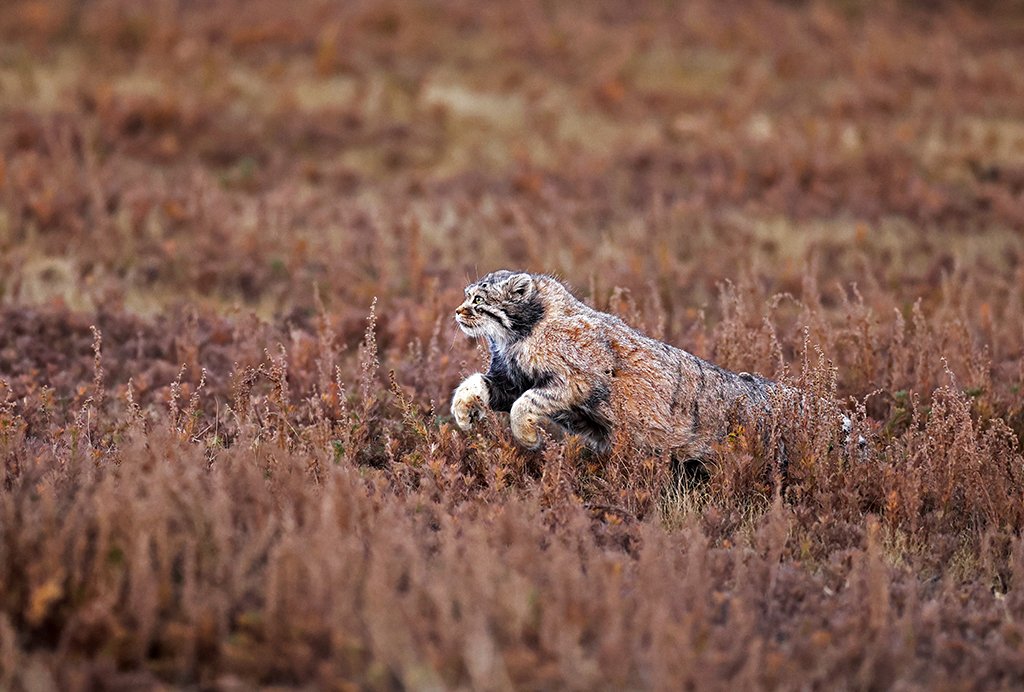
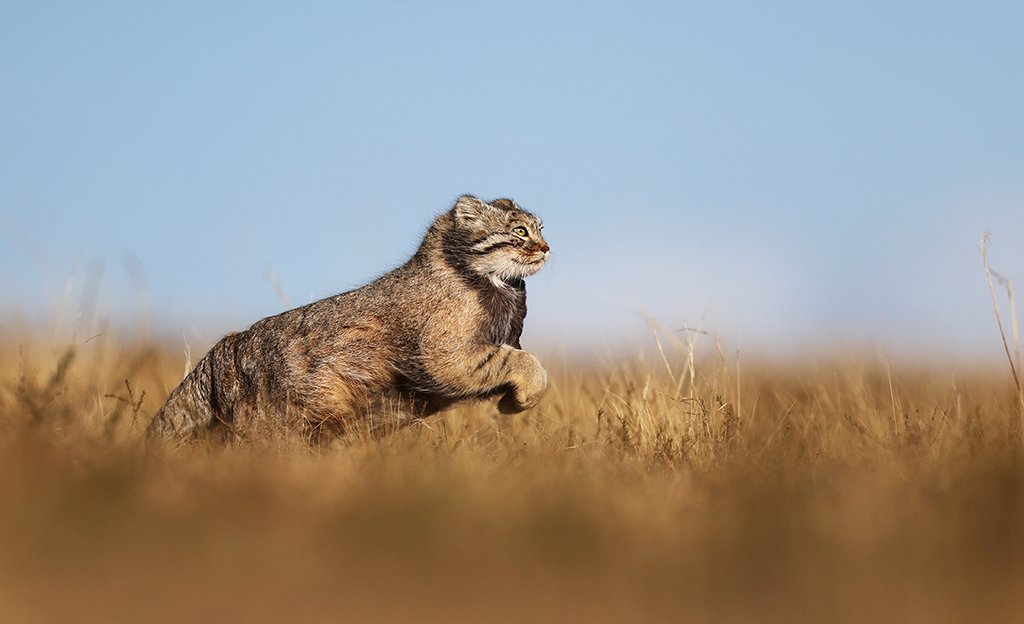
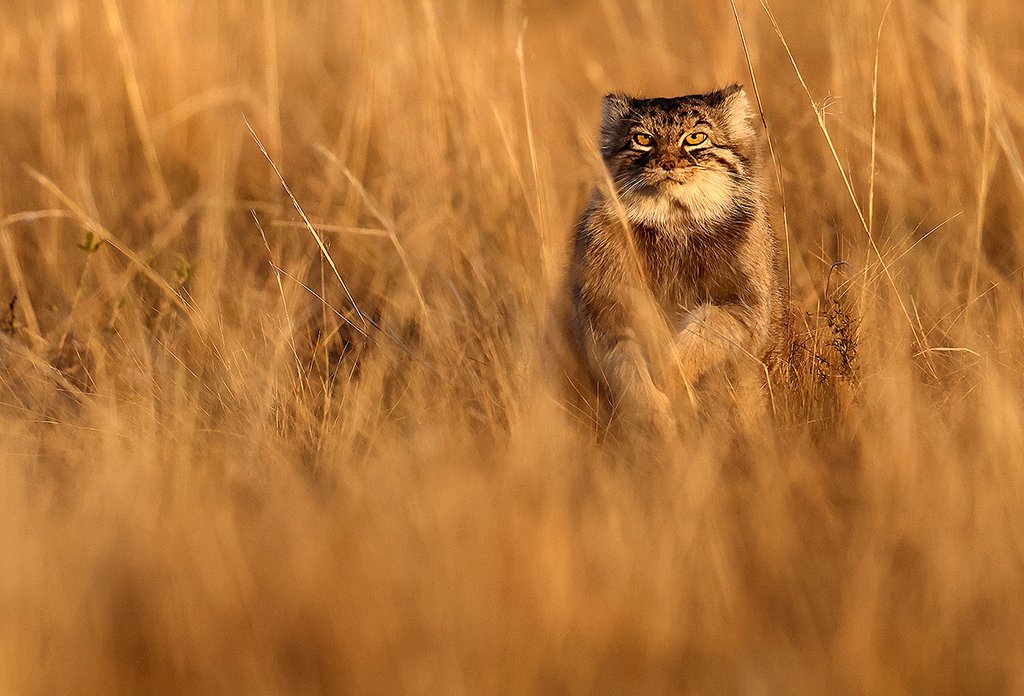
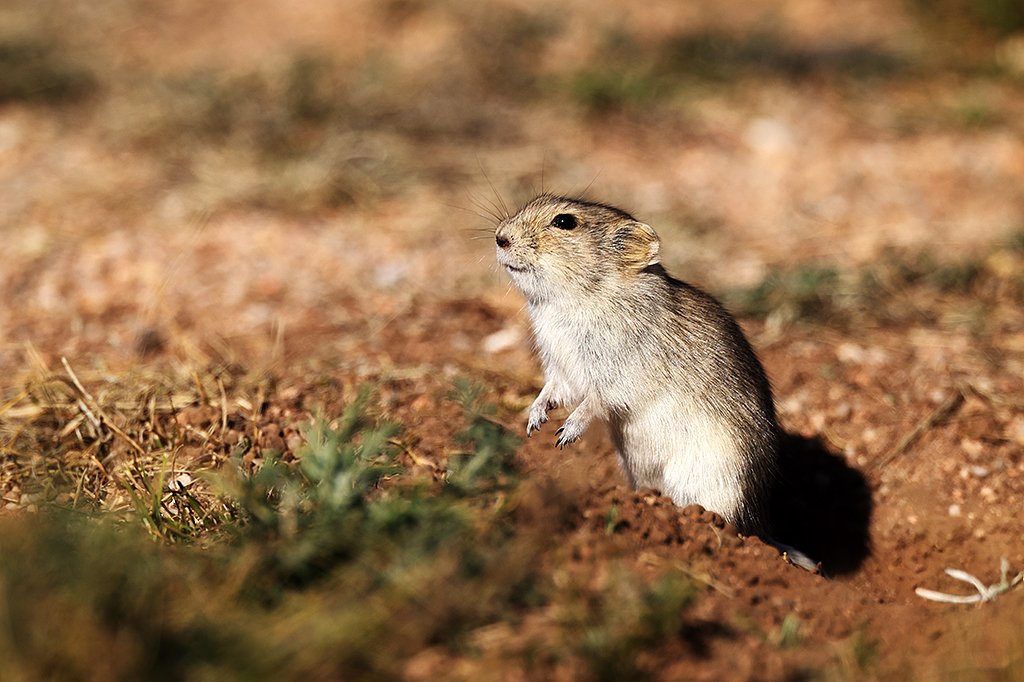
After exploring the Altai Mountains, we travel to eastern Mongolia, to a large area of steppe interspersed with rocky terrain. Here there is a high density of the incredible Pallas’s cat, giving us excellent opportunities to photograph this unique feline. We may also see and photograph steppe foxes, ground squirrels, and various bird species, perhaps even the beautiful Azure-winged magpie.
The Pallas’s cat is about the size of a domestic cat, weighing approximately 2–5 kg, but it gives a noticeably different and more compact impression than a housecat. Body length is roughly 45–65 cm, with a tail measuring about 20–35 cm. Shoulder height is usually 28–35 cm. The legs are very short, and the claws on the paws are shorter than normal for small cats. The Pallas’s cat has a broad, short head with very small, rounded ears. The eyes are large and yellowish, with pupils that, like the big cats, are round. The fur is extremely dense, fluffy, and long – the longest among all wild cats – giving the animal a very distinctive appearance. The fur is grizzled, with colors ranging from grey-beige to grey-brown and reddish-orange with white tips, giving it a frosty look.
The Pallas’s cat lives on dry steppes in Central Asia, hence its Norwegian nickname “steppe cat.” It is most numerous in Mongolia and Inner Mongolia. The species thrives in dry climates and on rocky, mountainous steppe covered with grass and shrubs, typically at elevations between 440 and 5,593 meters above sea level.
Hustai
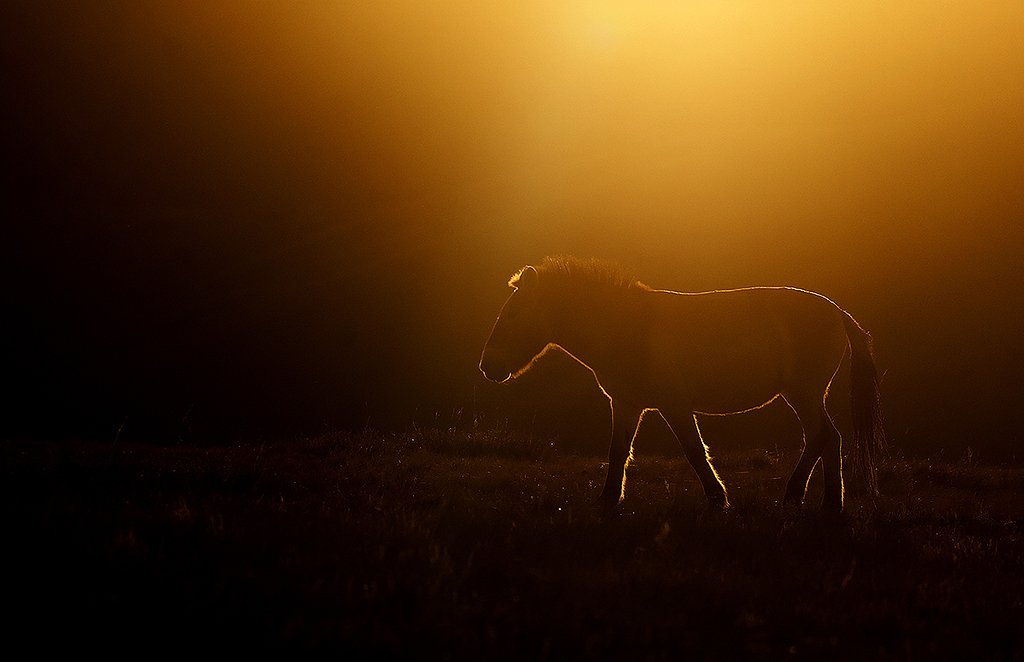
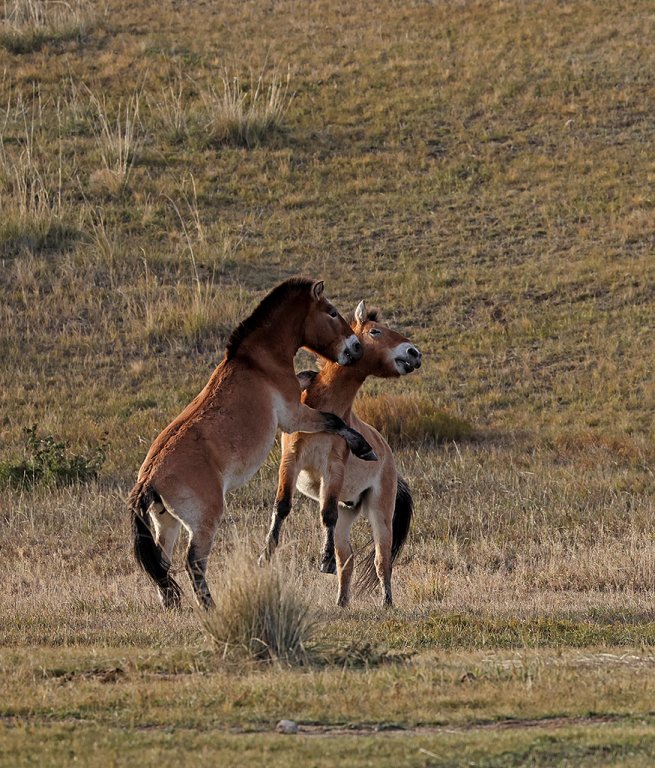
Finally, we visit Hustai National Park, where we will photograph the Przewalski’s horse, considered the original wild horse and ancestor of all domestic horse breeds. Wolves may also be present. Hustai National Park covers around 50,000 hectares of steppe with rocky ridges and open forest. It is a beautiful location.
The Przewalski’s horse was declared extinct in the wild in 1969, and it was only thanks to zoos and private collections in the West that the species could be saved. It was reintroduced to Hustai from 1992 onwards, and today about 400 live in the wild in the park. Hustai is now the only place in the historical range of the Przewalski’s horse where it has been successfully reintroduced. The horses are fortunately easy to find, and we are guaranteed to encounter some stallions with harems and foals during our visit. Another prominent mammal in Hustai is deer, which graze in the open steppe rather than staying in the forest.
The species here are not as easy to photograph as, for example, the animals in Kenya, where you can simply drive up to an animal, park, and take close-up photos. Be aware that distances can be large, making long telephoto lenses advantageous – especially when searching for the snow leopard. There may be a lot of waiting, and it can be cold. This trip is an optimal exploration of Mongolia. Take the opportunity to experience this country with us.
Accommodation and Transport
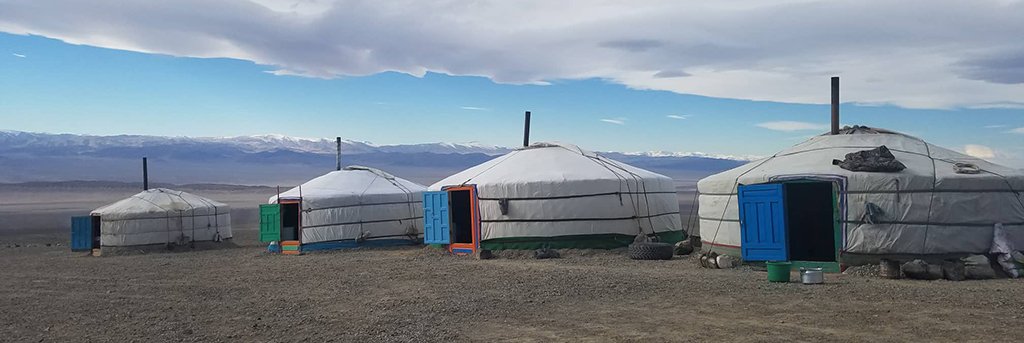
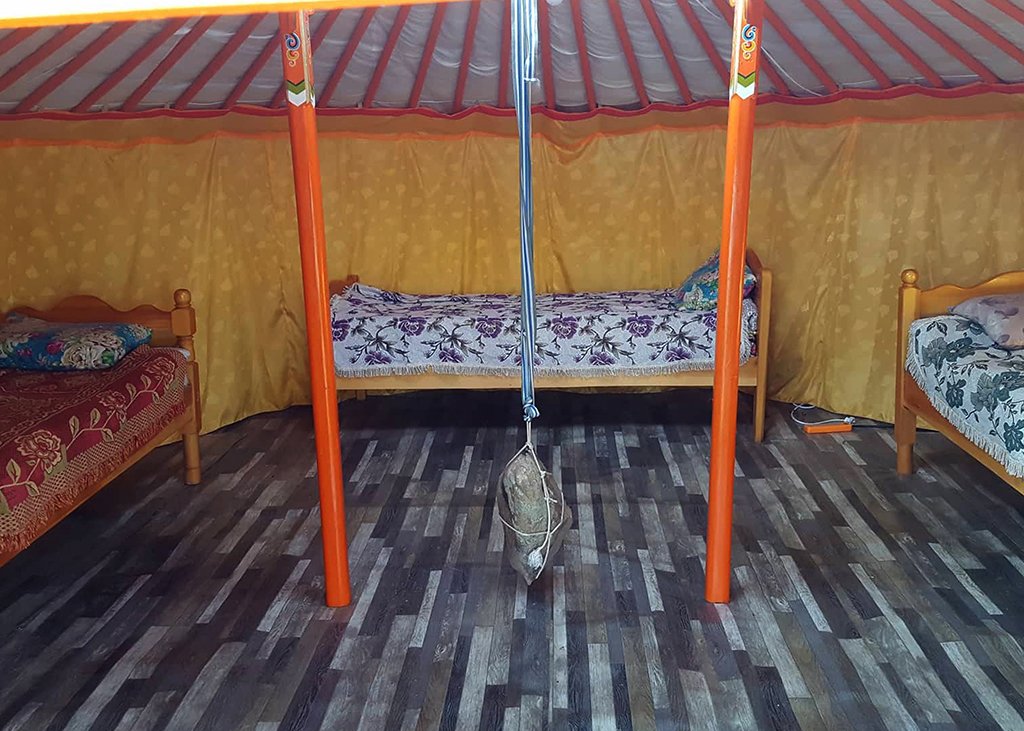
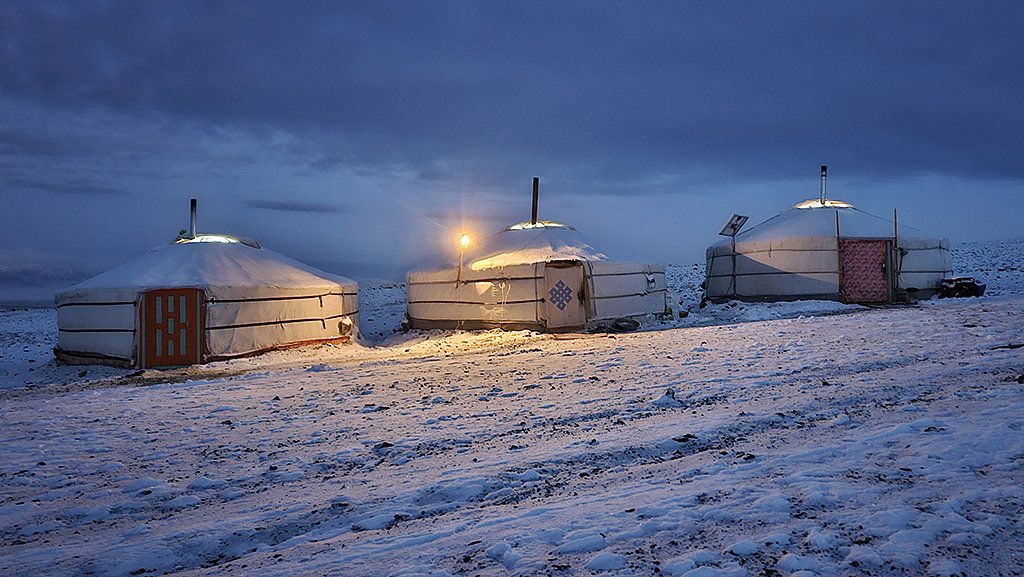
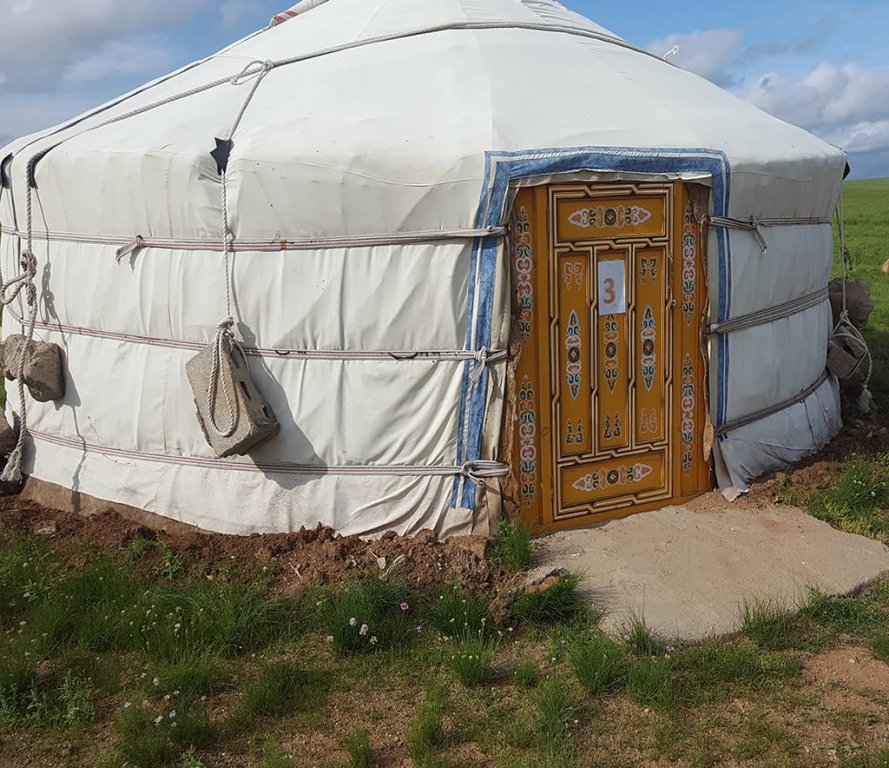
The ger camps used in the Jargalant Mountains and Pallas’s cat areas consist of traditional yurts that have been used by Mongolian nomads for thousands of years. Each yurt has two beds complete with pillow, sheets, and duvet. In cold weather, they are heated with a small wood or coal stove. There is a separate dining yurt with tables and chairs. Washing facilities are very basic, and toilets are outhouses. In Hustai, the “tourist ger camp” is fixed and more comfortable, with larger gers including nice furniture, a large dining area, and proper toilet and shower blocks. Roads are generally poor. Our transport consists of sturdy 4×4 vehicles.