Date

Place

Difficulty

Spots

Price

India Special: Tiger, Sloth Bear, and Red Panda

In February–March 2027, Natur&Foto invites you on an India Special. We will visit two of India’s best tiger reserves – Tadoba and Pench. In addition, we will go to Daroji Bear Sanctuary to photograph sloth bears, and travel up into the Himalayas, between Nepal and Bhutan, to photograph the rare red panda in Singalila National Park, located between 2,500 and 3,500 meters above sea level. This will be a truly special and unique India safari!

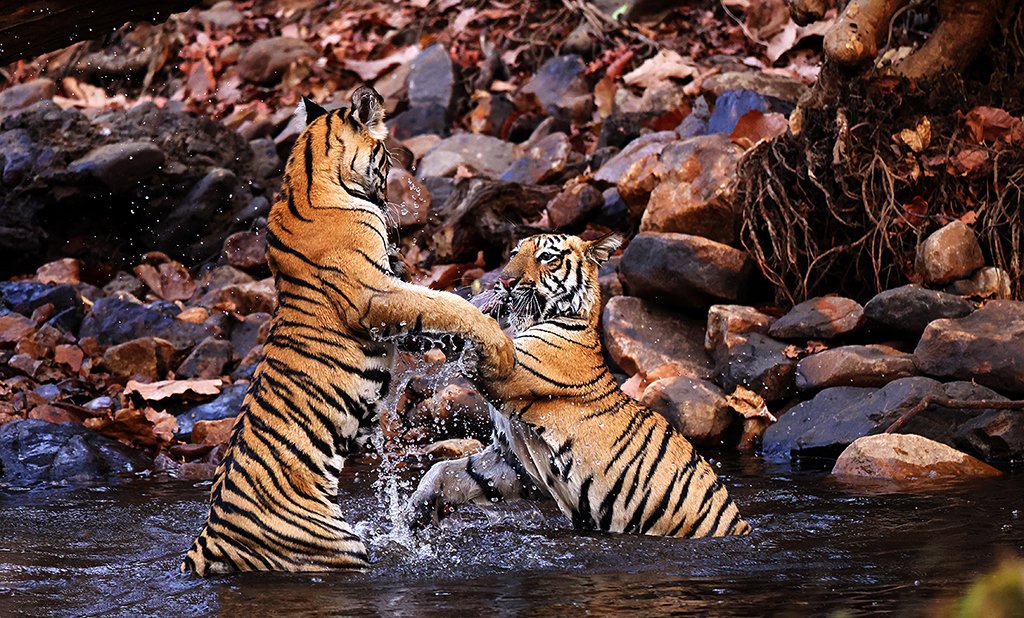
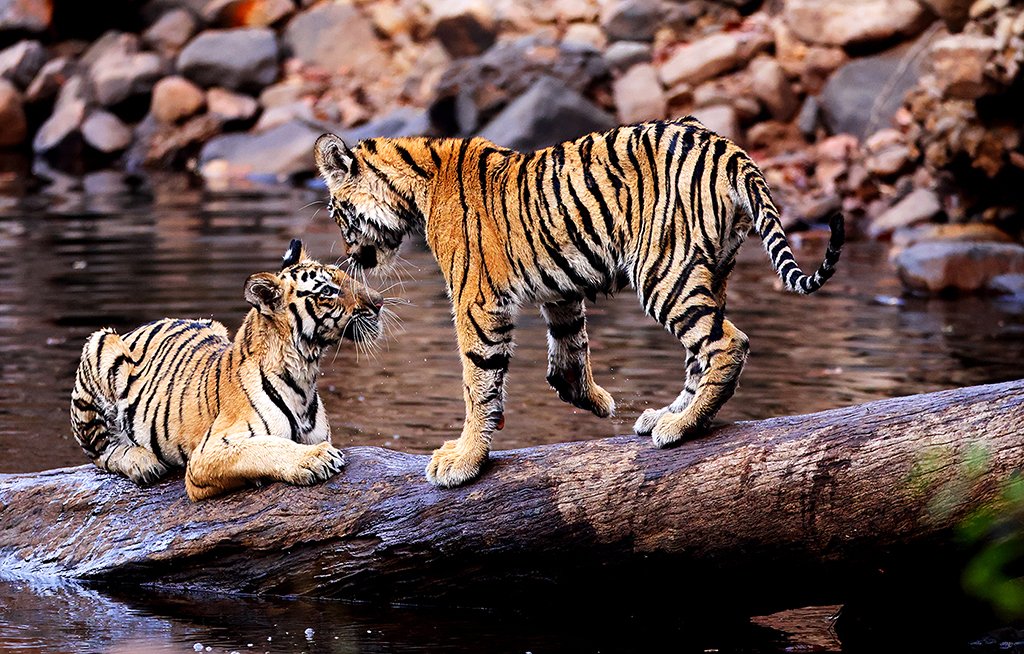
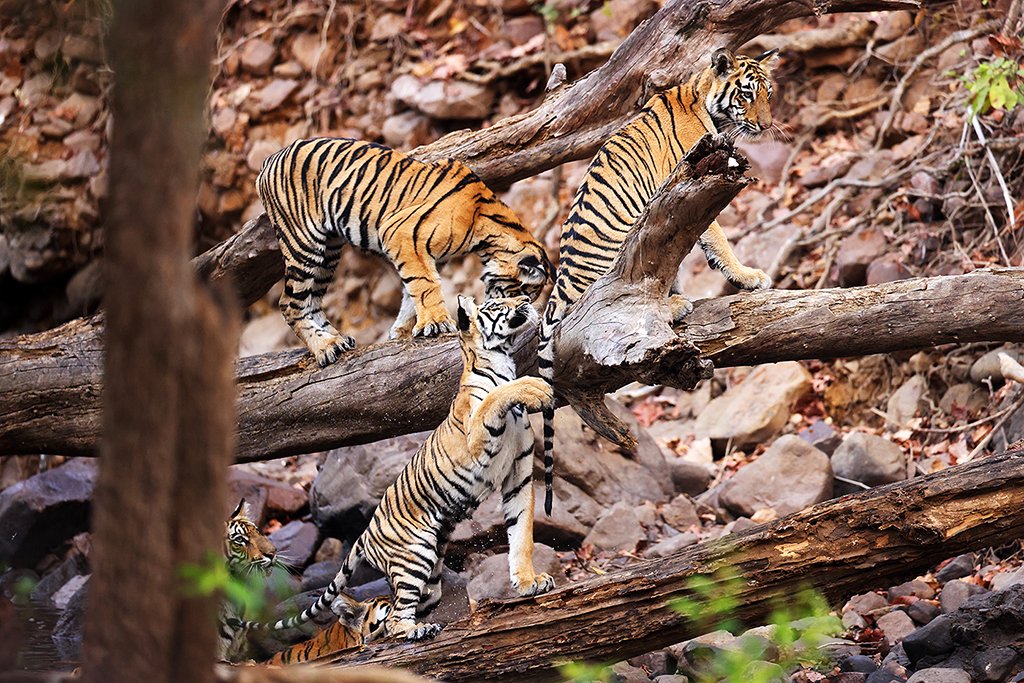
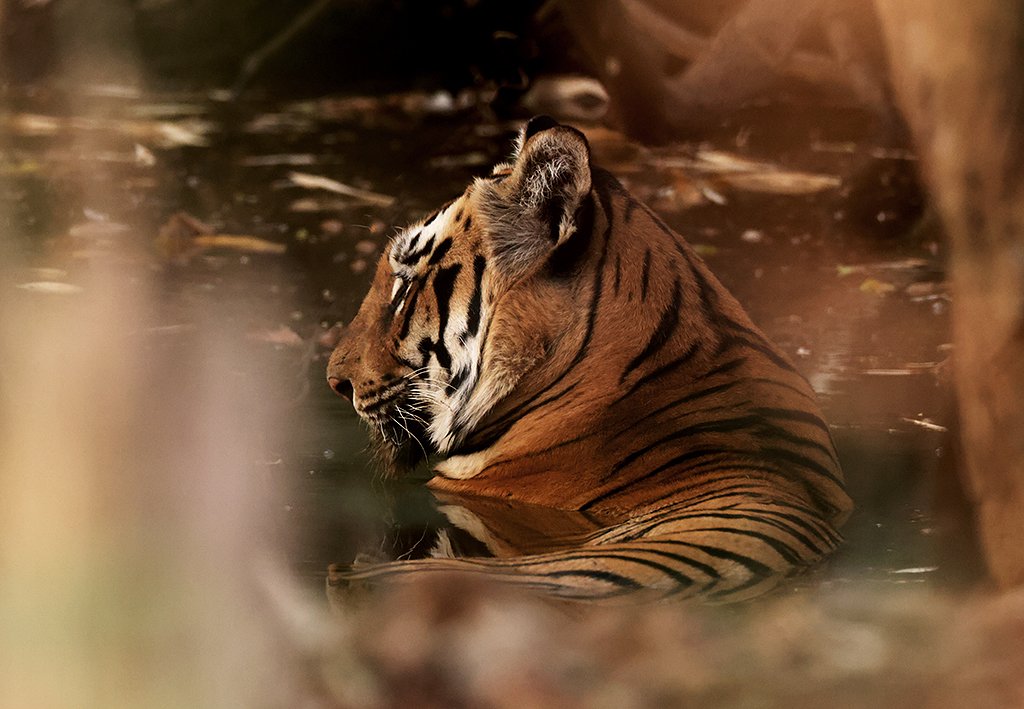
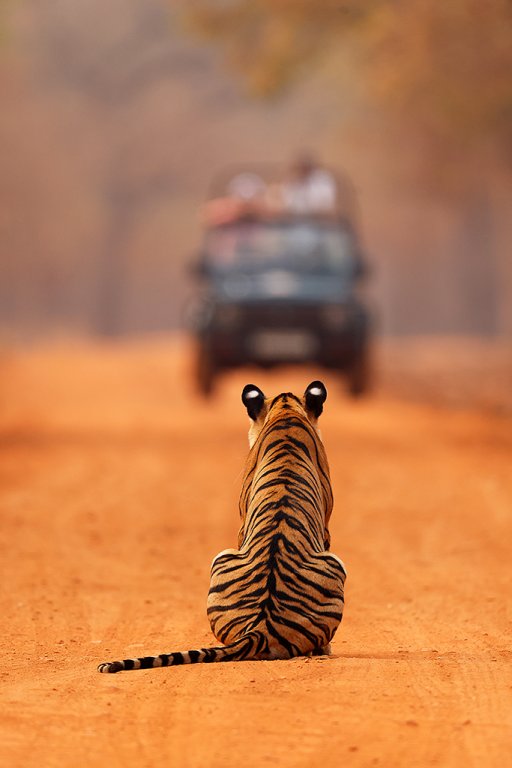
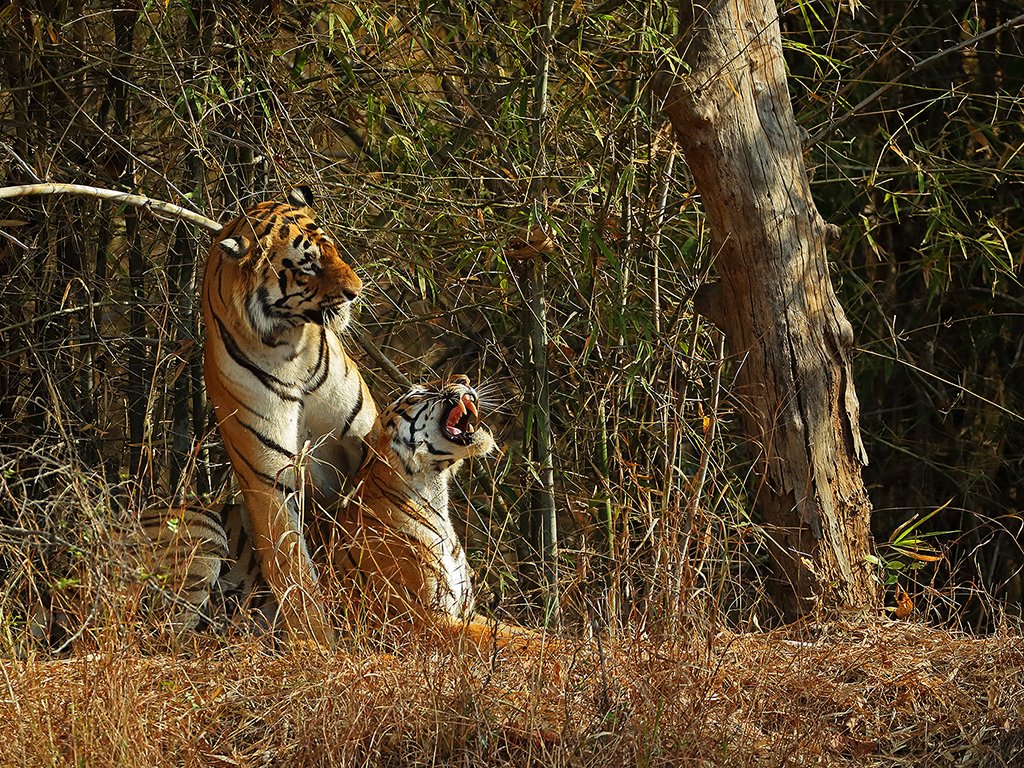
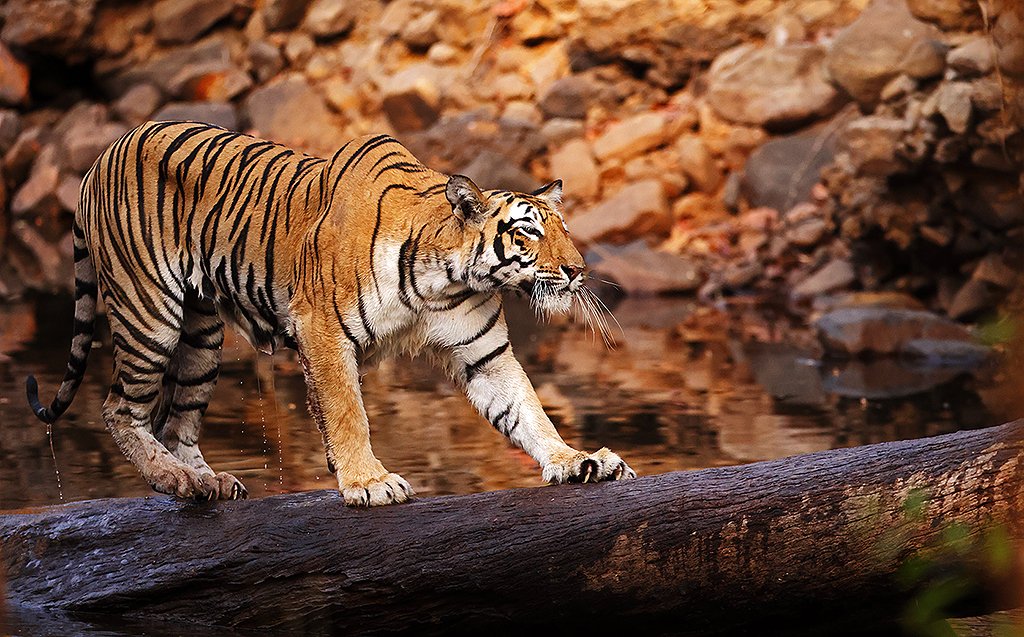
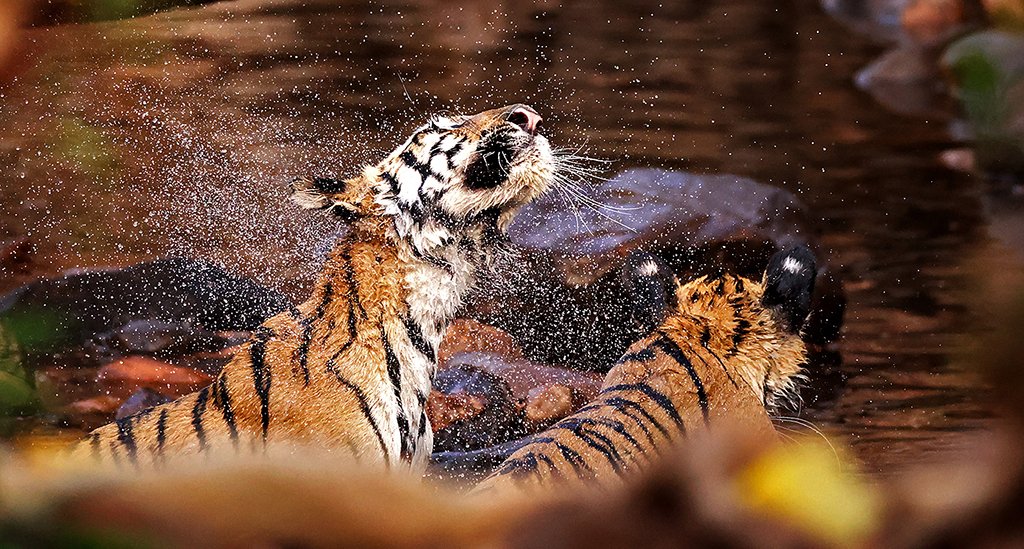
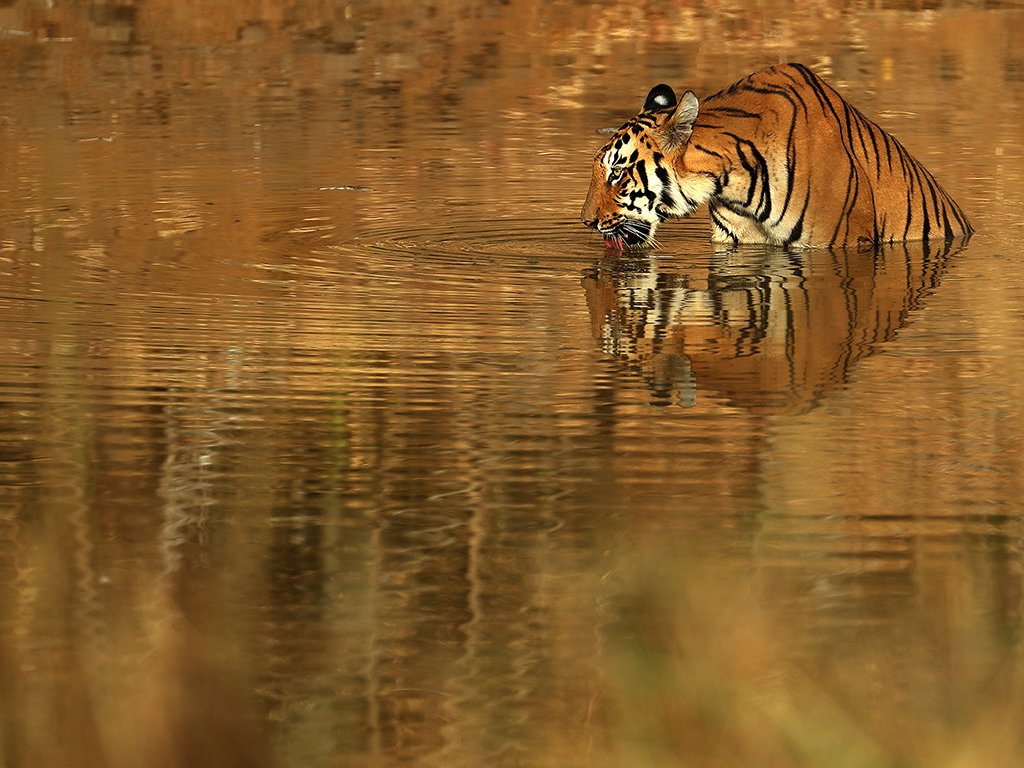
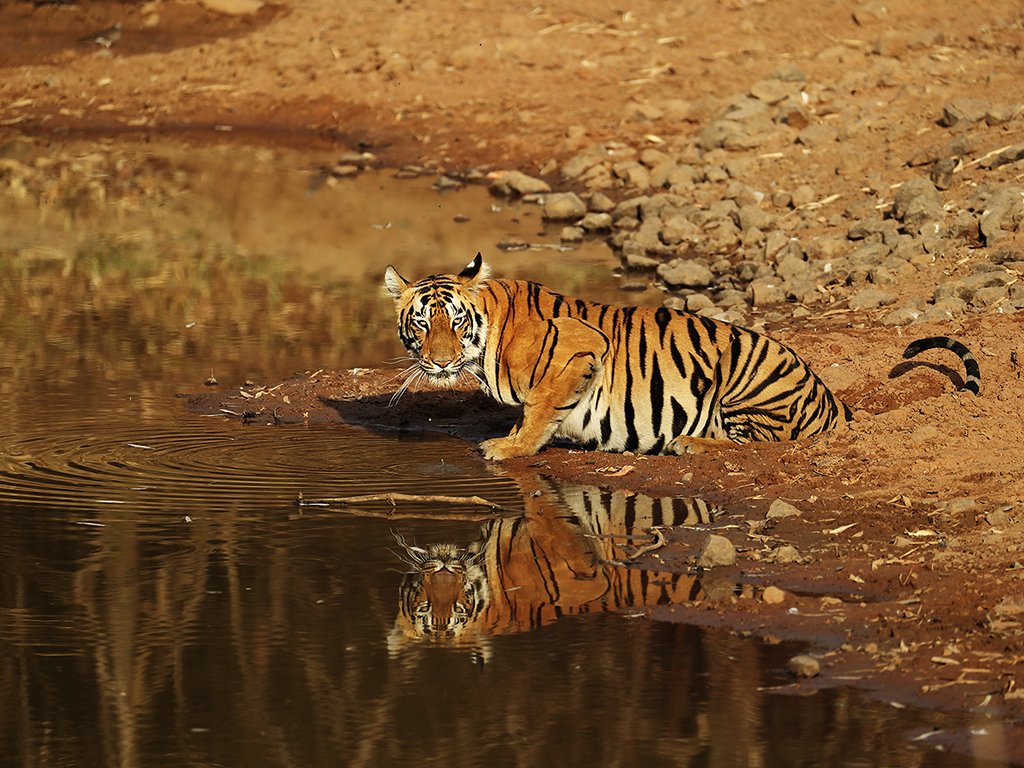
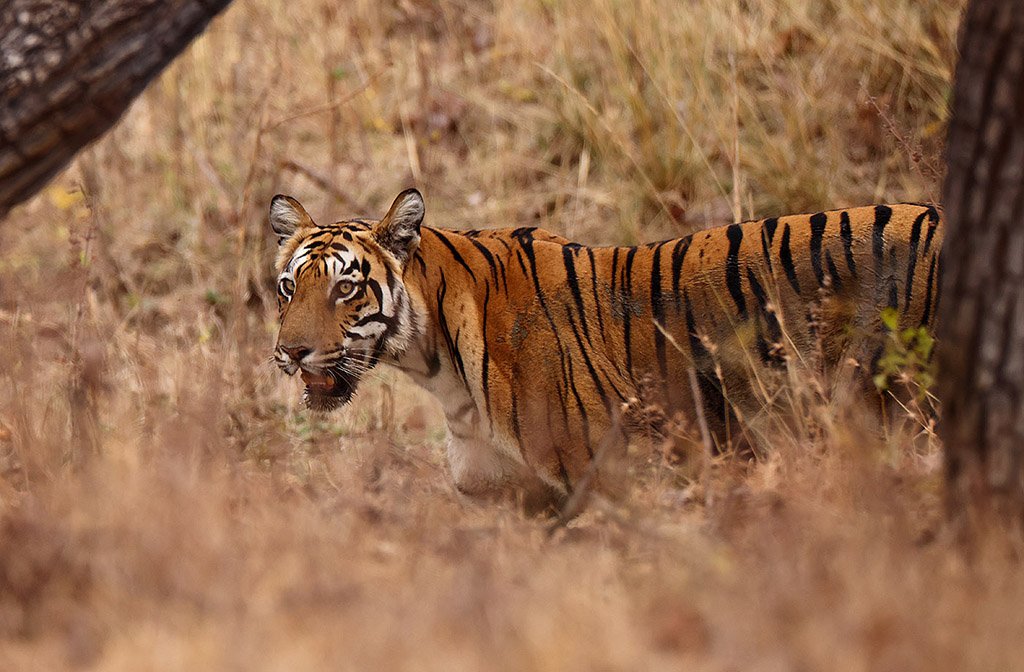
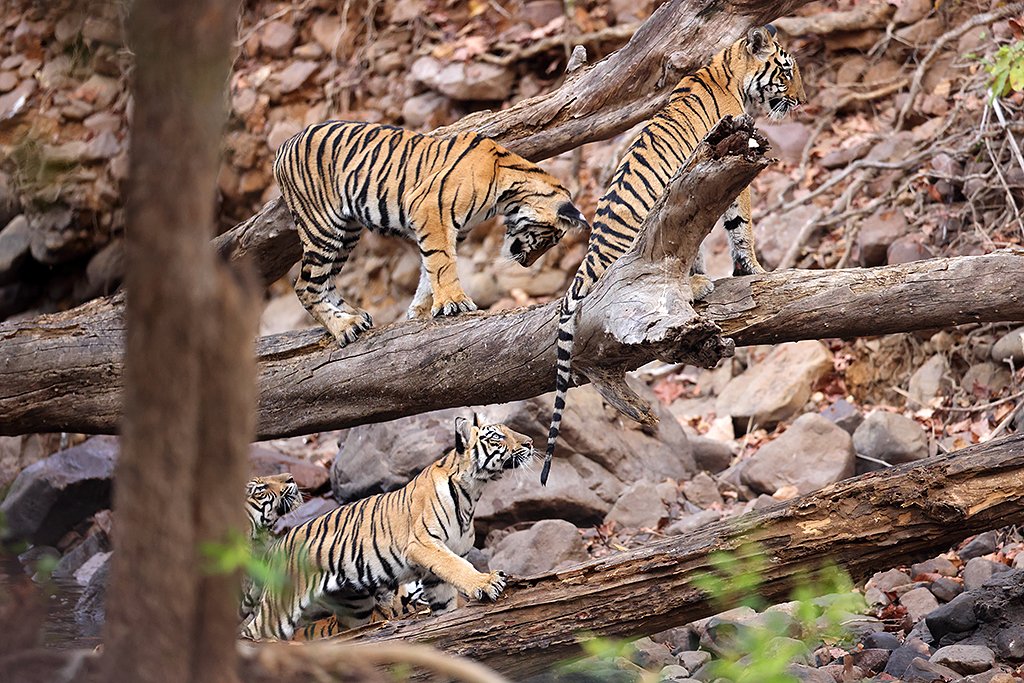
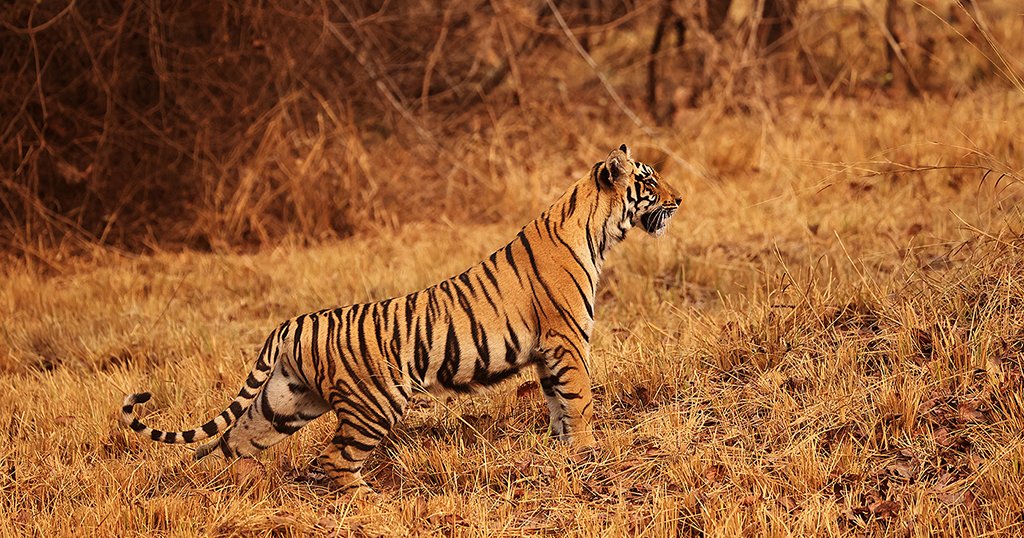
Tiger

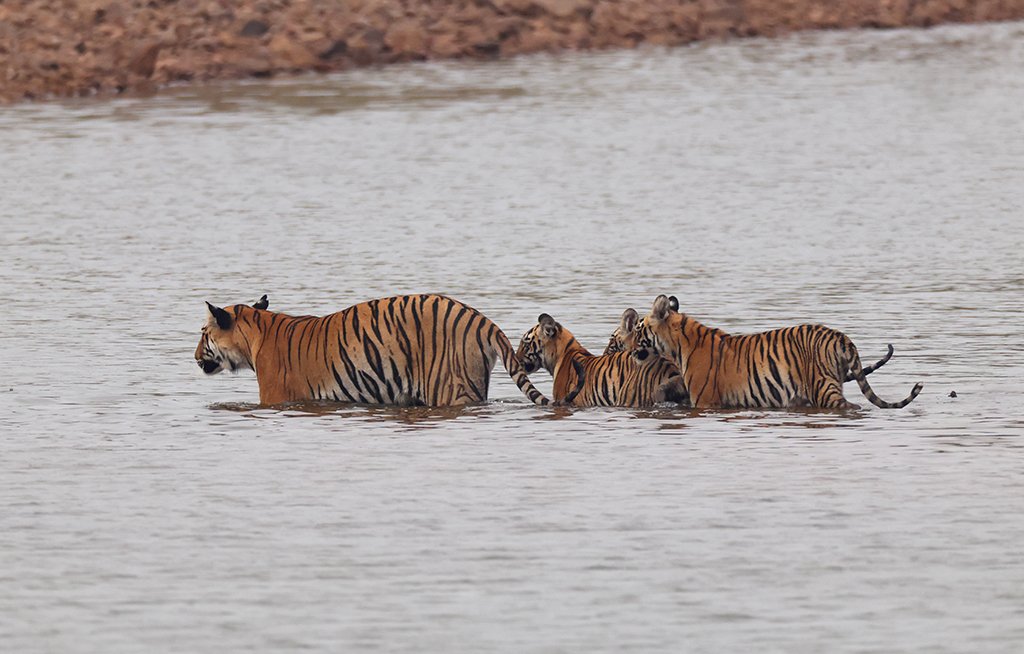
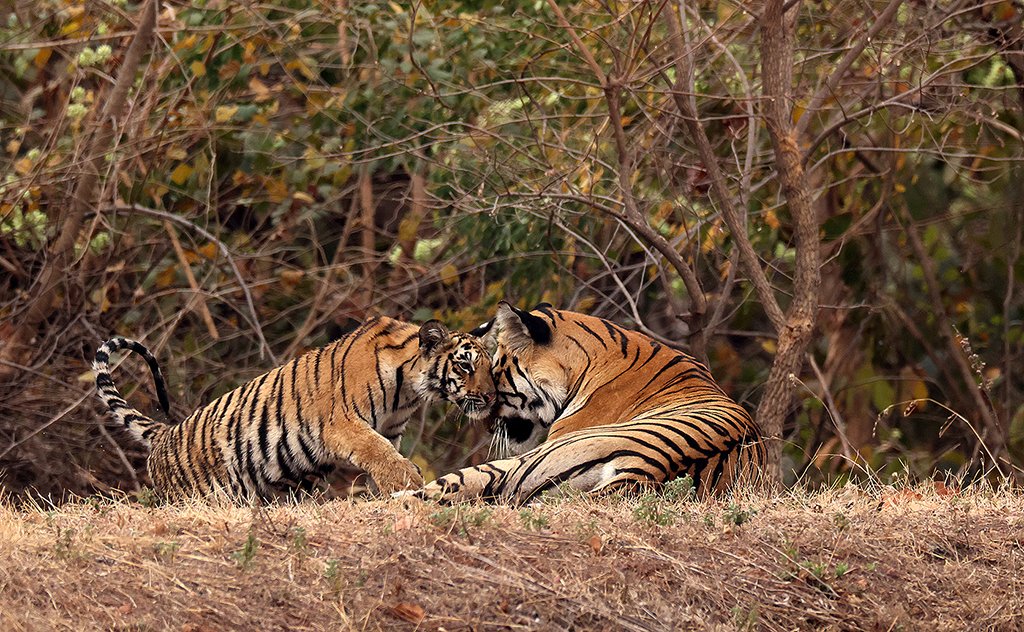
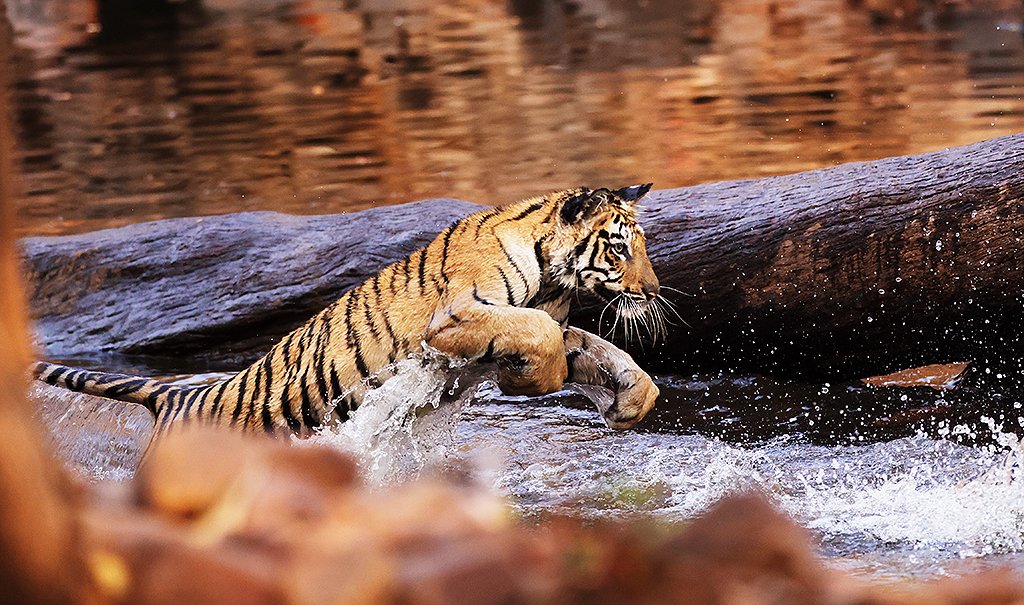
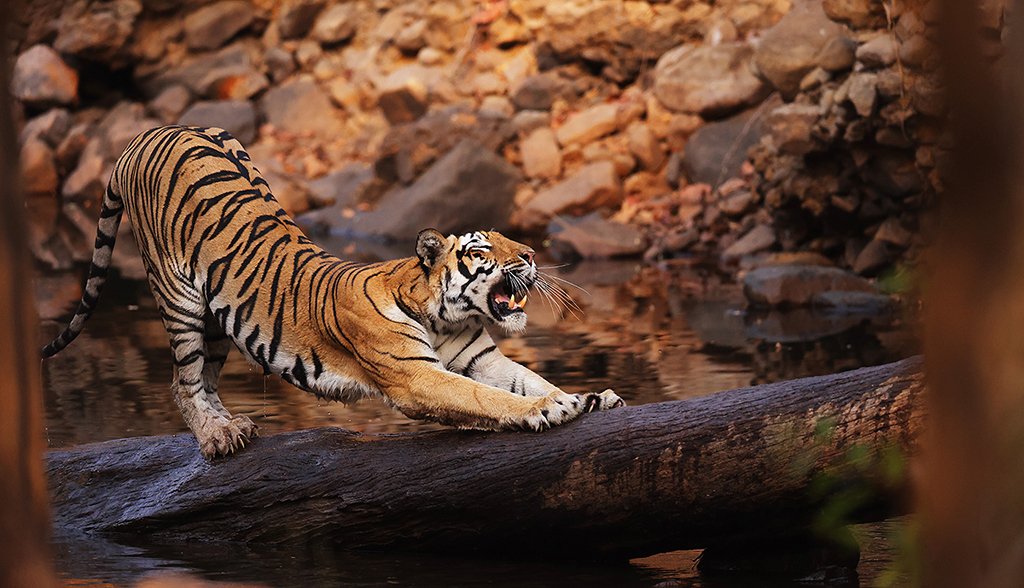
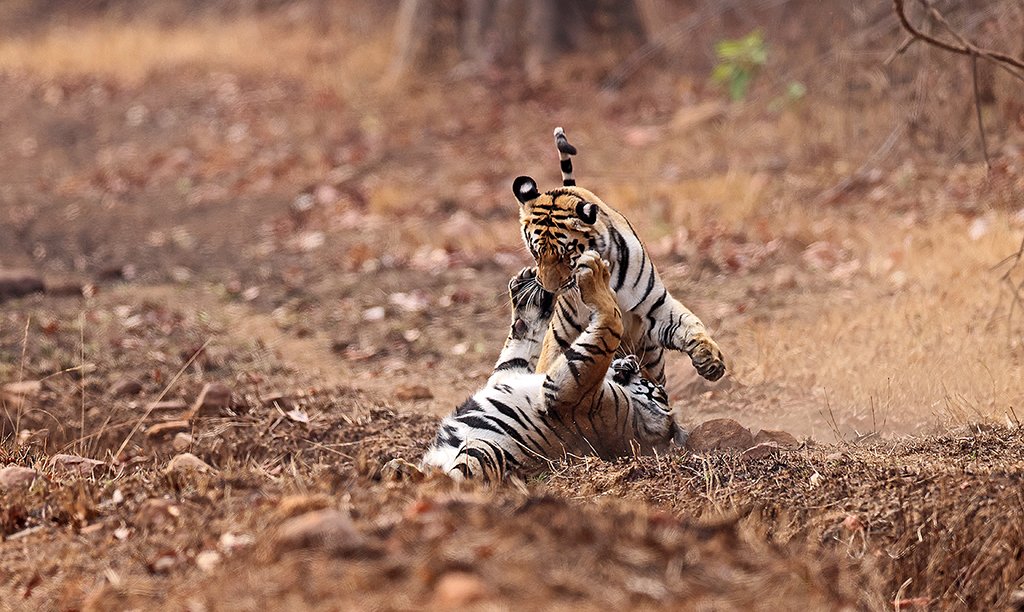
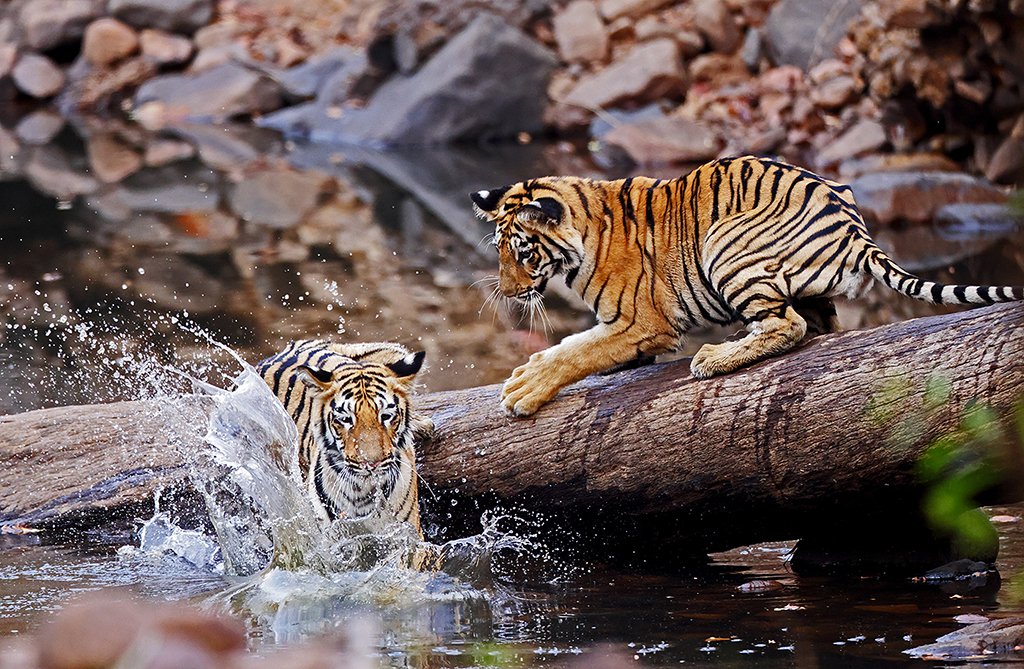
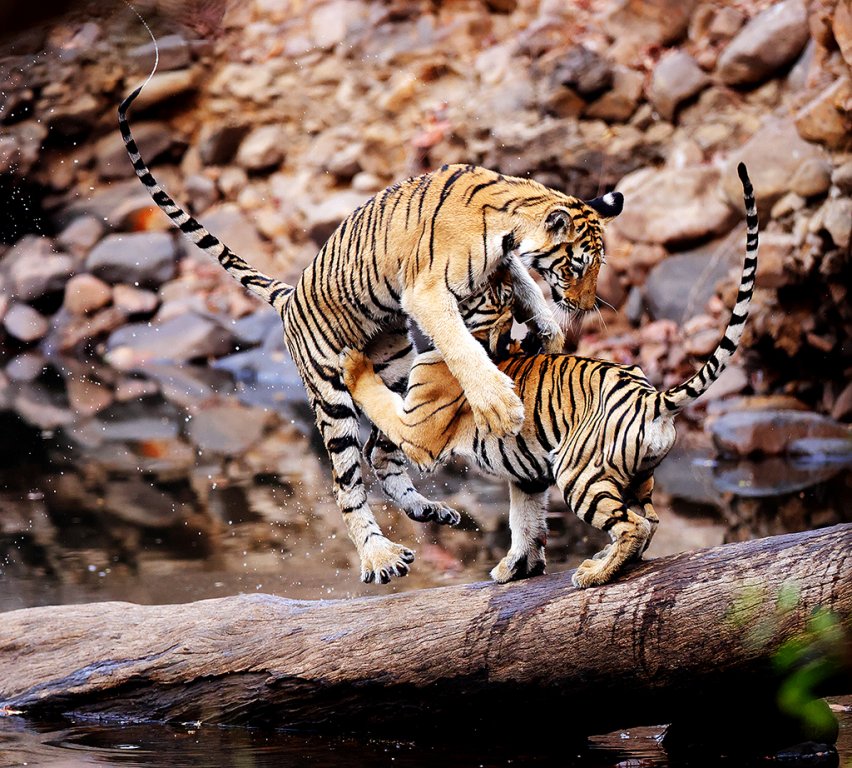
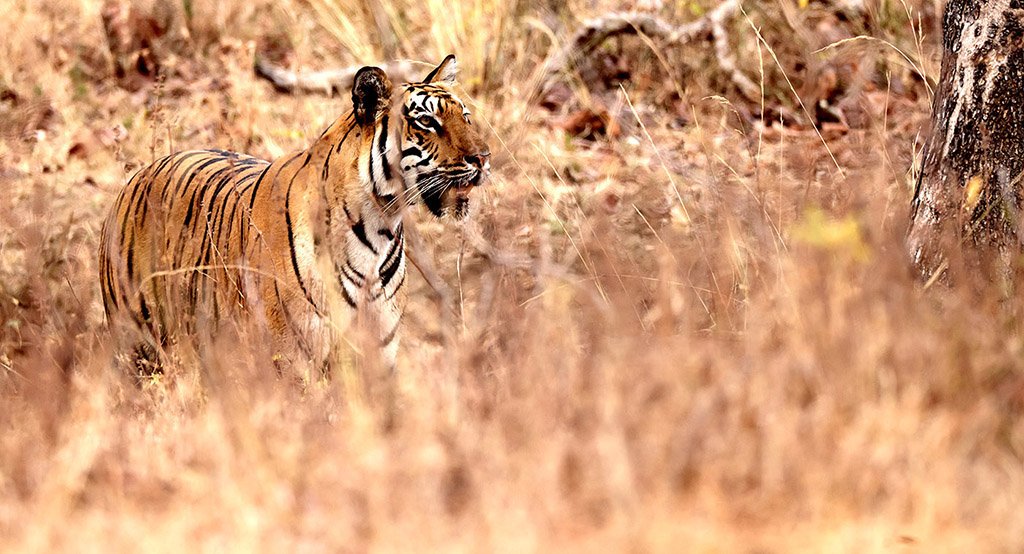
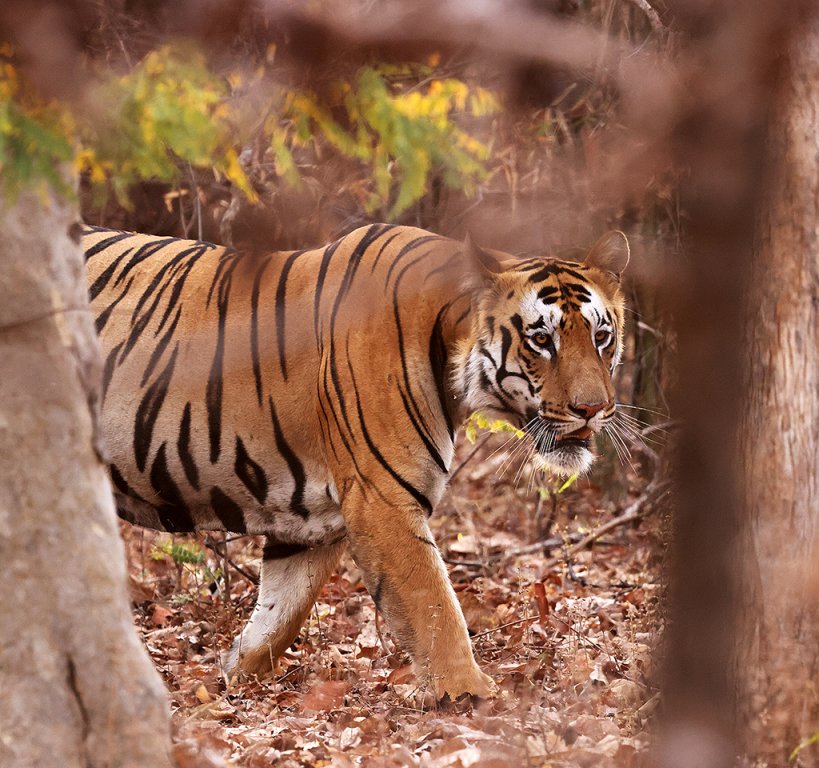
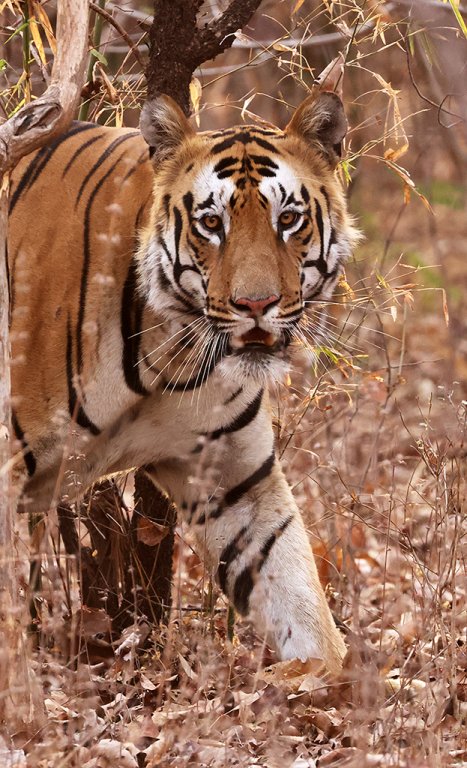
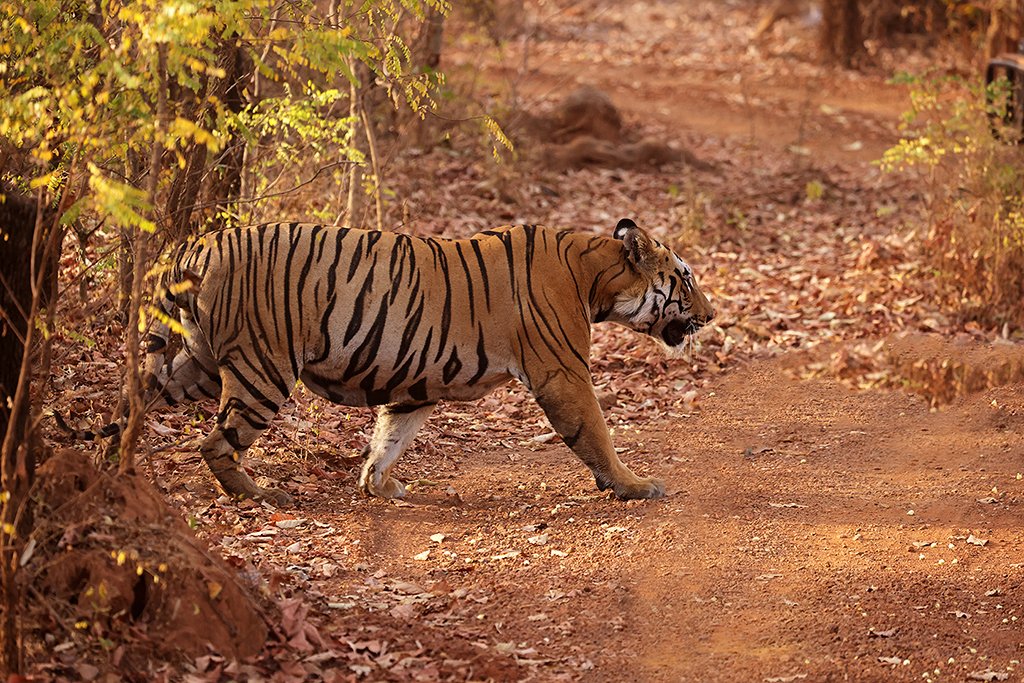
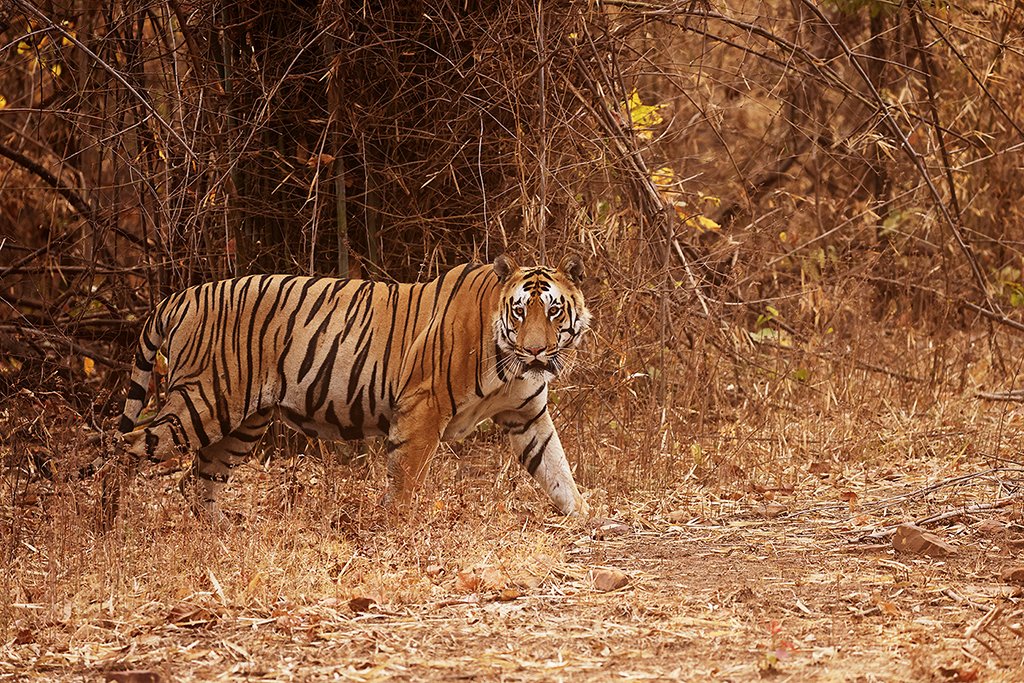
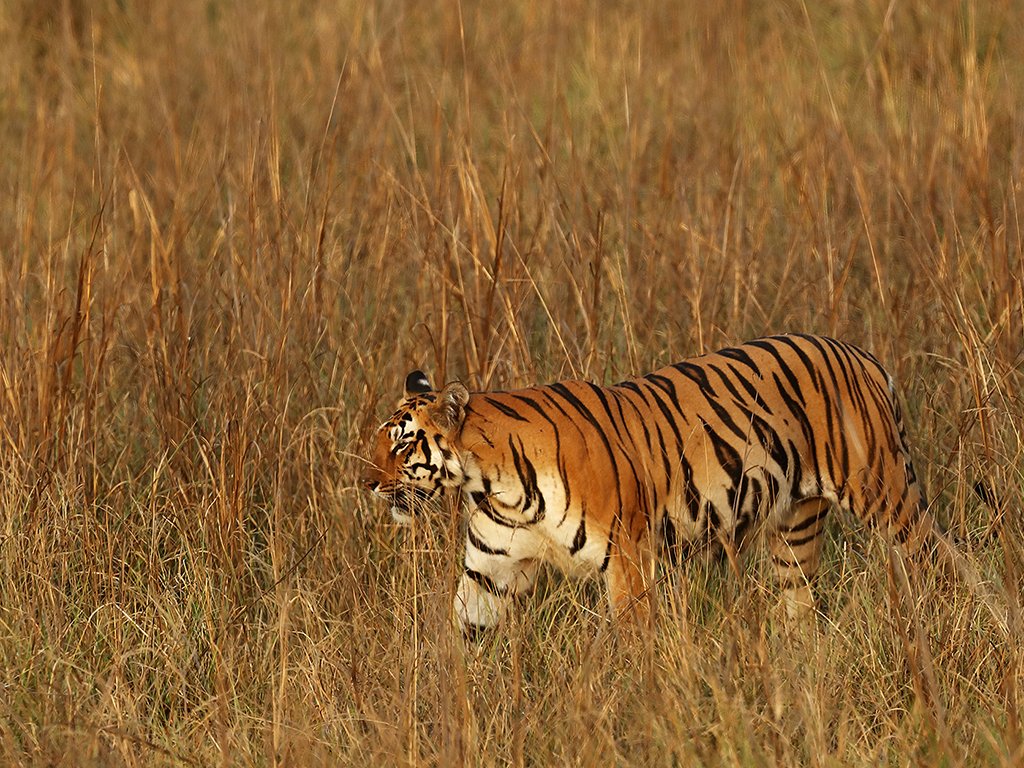
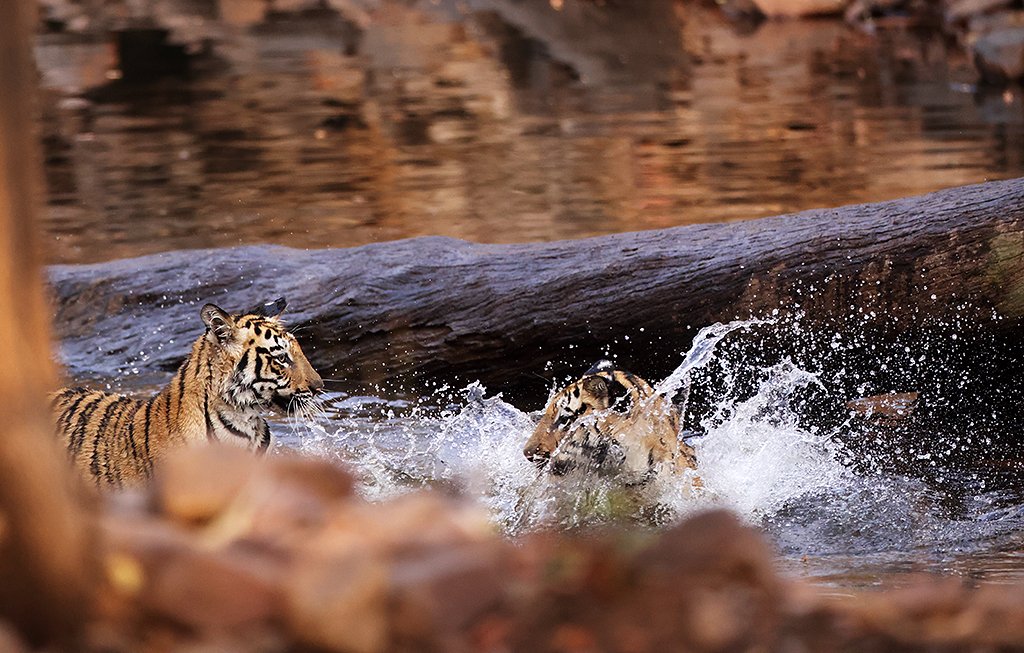
The tiger is one of the world’s most endangered species. One hundred years ago, there were 100,000 wild tigers in the world. Today, there are only 5,000 wild tigers left. Humans are the tiger’s greatest enemy. Poachers kill two tigers every week. They are part of criminal networks that make huge profits from the illegal trade in tiger parts, and they reinvest the profits in weapons and drug trafficking.

The tiger is associated with power and strength. Owning a tiger skin rug gives status in some parts of Asia, and drinking tiger wine is believed to give superpowers. In recent years, the use of painted tiger bones in traditional medicine has increased significantly. Economic growth in Southeast Asia from the mid-1970s has led to increased demand for this type of medicine.

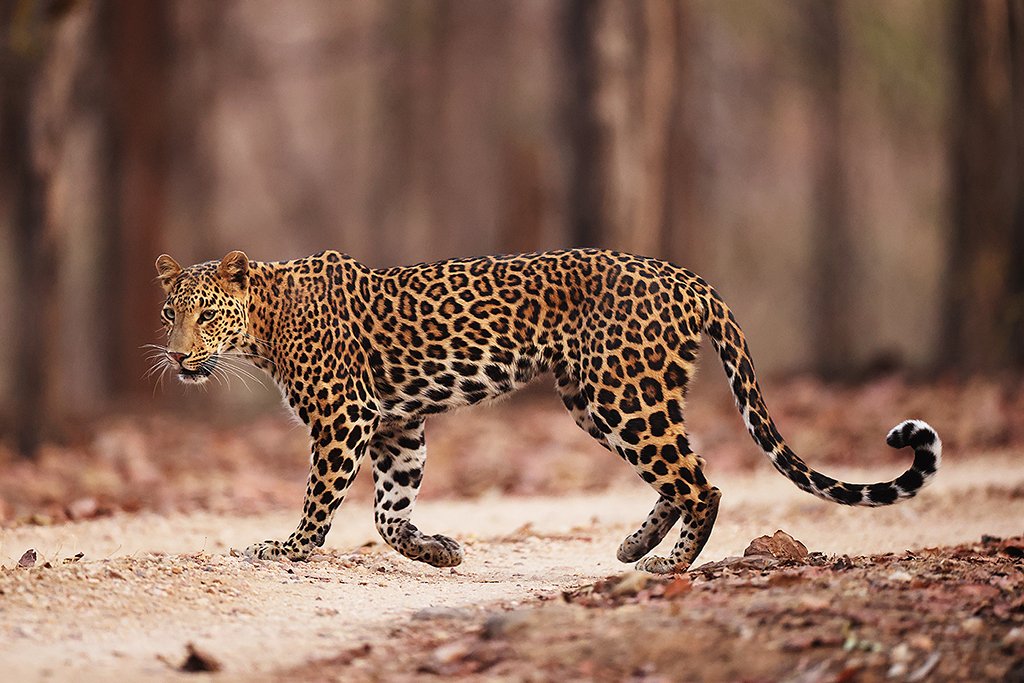
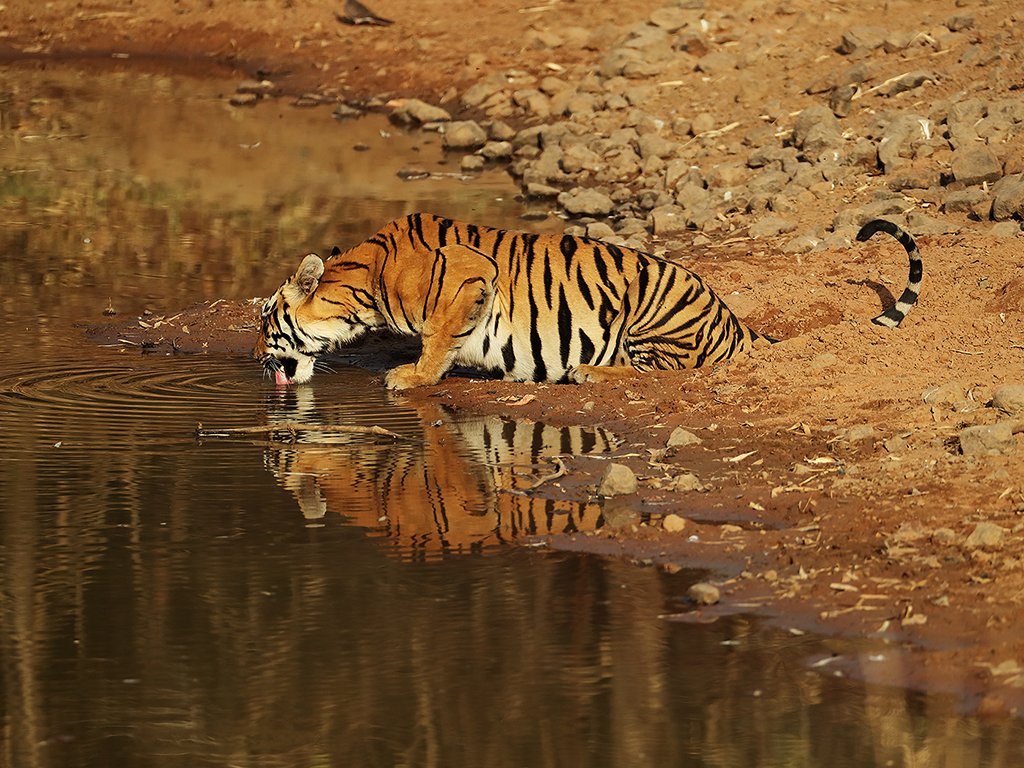
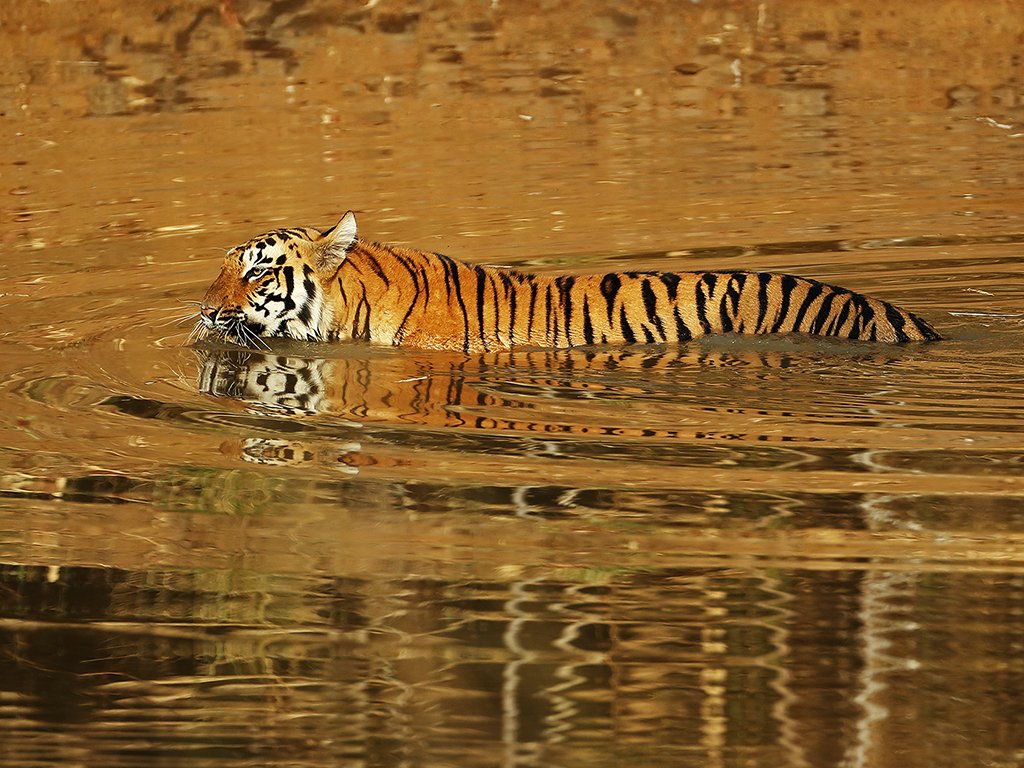
Tigers depend on large territories, abundant prey, and water. Without water, there is no prey and no tiger. In India, there are now 50 areas designated as tiger reserves. Not without reason, as India is home to 70 percent of all tigers in the world. In 2006, there were 1,411 tigers in India, but thanks to anti-poaching efforts, the number had risen to 3,682 by 2025.

Red Panda

The red panda lives in the forests of the Himalayas, at altitudes between 2,500 and 4,800 meters above sea level. It is also called the lesser panda or cat-bear. Its thick reddish-brown fur covers almost the entire body, but the belly and paws are black. The red panda also has distinctive white markings on its cheeks, above the eyes, and around the muzzle, and the ears are white on the outside. The bushy tail has darker rings and can be as long as the body. Adult males weigh 4.5–6.2 kg, while females weigh 3.7–4.5 kg.

Most of the world’s red pandas live in the eastern Himalayas. They inhabit dense forests in India, Nepal, and Bhutan, in the northern mountains of Myanmar, and in southern China.

Several attempts have been made to estimate the number of red pandas by studying areas that could be suitable habitats and calculating how many pandas could live there. Estimates indicate that there are fewer than 10,000 red pandas.

Red pandas are primarily threatened by human activities that reduce their habitat. The forests they live in are being cut down, and the areas are fragmented, making it harder for red pandas to find mates. Red pandas can also get caught in traps set for wild pigs and deer. In some places, they are still at risk from poaching. Their fur is in demand in countries like China, Myanmar, and Bhutan.

Sloth Bear

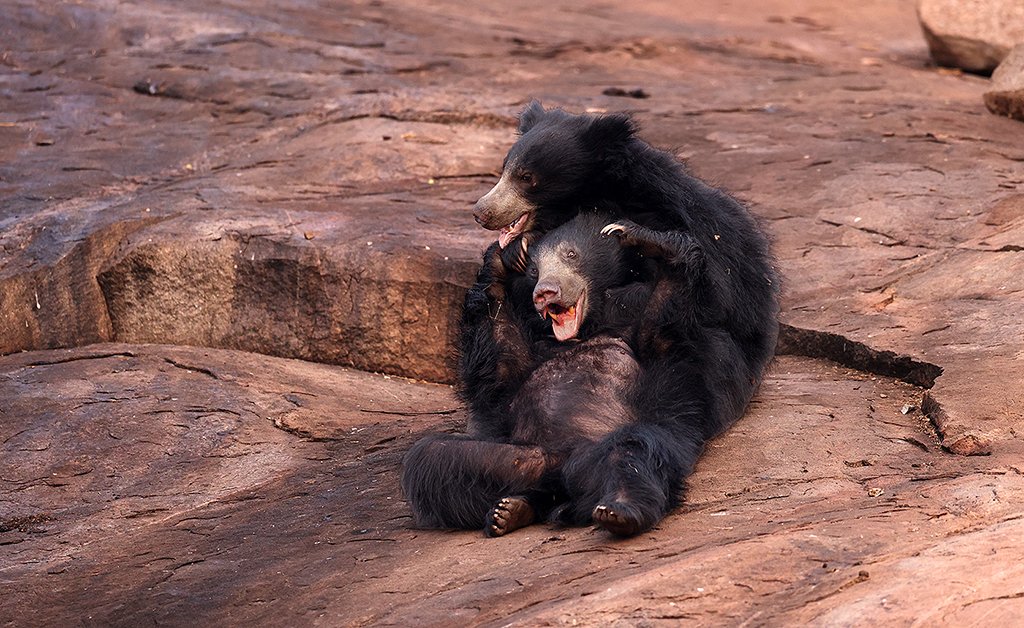
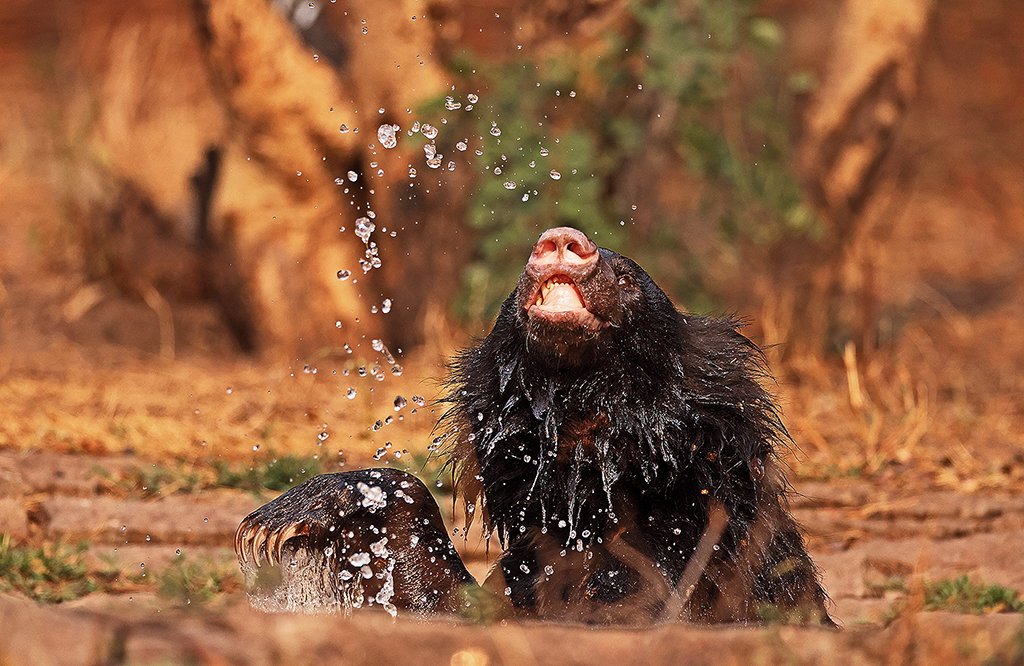
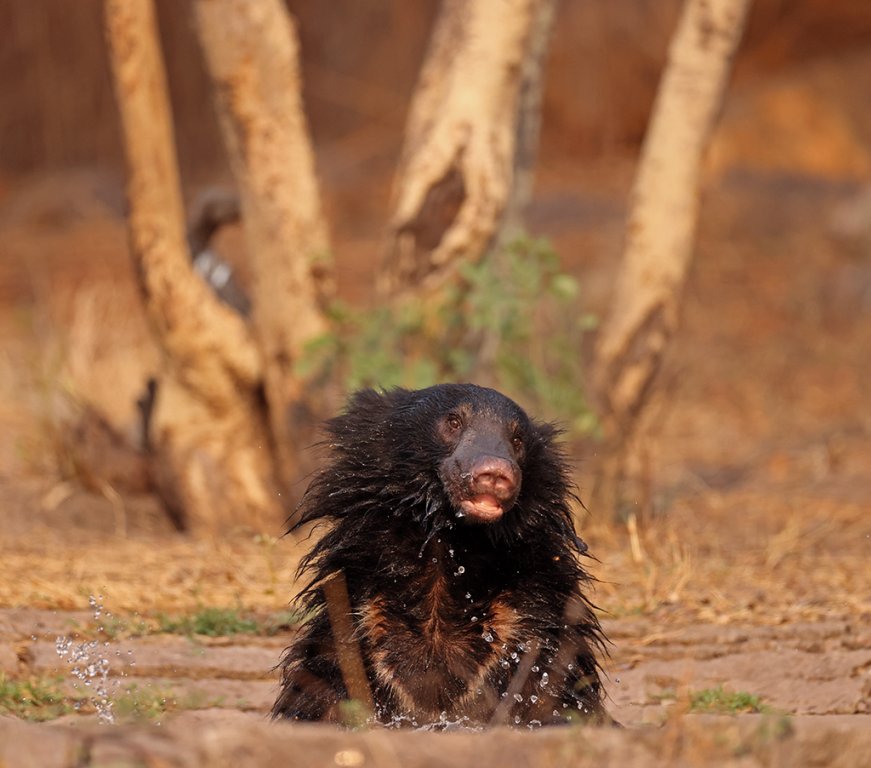
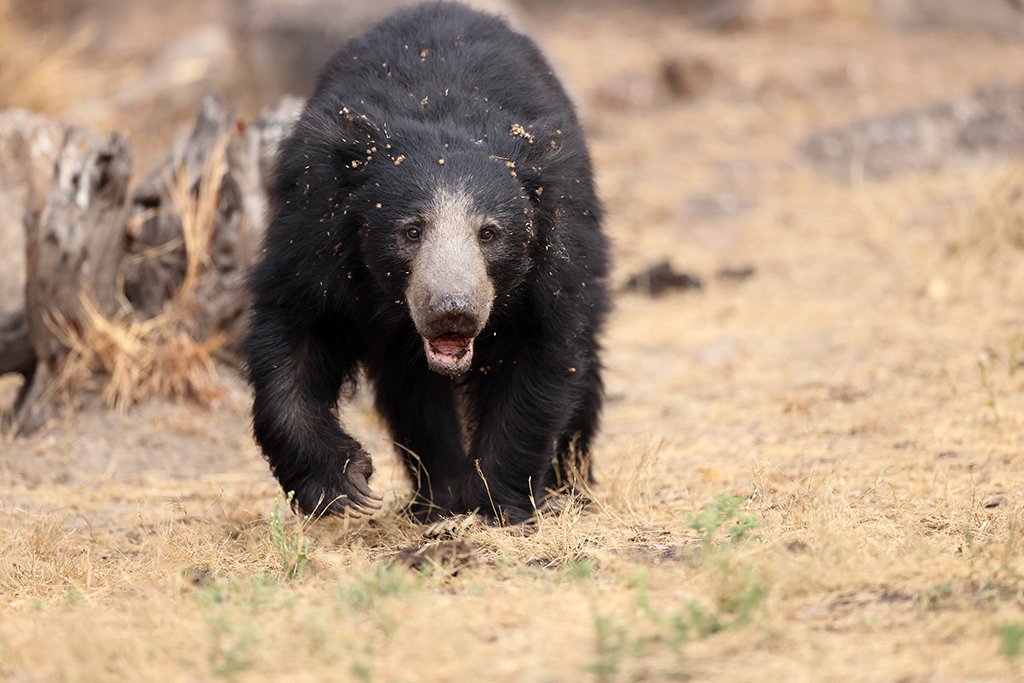
The Indian subcontinent – Sri Lanka, India, and Nepal – has its own bear species: the sloth bear. This is a medium-sized bear, weighing 55–140 kg, with a body length of 140–190 cm. Males are larger than females.

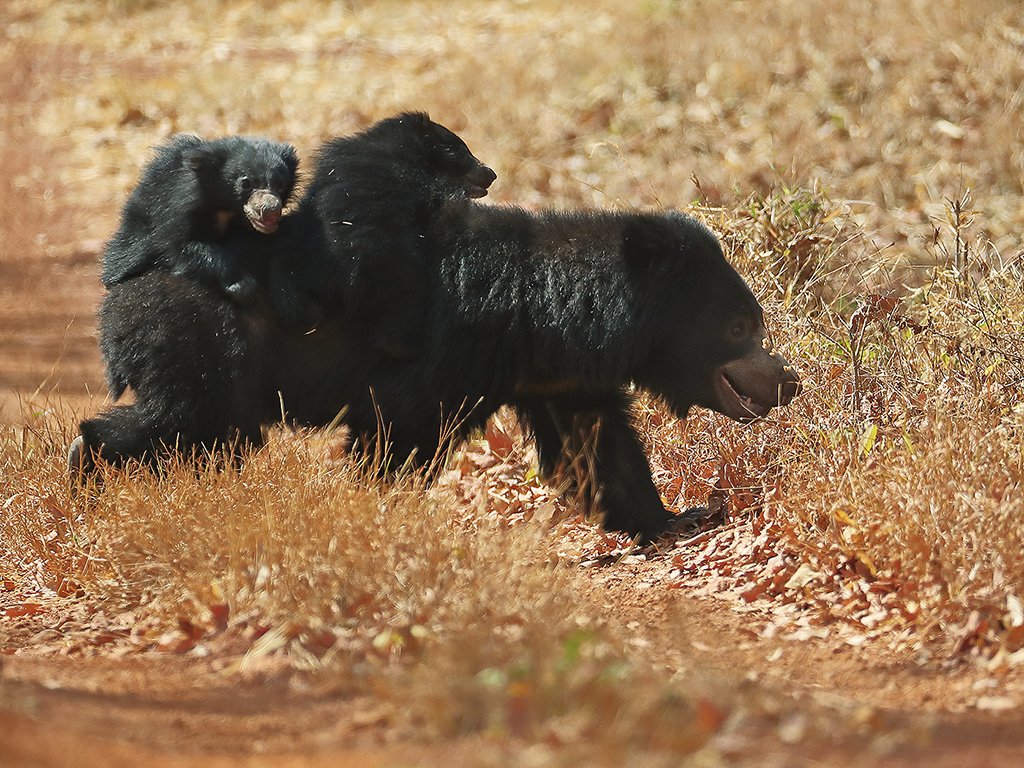
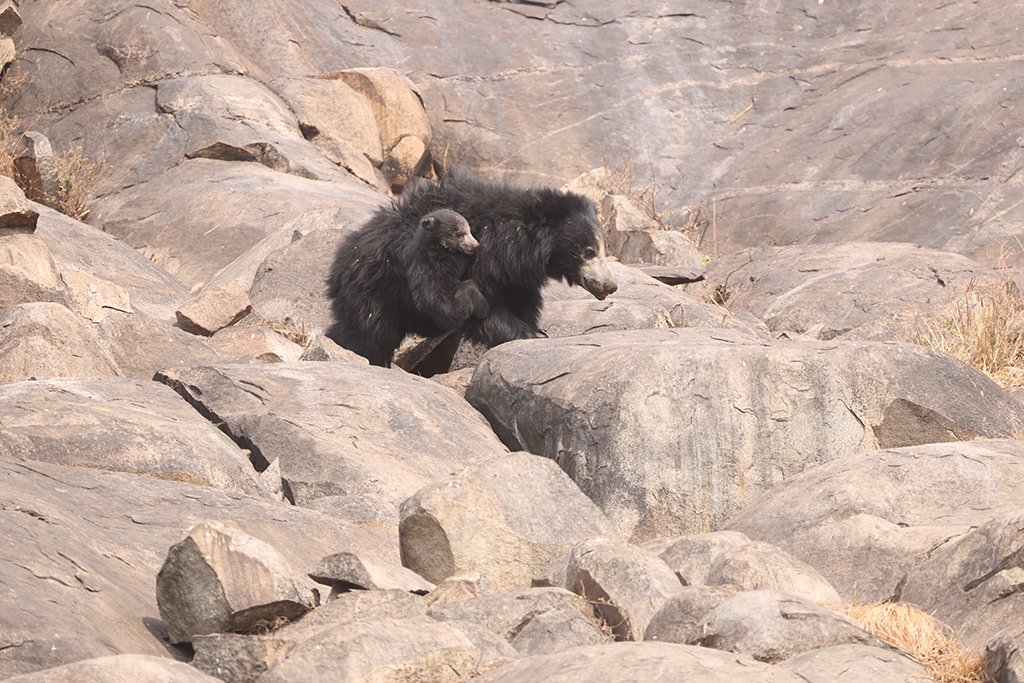
They are dark in color, often black, with a cream-colored Y-shaped mark on the chest. The lips are unusually large, hence the name. Sloth bears live in forests, often in the same areas as tigers, and are not easily intimidated by tigers. Observations have shown sloth bear mothers with cubs chasing off overconfident tigers.

Sloth bears have strong claws and love to dig out insects from mounds, soil, and trees. Their long snout combined with a very long and flexible tongue makes them well-equipped for insect hunting.

Living in temperate and tropical forests, sloth bears do not hibernate. They are generally shy and avoid humans, but there have been instances of attacks. Between 1989 and 1994, 735 attacks on humans were recorded, 48 of which were fatal.

Like other bears, sloth bears have delayed embryo development. In India, mating occurs in May–June, and females give birth to one or two cubs after six to seven months. The cubs stay in the den until they are three months old and follow the mother until they are two to three years old. The population numbers just under 20,000 individuals.
15th Feb: We fly from Oslo to India.

16th Feb/Tue: Arrival in New Delhi
We arrive in Delhi and are transported to the hotel for our overnight stay. Sightseeing in Delhi on your own or as a group.
www.roseatehotels.com/newdelhi/roseatehouse

17th Feb/Wed: New Delhi – Bagdogra – Singalila National Park (Flight + 70 km/3 hrs. drive)
After breakfast, we head to the airport for the 09:35 flight to Bagdogra, arriving at 11:50. From there, we drive to Singalila National Park (approx. 4 hours). Accommodation at the homestay Shikhar Tarry. Simple lodging but with all facilities. Evening at leisure in the surroundings. Fantastic views of the Himalayas with rich birdlife.
www.instagram.com/shikhartarry

18th Feb/Thu: Singalila National Park
Breakfast while a team of expert trackers searches for the red panda. When found, we are taken to the site, either on foot or by 4×4. The park has an estimated 30–40 red pandas.

Asian black bears and clouded leopards also live in the park, but sightings are rare. Singalila is home to many exciting bird species, so we also spend time photographing birds. Dinner and overnight at Shikhar Tarry.

19th & 20th Feb/Fri & Sat: Singalila National Park
Each day, trackers go out to locate red pandas, and when found, we join them. Beyond wildlife, the park is popular for its stunning views. Kanchenjunga and surrounding peaks form the Sleeping Buddha, best seen from Sandakphu. Interesting villages near the lodge are also worth visiting.

21st Feb/Sun: Singalila – Bagdogra – Bangalore (Flight + 100 km/4 hours)
After breakfast, drive to Bagdogra. Flight at 14:40 to Bangalore, southern India, arriving at 17:40. Overnight at a hotel in Bangalore.

22nd Feb/Mon: Bangalore – Hampi – Daroji Sanctuary (320 km/6 hours)
After breakfast, drive to Hampi (approx. 320 km / 6 hours) and check in to the hotel. In the afternoon, sloth bear photography session. We sit in hides while guides spread honey/sweet liquid at strategic spots, attracting the bears. Often more than 10 bears appear, sometimes with cubs on their backs. Session from 14:00 to 18:00. Dinner and overnight in Hampi.
www.karnataka.com/tourism/sanctuary/daroji-sloth-bear-sanctuary/

23rd Feb/Tue: Hampi – Daroji Sanctuary
Morning bird photography in nearby areas, as sloth bears are more active in the afternoon. Possible to see and photograph species like the Bengal eagle-owl. After lunch, another sloth bear session. Overnight and meals at Hampi Lodge.
https://www.indoasia-hotels.com/hampi/index.html

24th Feb/Wed: Hampi – Bangalore – Nagpur (320 km/6 hours + flight)
After breakfast, drive 320 km to Bangalore airport for the 16:25 flight to Nagpur, arriving at 18:25. Overnight in Nagpur.
www.pridehotel.com/the-pride-premier-nagpur

25th Feb/Thu: Nagpur – Tadoba (120 km/2 hours)
After breakfast, drive to Tadoba National Park (120 km, approx. 2 hours). After lunch, first tiger safari. Only 2 people per vehicle. Overnight at Tadoba Jungle Lodge.
www.tadobajunglecamp.com

26th Feb to 01st Mar/Fri – Mon: Tadoba
Evening safari on the first day. Morning safaris cover a large area, increasing chances of tiger sightings. Breakfast en route.

Tadoba is named after King Taru, who, according to local legend, died at the hands of a tiger and was deified. The park has dry tropical forests with open areas, ideal for deer species and large cats.

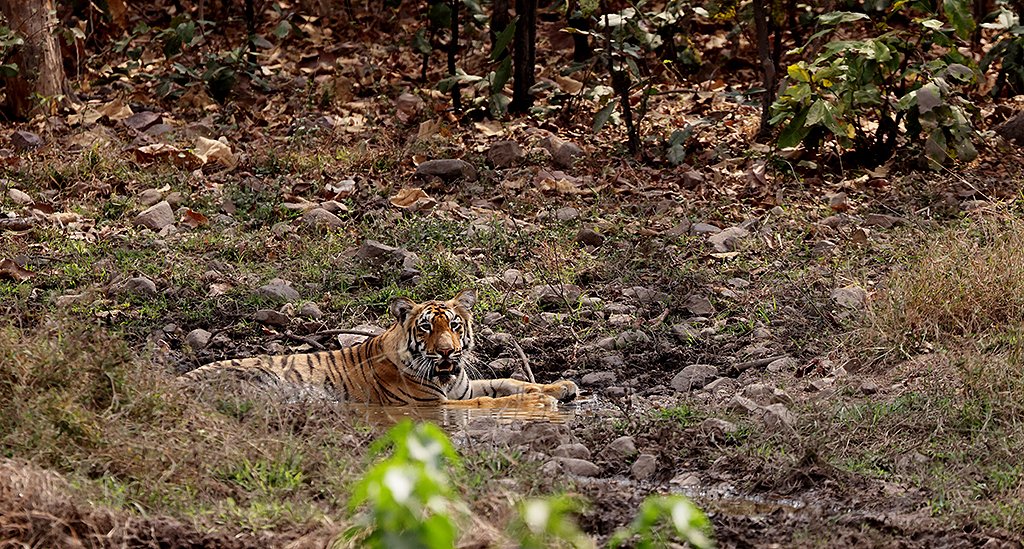
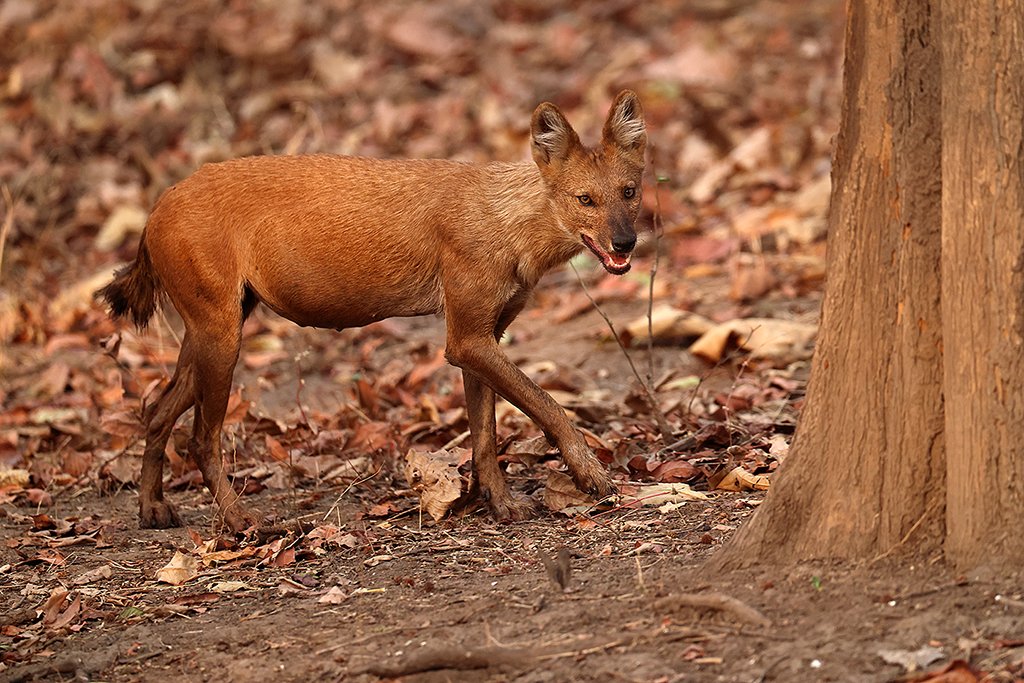
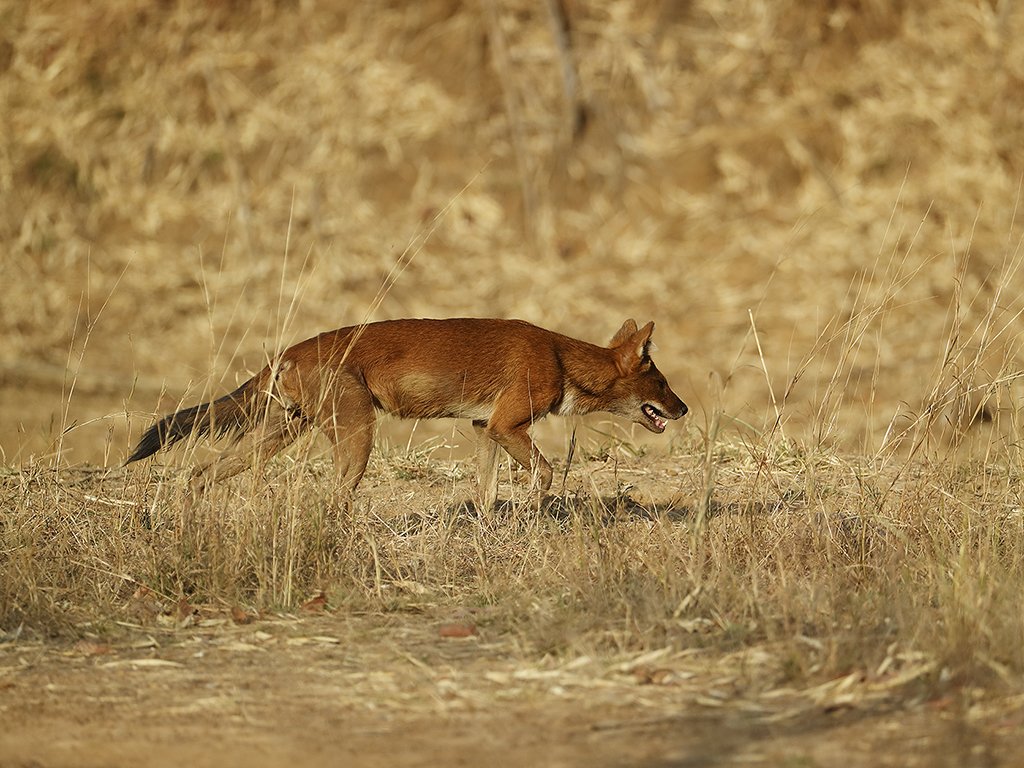
Tadoba Tiger Reserve is India’s leading tiger park, known as “Land of the Tigers,” with 115 tigers. Afternoon searches focus near waterholes where tigers drink and cool off. The park also hosts dholes, sloth bears, leopards, gaur, axis deer, sambar, four-horned antelopes, muntjac, and more. Over 200 bird species have been recorded. Return to lodge for lunch and prepare for afternoon safari.

02nd Mar/Tue: Tadoba
Morning and afternoon safaris in Tadoba.

03rd Mar/Wed: Tadoba – Pench (250 km/5 hours)
After breakfast, drive to Pench National Park. Afternoon safari. Good chances of tiger sightings, and leopards are often seen here.

Pench inspired Rudyard Kipling’s The Jungle Book. Mowgli’s story is based on tales from the region, although Kipling never visited. Pench Tiger Reserve has historical significance and won the “Best Maintained Tourist-Friendly National Park” award in 2006–07. Overnight at lodge.
tulitigercorridor.com

04th Mar/Thu: Pench
Another day in Pench with morning and afternoon safaris.

05th Mar/Fri: Pench – Nagpur – New Delhi (100 km/2 hours + flight)
Morning safari in Pench. After lunch, drive 100 km to Nagpur, then flight at 18:40 to Delhi, arriving at 20:20. Overnight in Delhi.

06th Mar/Sat: New Delhi – Return
Flight back to Oslo. Departure time depends on chosen airline.

Price: NOK 86,000.
Supplement for single room.
The price may change according to currency fluctuations, and there may also be price increases as the trip takes place in 2027.

Terms:

  • Deposit of NOK 15,000 per participant upon registration. Deposit is non-refundable.
  • Final payment is due 3 months before departure and is also non-refundable.

Included:

  • Accommodation in double rooms
  • All meals as described. Only breakfast included at city hotels
  • Water in vehicles, in parks, and during transfers
  • Entry tickets to national parks, including camera fees
  • Local English-speaking guide
  • Transport to/from airports, guiding, jeep safaris, all meals (with some exceptions at start and end), national park fees
  • 2 afternoon sessions with sloth bears at Daroji
  • 2 birding trips in Hampi
  • 11 exclusive jeep safaris in Tadoba (4 jeeps used)
  • 4 exclusive jeep safaris in Pench (4 jeeps used)
  • Transfers between parks in 12-seater Force Urbania
  • Norwegian tour leader

Not included:

  • Round-trip flights to India
  • Domestic flights
  • Dinners at city accommodations
  • Tips
  • Visa
  • Excess luggage on domestic flights (15 kg checked baggage; €5 per kg for excess). Video camera fee: €70 total
  • Personal expenses, laundry, alcohol, beverages, phone, internet, etc.

Camera equipment:
You will need your full camera kit. For birds and mammals: 300–600 mm lenses recommended. For landscapes, details, small animals, etc.: 16–35 mm, 24–70 mm, 70–200 mm, and a macro lens are suitable. Beanbag for use in vehicles; tripod can be useful (but not inside vehicles).

Other gear:
Mostly warm weather. Summer clothes plus a warm sweater/jacket for early mornings. Sneakers are suitable footwear.

Also bring

  • Sunscreen
  • Sunglasses/hat
  • Insect repellent
  • Headlamp
  • Lightweight clothing and long pants for sun and insect protection
  • AC adapter for charging camera batteries
  • Laptop, extra hard drive, memory cards, chargers

Level:
The trip is not physically demanding.

Tour leaders:
Tom Schandy (+47 95 97 91 95)

Note:
Program, accommodations, flight times, etc., are subject to change.

Registration

Fill out the form and we’ll get in touch!

Interesse opplevelse english

Other tours