Date

Place

Difficulty

Spots

Price

Winter in Japan

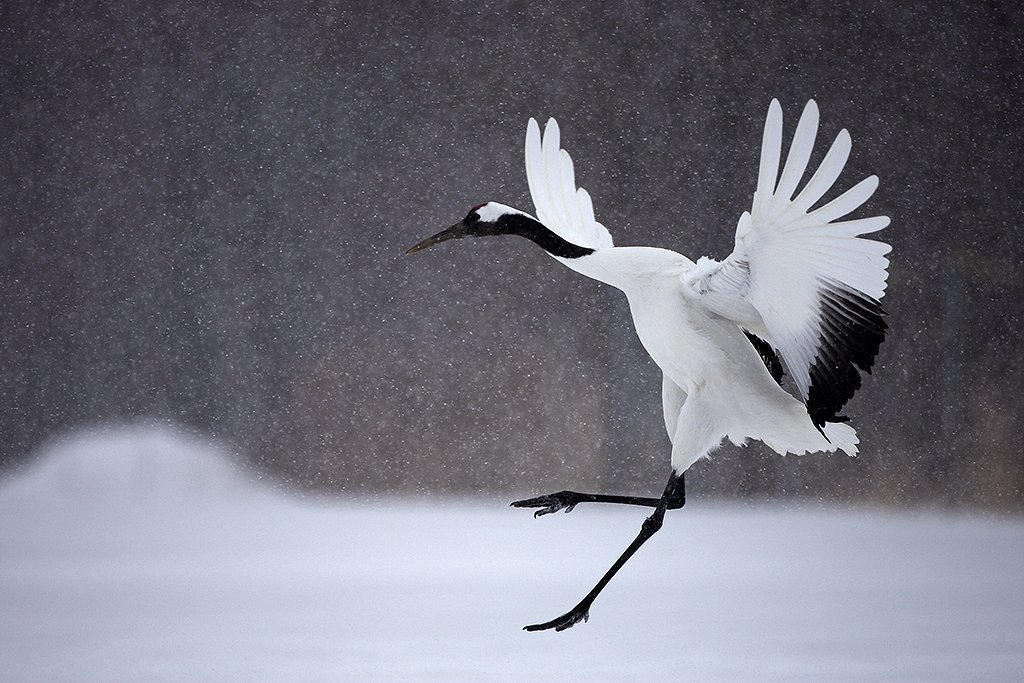
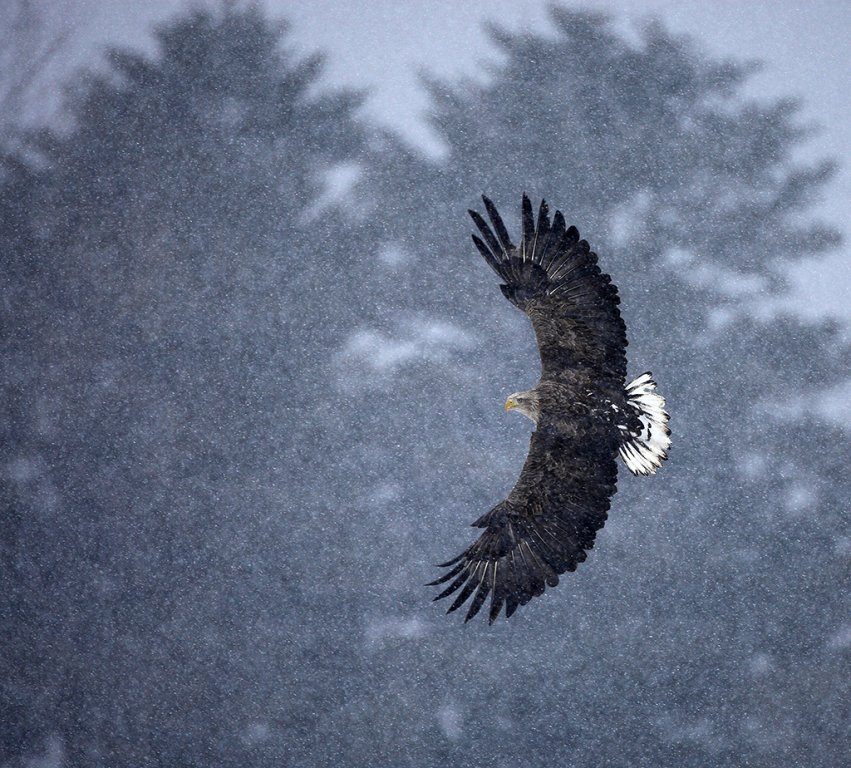
A February trip to the Land of the Rising Sun offers unique nature experiences. Snow monkeys bathing, Japanese cranes in a snowstorm – as well as Steller’s sea eagles and white-tailed eagles together in perfect harmony. Up close, without camouflage – and all this in one of the world’s most densely populated countries. Join Natur&Foto in Japan in February 2028.

A February trip to the Land of the Rising Sun can offer unique nature experiences. Bathing snow monkeys and Japanese cranes in a snowstorm – as well as Steller’s sea eagles and white-tailed sea eagles together. Up close, without camouflage – and all in one of the world’s most populous countries. Join Natur&Foto in Japan in February 2028.

At first, it may not seem like Japan has much to offer a nature photographer. You imagine a high-tech society packed with people. Indeed, the 3,000 islands of the Japanese empire are home to 124 million inhabitants on an area only slightly larger than Norway, so it would be no surprise if the country were devoid of exciting wildlife. How wrong one can be! Rarely do I return home with as many animal and bird photos as after two weeks in a wintery Japan.

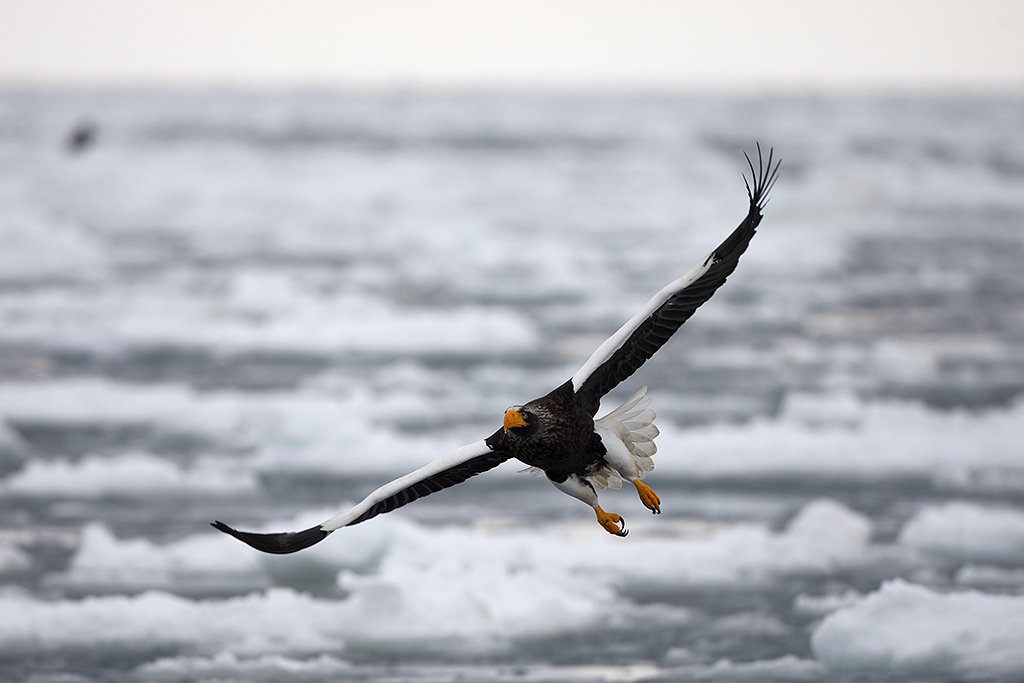
On this tour, we will photograph some of Japan’s most iconic wildlife. We will photograph the famous snow monkeys bathing in hot springs, as well as dancing Japanese cranes and Steller’s sea eagles in the drift ice north of Hokkaido. We will also photograph the brown Blakiston’s fish owl, the largest owl species in the world.

The Snow Monkeys’ Spa

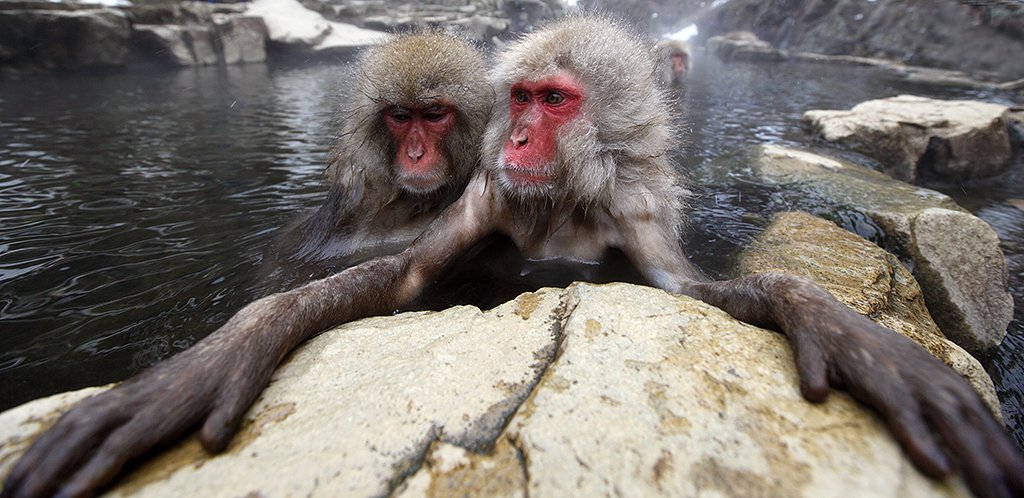
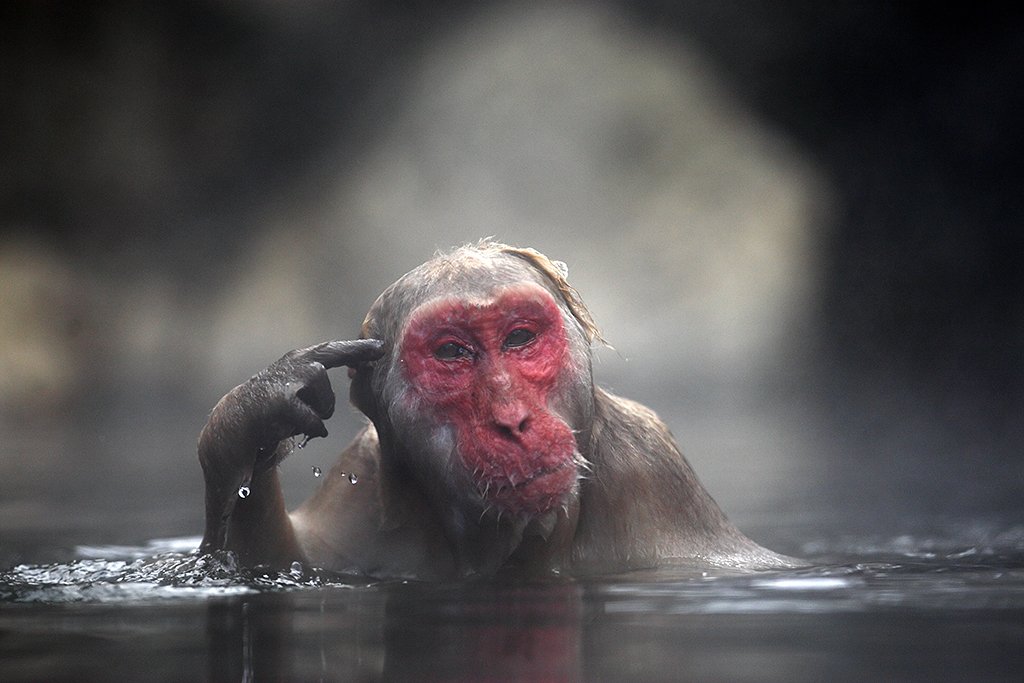
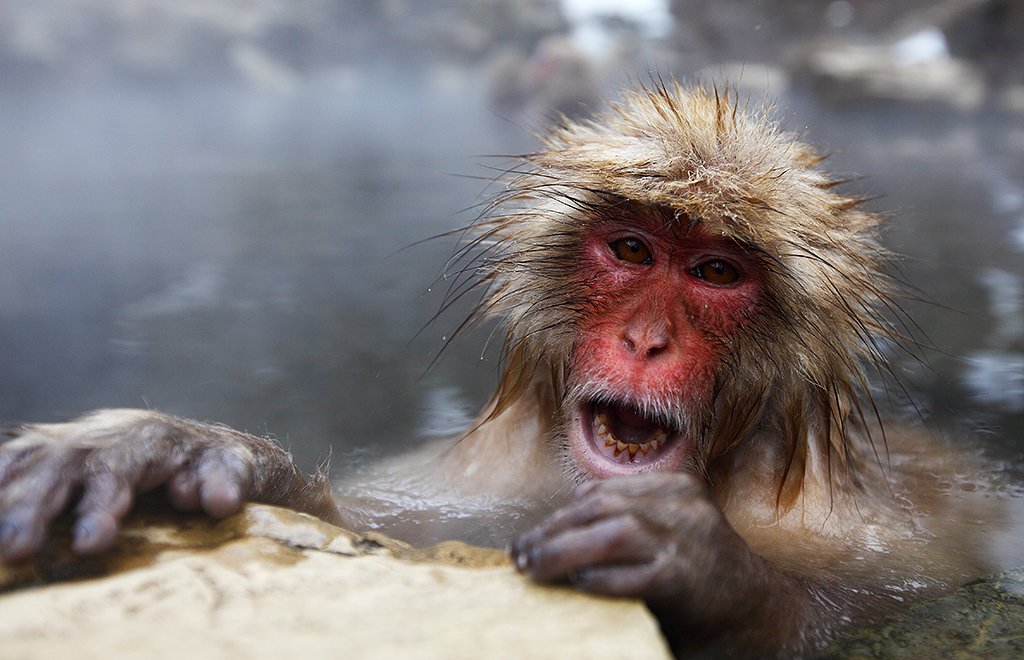
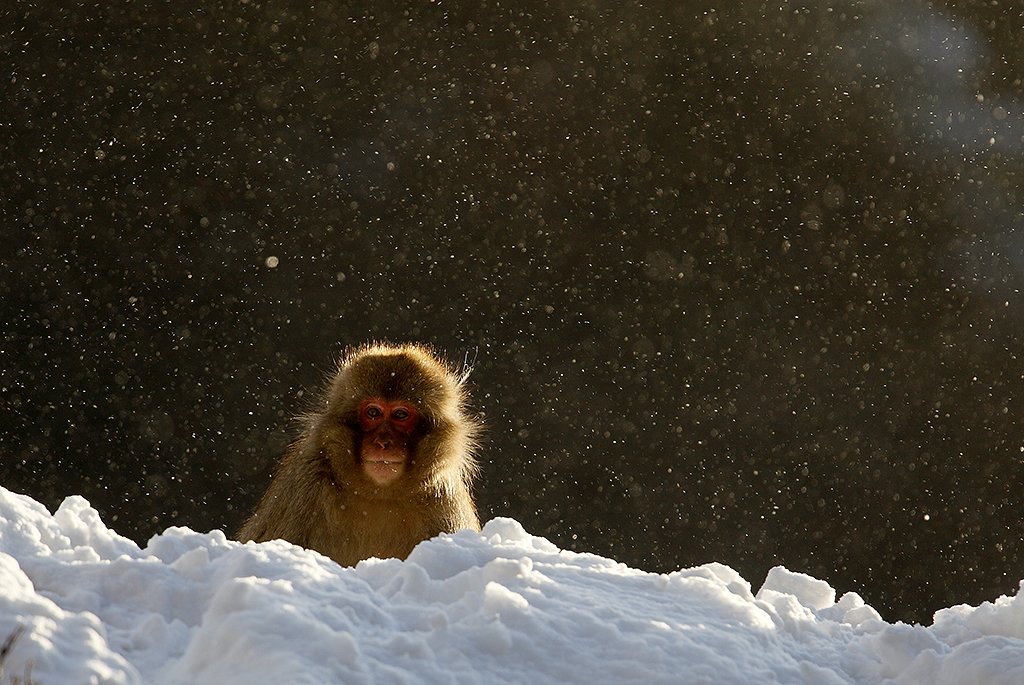
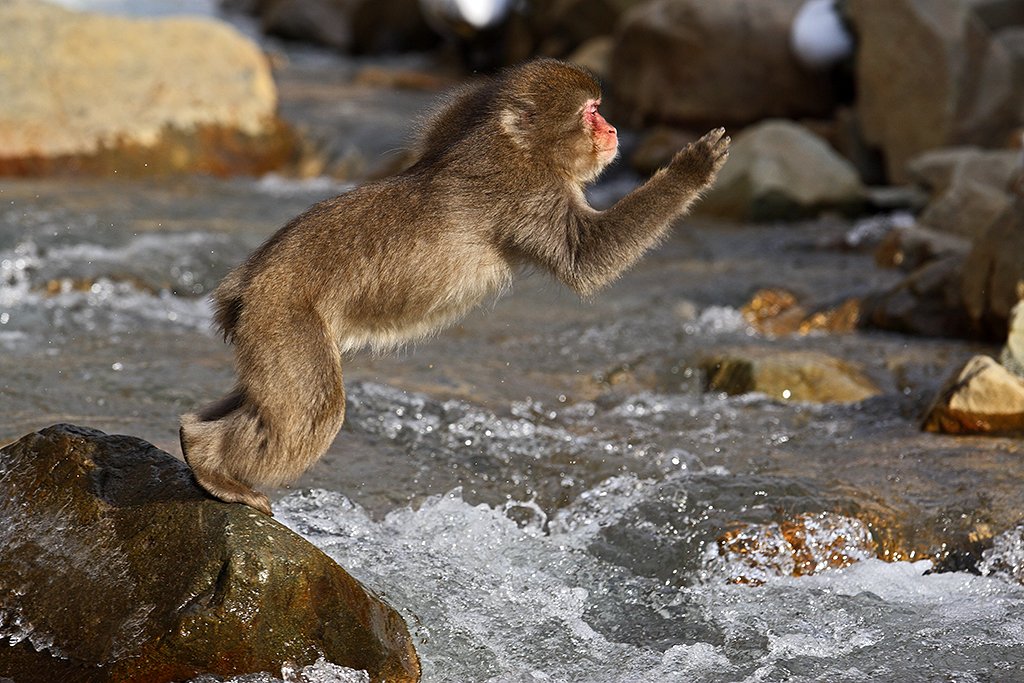
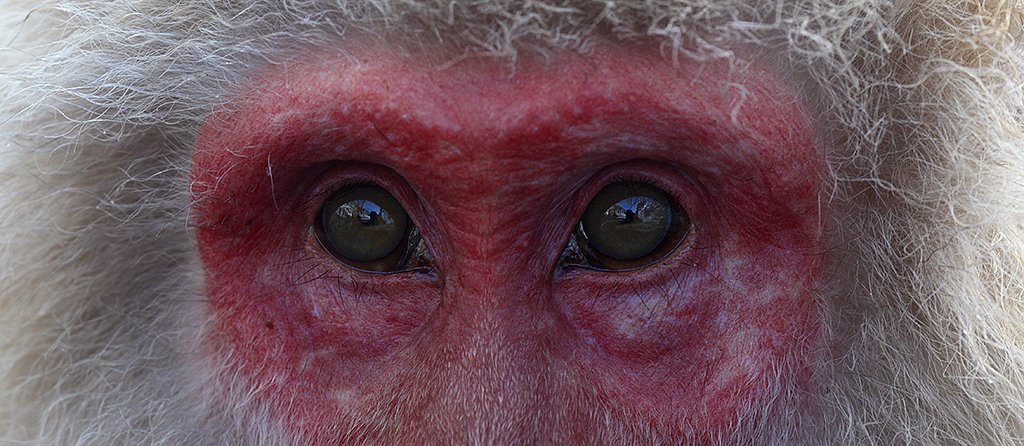
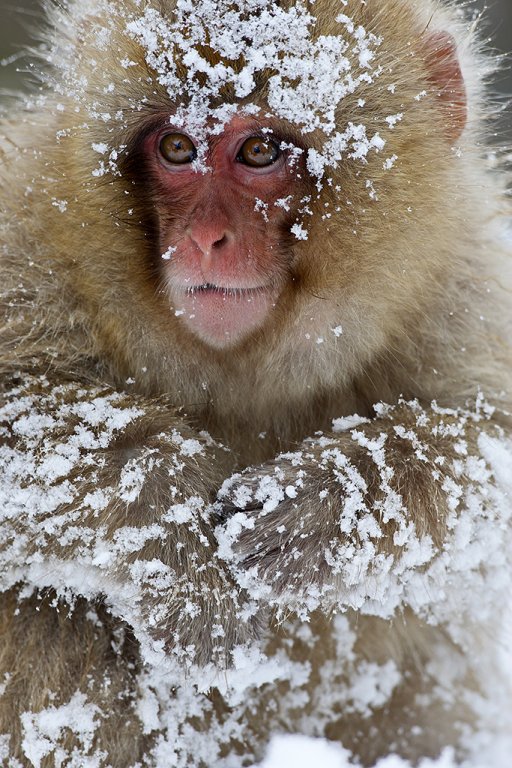
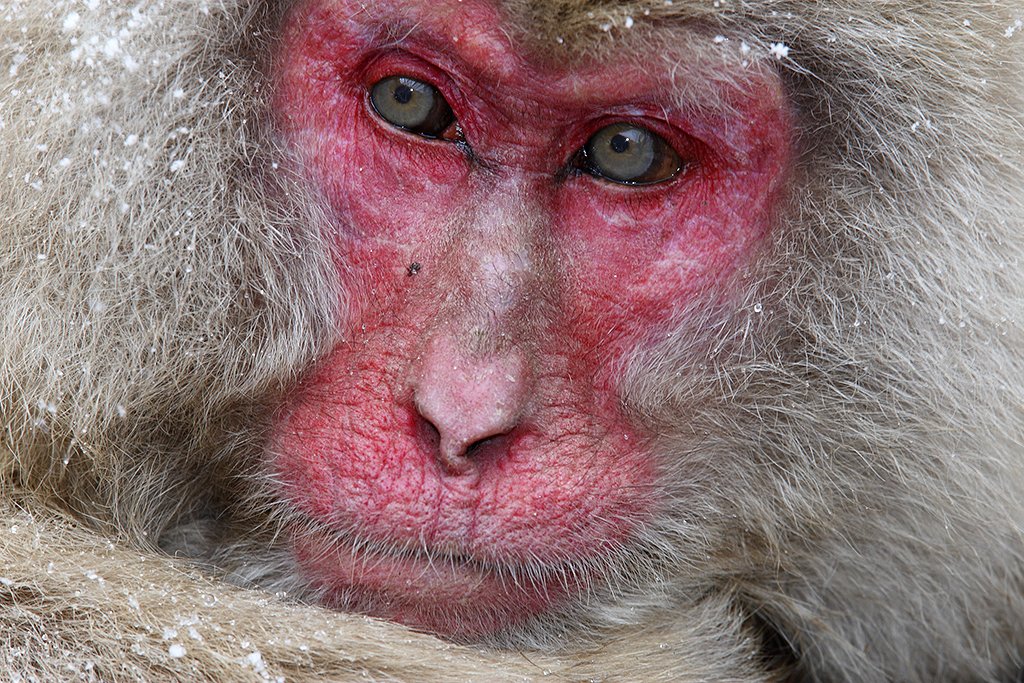
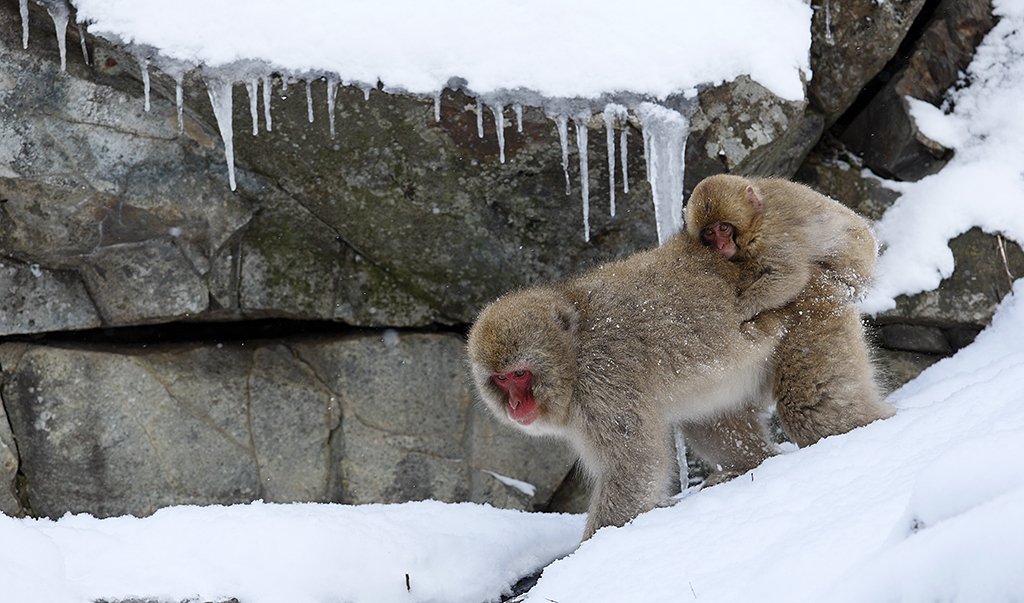
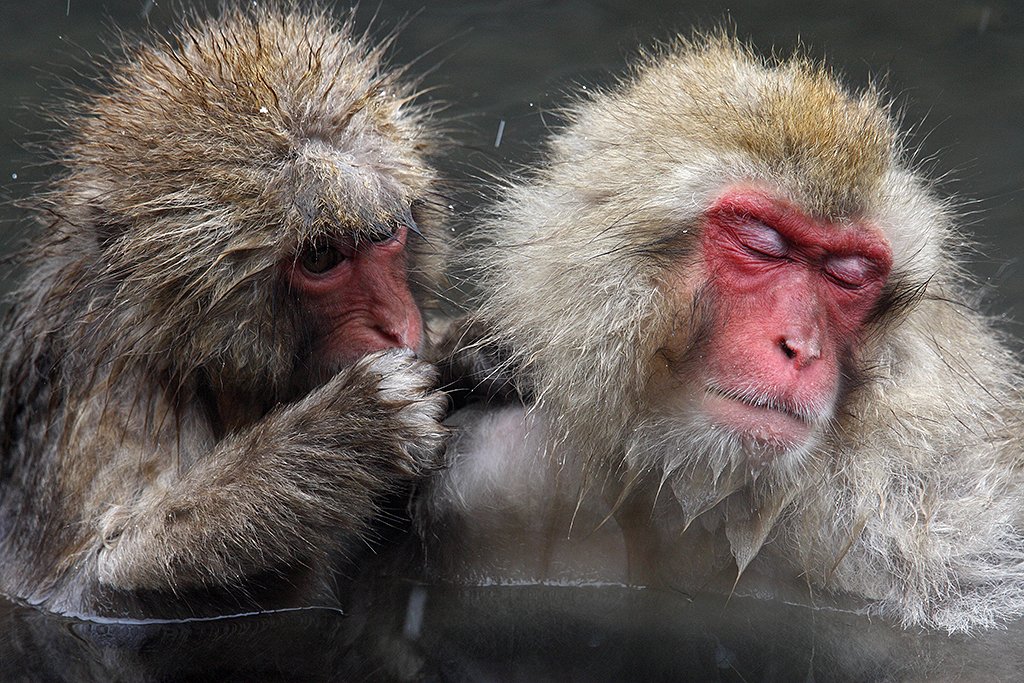
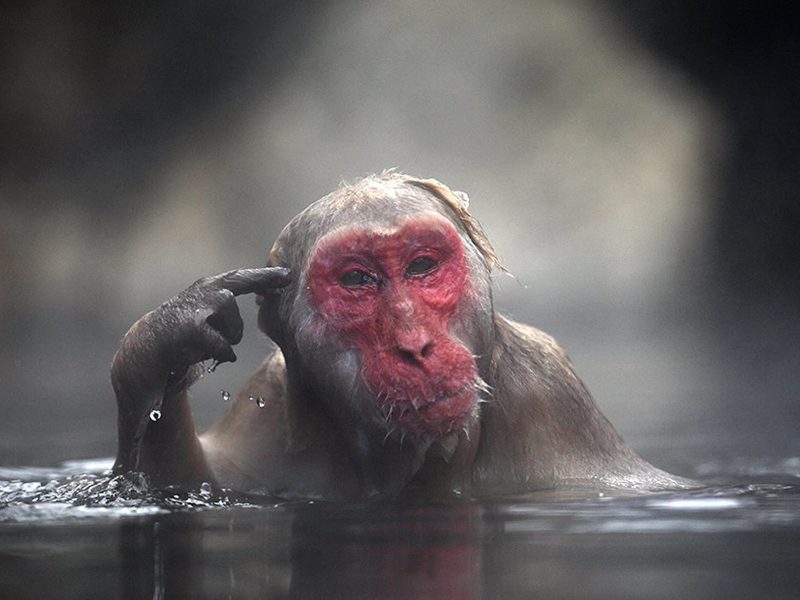
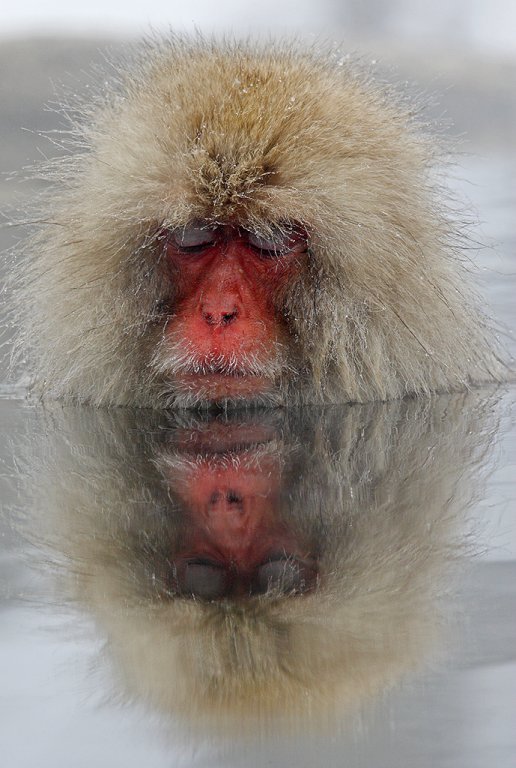
We begin with the snow monkeys, or Japanese macaques, at Jigokudani Yaen-Koni – Hell Valley Monkey Park – near the Olympic city of Nagano. Around 200 monkeys live here, and they all head down to the hot spring. Some move slowly, while others leap down the slopes and immediately start picking up seeds. Among the snow monkeys, there are many charming young ones. They have thick fur, play, roll in the snow, and increasingly look like little snowmen.

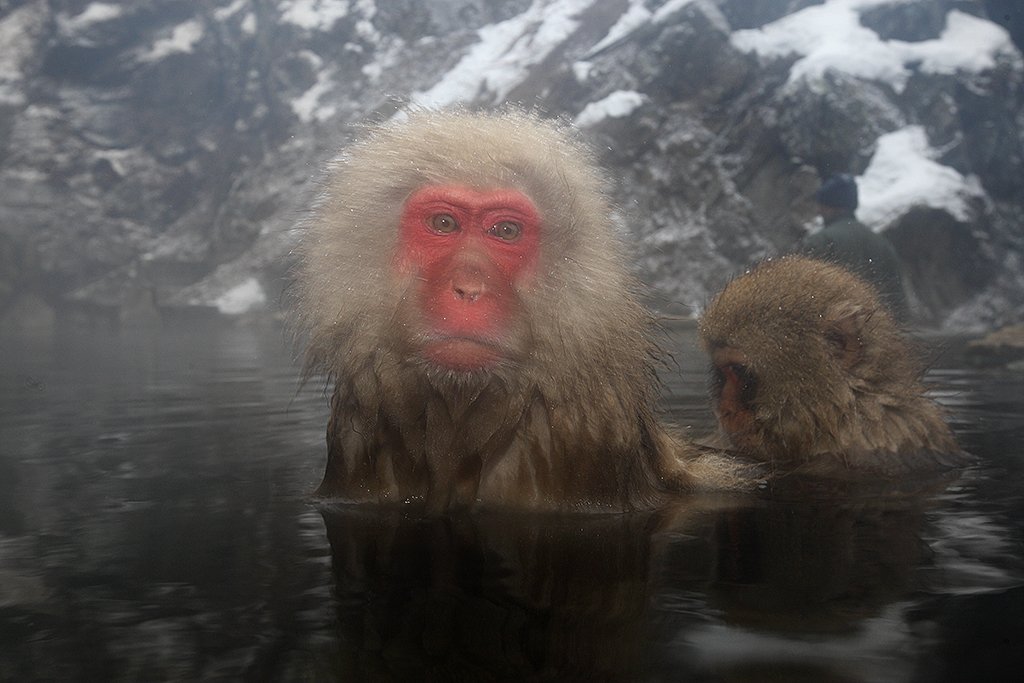
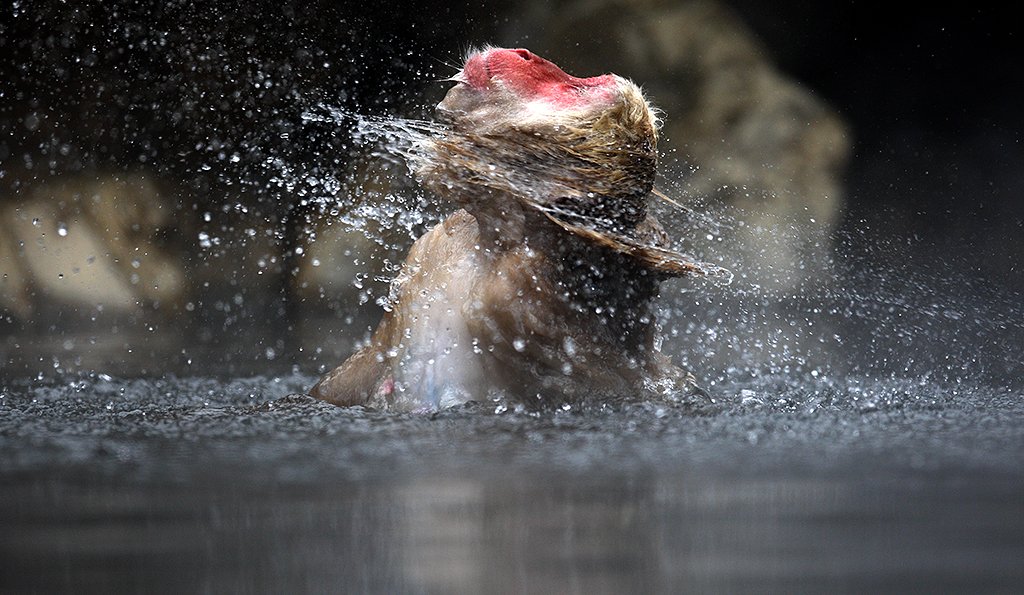
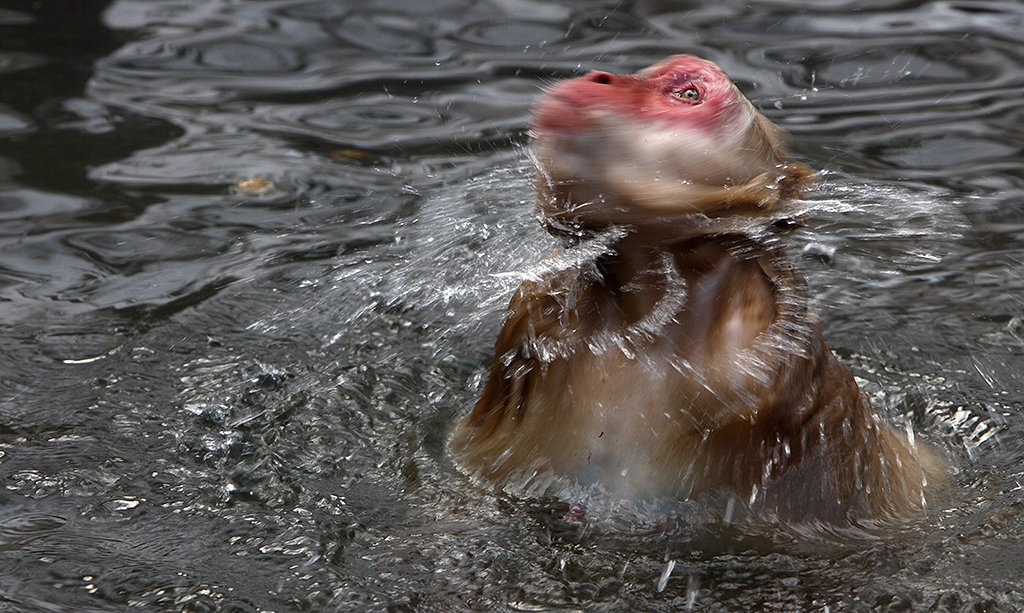
Some monkeys go straight into the bath. After a long, cold night with around minus ten degrees Celsius, it is a delight to sink into the warm water, which can reach up to 40 degrees. We stand ringside at the pool, just a few meters from the bathing monkeys. The hot water steams, and frost smoke drifts back and forth over the monkeys. An incredible experience that can only be experienced here in the entire world!

More and more monkeys lower themselves into the water. They sit beside each other and, spontaneously, start grooming one another. Not simultaneously, but one by one. The monkey being groomed sits still, closes its eyes, and enjoys the treatment. The grooming monkey leaves nothing to chance. It carefully grooms the head, checks the ears, looks around the eyes, and systematically goes over the body. This is full-body care – just like at any spa! Grooming is extremely important to the monkeys. In addition to removing lice and other parasites, it plays a very social role, creating cohesion in the group. When one monkey has groomed another, the roles are switched. Now the first one receives a full-body treatment.

It is said that the monkeys began their bathing culture here about 50 years ago – after observing humans bathing in hot springs. To avoid conflicts with spa visitors in the nearby resorts, the monkeys were given their own pool in the valley, and since then they have loved spa more than anywhere else on earth.

“Tancho”

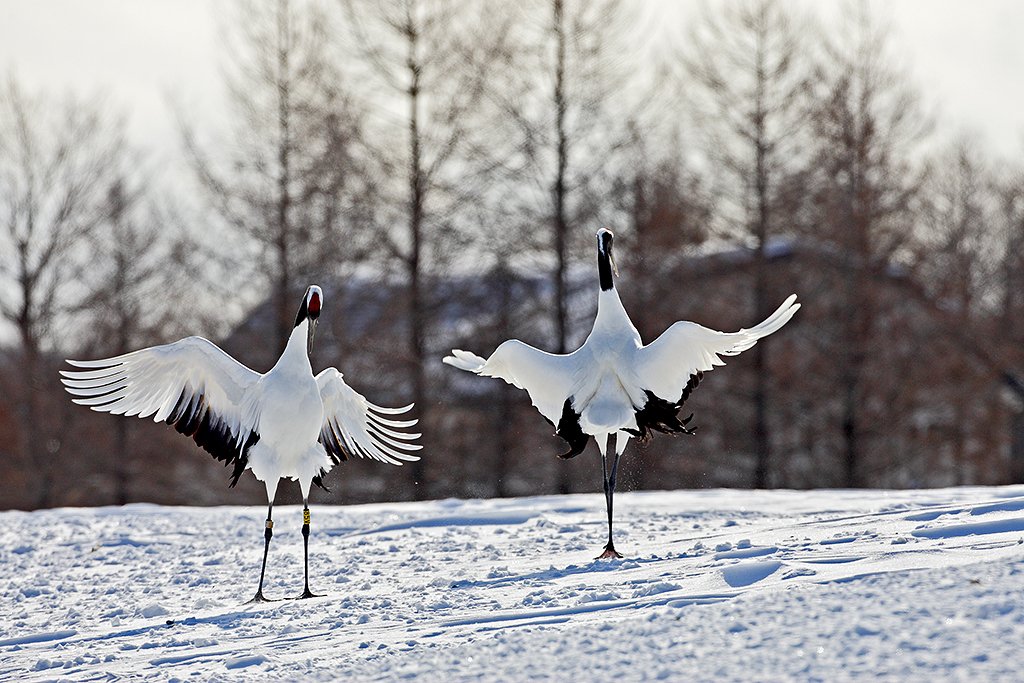
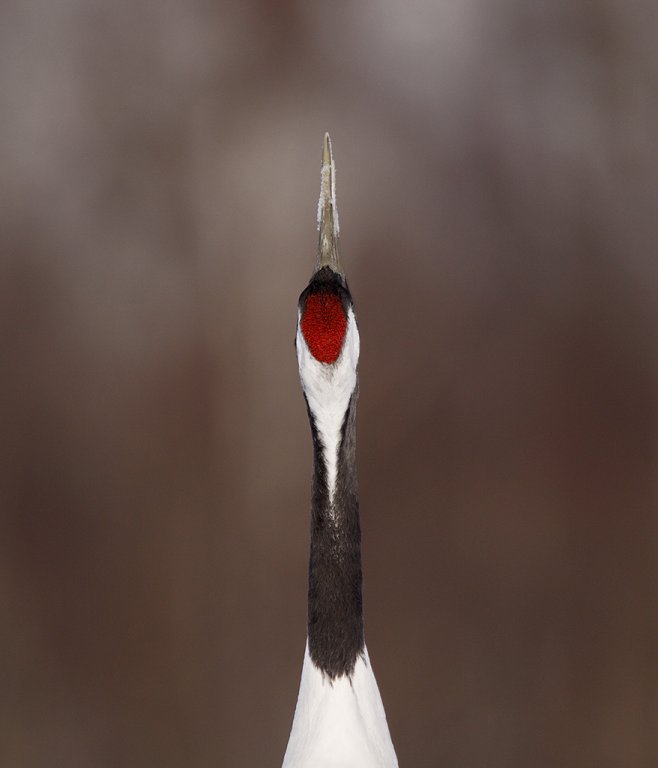
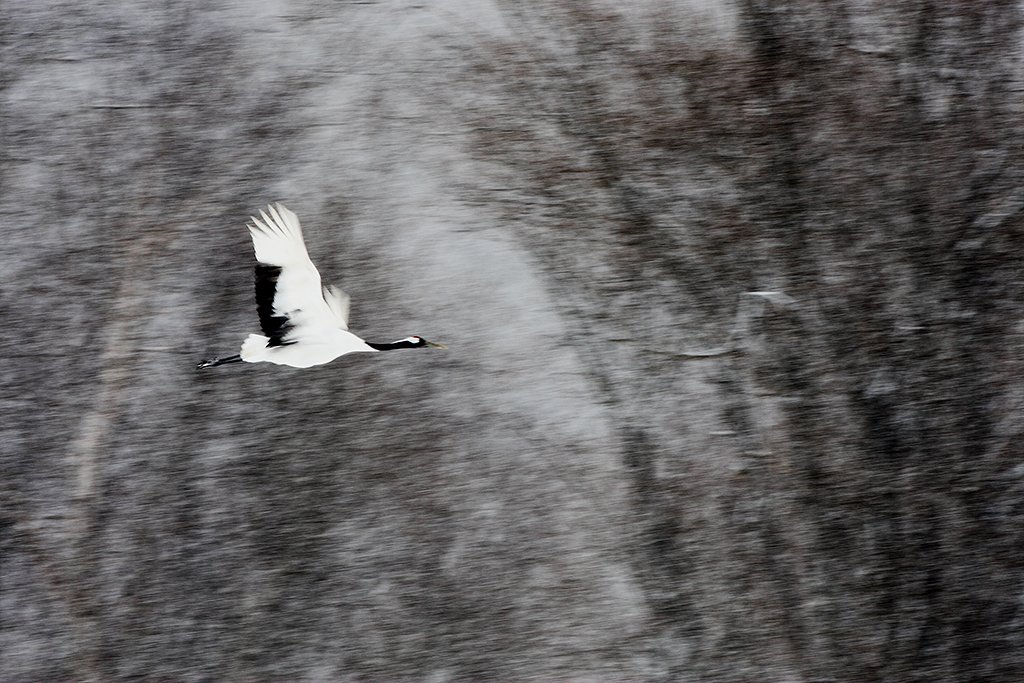
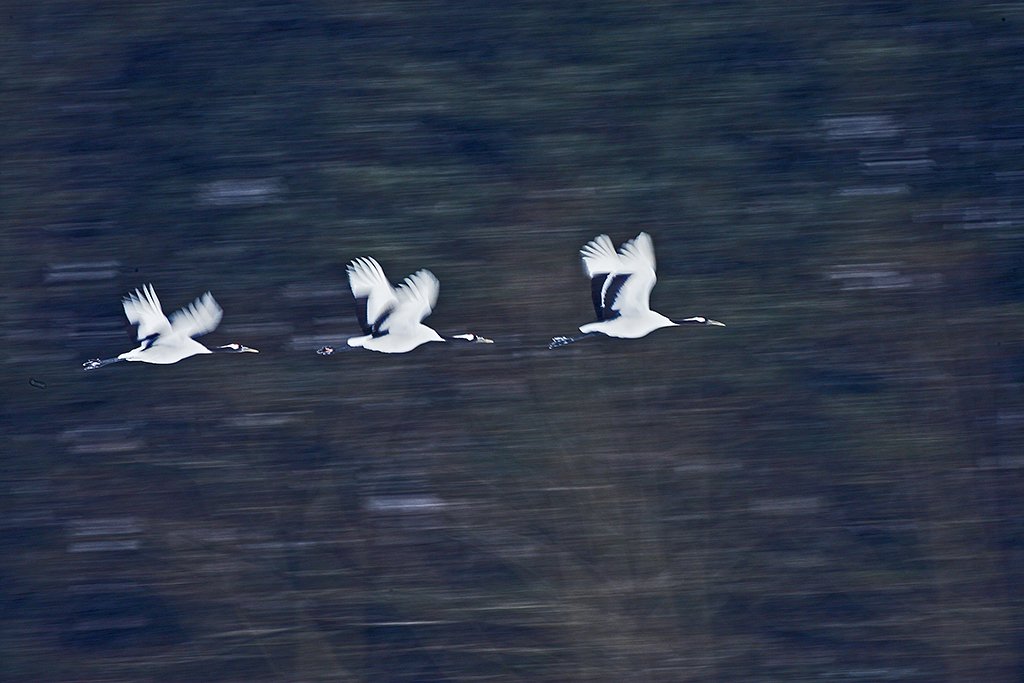
A few days later, we are on Hokkaido – the northernmost of the Japanese islands. Already at Kushiro airport, I see a large model of “Tancho” – the beautiful Japanese crane. There is no doubt that the Japanese crane holds great importance for the Japanese people. At one point, it was nearly extinct, with only a handful surviving near Kushiro. After some cranes were found starved in 1952, locals began feeding them grain. This practice continues each winter, and now the population numbers around 1,000 cranes on Hokkaido. Besides Japan, they also breed in China and Russia. The total global population is only around 2,700 individuals, so the species is still considered critically endangered.

At the Akan Crane Centre, it is full of photographers. It is almost like Hornborga Lake in Sweden – except here we can openly photograph the majestic cranes at 20–30 meters. On the feeding grounds, the birds dance and display their lively skills – just like European cranes. A flock of whooper swans also waddles around the area.

After two full days of crane photography, we continue north on Hokkaido. The next stop is Lake Kussharoka, with hot springs and beautifully snow-covered hills in the background. This is the great swan lake of Japan. Large numbers of swans come here from Siberia to overwinter, and like the crane, the swan has become an icon of winter Japan. In places where hot springs keep the ice away along the lakeshore, there are swan centers. Japanese locals come to feed hand-tame swans, just as we feed mute swans at home. This provides excellent opportunities for photography – wide-angle for birds in landscapes, and long lenses for details and action. Particularly exciting is early in the morning, when swans arrive flying individually or in small flocks. Here, we can capture stunning flight shots – and especially landing sequences on water and ice.

Steller’s Sea Eagle Paradise

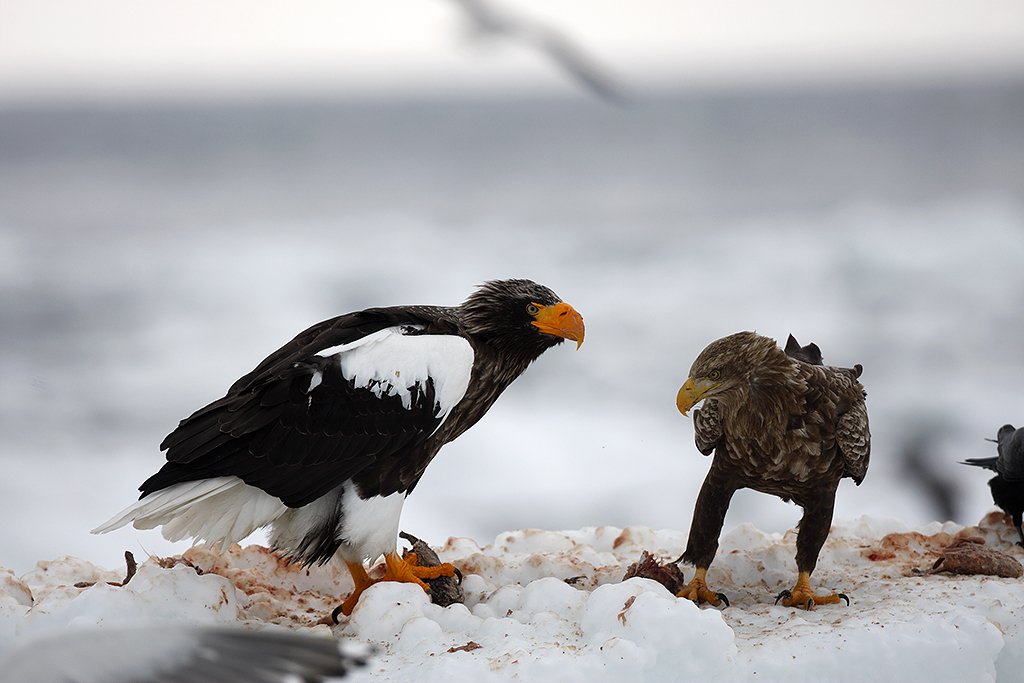
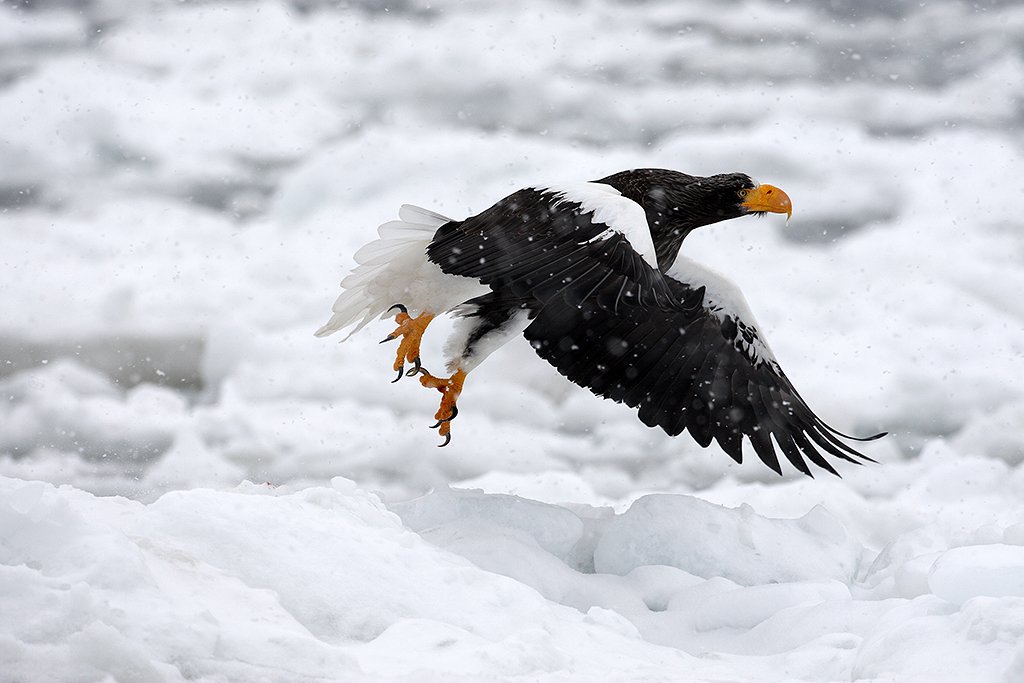
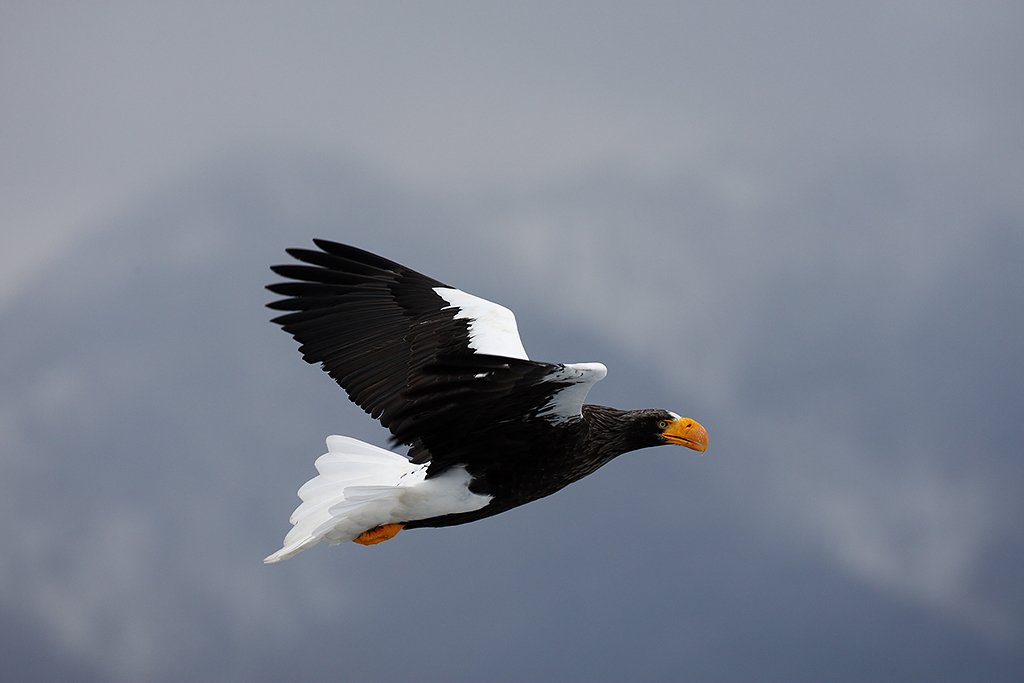
Rausu is Japan’s eagle capital. Our familiar white-tailed sea eagle is common here, but it is primarily the Steller’s sea eagle that attracts photographers – also known as the Steller eagle. Along the main street of this small town, a hill with tall trees is home to up to 50 eagles lined up side by side.

The main attraction for photographers, however, is photographing the Steller’s sea eagles on the drift ice in the strait between Hokkaido and the Russian island of Kunashir. This drift ice originates from the great Russian rivers and usually arrives at Hokkaido’s coast in February. Due to climate change, the ice arrives later each year, and for a long time it was uncertain whether there would even be drift ice during our visit. Fortunately, the ice arrived just a couple of days before our arrival, but it was still a distance offshore. After a few hours by boat, we locate the drift ice, and with buckets of fish, we lure the majestic eagles into photographic range.

In this area, there is also a spot where the large brown Blakiston’s fish owl arrives every evening to catch a fish or two. This occurs at a floodlit fish pond.

Photos in gallery: Tom Schandy
Day 0. February 2
Departure from Oslo.

Day 1. February 3
Arrival day in Tokyo. Transfer from the airport to Royal Park Hotel Haneda Airport.

The guide will meet us at the hotel at 18:30 and have dinner with us at 19:00.

Meals included: Dinner

Day 2. February 4
After breakfast at the hotel, we are transported to Tokyo Station by private minibus. We take the morning train to Nagano.
Kagayaki 507 Departure Tokyo 09:20 / Arrival Nagano 10:44

Upon arrival at Nagano Station, you will be transported by private minibus to our accommodation in Yudanaka Onsen, near Snow Monkey Park. This will take approximately 1 hour. Upon arrival at the hotel, you can leave your luggage at reception and visit Snow Monkey Park (an afternoon visit to Snow Monkey Park usually takes around 2 hours).

We will walk approximately 20–30 minutes along a mountain path from the parking lot at the base to reach Snow Monkey Park.

We will purchase a light lunch, for example a sandwich, at a nearby shop during transport and eat individually. There will be no time to sit down for a restaurant meal.

Return to the hotel via the hotel shuttle and check in.

Dinner at the hotel.

Overnight in Yudanaka Onsen: Issa-no-Komichi Biyunoyado (Japanese ryokan with shared hot springs)
Meals included: Breakfast and Dinner

Day 3. February 5
Breakfast at the hotel.
Full-day visit to Snow Monkey Park.

We can use the hotel shuttle between the hotel and the Snow Monkey Park parking lot.

We will purchase a light lunch, such as a sandwich, at a nearby shop and eat individually.

Dinner at the hotel.
Overnight in Yudanaka Onsen: Issa-no-Komichi Biyunoyado (Japanese ryokan with shared hot springs)

Meals included: Breakfast and Dinner

Day 4. February 6
After breakfast, we are transported to Nagano Station by private minibus and take a bullet train to Tokyo.
Kagayaki 506 Departure Nagano 10:14 / Arrival Tokyo 11:36

Upon arrival at Tokyo Station, transfer to Haneda Airport by private minibus.

Guiding service in Tokyo and Nagano ends here.

Flight to Kushiro, Hokkaido in the late afternoon.
ANA4773 Departure Tokyo, Haneda 16:15 Arrival Kushiro 17:50

Upon arrival, meet the guide and transfer to Tsurui Village by private minibus. This will take approximately 45 minutes.
No photography planned on this day.

Overnight in Tsurui Village: Hotel Green Park, Yumekobo or Hotel Taito
Meals included: Breakfast and Dinner

Day 5. February 7
Departure to Otowa Bridge is planned around 04:30 to photograph red-crowned cranes at their feeding area at dawn. After returning to the hotel for breakfast, the day continues with photography of cranes in and around Tsurui Village.

Overnight in Tsurui Village: Hotel Green Park or Yumekobo

Meals included: Breakfast and Dinner

Day 6. February 8
After breakfast, the morning is reserved for further photography of Japanese cranes in Tsurui Village.

Around 11:00, transfer to Lake Kussharo, approximately a one-hour drive.

The afternoon is reserved for photographing whooper swans at Lake Kussharo.

Overnight at Lake Kussharo: Kussharo Prince Hotel or Bettei Suikazura

Meals included: Breakfast and Dinner

Day 7. February 9
After breakfast, the morning is spent photographing around Lake Kussharo, including additional photography of whooper swans and scenic landscapes such as Lake Mashu and Mount Io. In the afternoon, transfer to Yoroushi Onsen. Overnight at a comfortable hot spring hotel, where Blakiston’s fish owls may appear in the yard at night.

Overnight in Yoroushi Onsen: Yuyado Daiichi (Japanese ryokan with shared hot spring bath)
Meals included: Breakfast and Dinner

Day 8. February 10
After breakfast, transfer to Nemuro. Stop for wildlife along the way, such as sika deer, red foxes, eagles, swans, ducks, etc.

Overnight in Nemuro: East Harbor Hotel
Meals included: Breakfast and Dinner

Day 9. February 11
After breakfast, spend the morning looking for eagles in the Nemuro area before continuing to Rausu in Shiretoko. On the way, visit Notsuke Peninsula to look for red foxes and sika deer.

In the evening, planned visit to a Blakiston’s fish owl hide from 17:00 to 22:00.

Dinner is not included. Please buy light snacks at a nearby shop to eat during your time at the photo hide.

Overnight in Rausu: Rausu Daiichi Hotel, Hotel Minenoyu, Shiretoko Serai or Live Max Sea Front
Meals included: Breakfast

Day 10. February 12
Departure from the hotel is planned around 05:00 for an early morning boat trip to photograph Steller’s sea eagles and white-tailed eagles. After returning to the hotel, breakfast is planned.

Around 11:00, the group departs for afternoon photography in the Rausu area.
In the evening, planned visit to the Blakiston’s fish owl hide from 17:00 to 22:00.

Dinner is not included. Please buy light snacks at a nearby shop to eat during your time at the photo hide.

Overnight in Rausu: Rausu Daiichi Hotel, Hotel Minenoyu, Shiretoko Serai or Live Max Sea Front
Meals included: Breakfast

Day 11. February 13
Departure from the hotel is planned around 05:00 for a second early morning boat trip to photograph Steller’s sea eagles and white-tailed eagles.
After breakfast, check out and transfer to Kushiro Airport.
Arrival at Kushiro Airport is expected around 13:30.
Guiding service ends upon arrival at the airport.

Domestic flight to Tokyo:
JAL-542 Departure Kushiro 15:15 Arrival Tokyo, Haneda 17:10

Upon arrival, walk to our hotel located in Haneda Airport Terminal 2 and check in. JAL542 arrives at Terminal 1, and the hotel is in Terminal 2, within walking distance.
No guiding service is offered after arrival at Haneda Airport.
Dinner at the hotel.
Overnight in Tokyo: Haneda Excel Hotel Tokyu

Meals included: Breakfast and Dinner

Day 12. February 14
Breakfast at the hotel. Check-out at 11:00. Departure home.

Meals included: Breakfast

Day 13. February 15
Return to Norway.

TIME: February 2 – February 15, 2028
NUMBER OF SPOTS: 10
PRICE: NOK 70,000 (subject to price and currency changes)

Payment terms:

  • Deposit of NOK 20,000 per participant upon registration.
  • The deposit is non-refundable except with a medical certificate. The remaining balance is due on October 1.

Included:
Domestic flights within Japan, hotels, transportation, boat trips, etc. Meals as stated in the program. Professional English-speaking driver/guide, Norwegian tour leader from Natur&Foto.

Not included:
Flights to and from Japan, tips for guides and camp staff, travel and cancellation insurance, personal expenses, meals and excursions not listed in the program.

Flights:
You can get round-trip flights Oslo–Tokyo for approximately NOK 10,000.

Equipment:
In Japan, you will need your full camera kit. For birds and mammals, 300–600 mm lenses are suitable; for landscapes and monkey photography, 24–70 mm and 70–200 mm or 100–400 mm lenses are recommended. A tripod can be useful, especially for crane photography.

Other gear:
Winter clothing, thermal underwear, winter jacket, gloves, hat, scarf, warm boots.

Tour leaders:
Tom Schandy (+47 95 97 91 95)
Registration

Fill out the form and we’ll get in touch!

Interesse opplevelse english

Other tours